If you are searching for the best data engineering courses in Port Harcourt, it is important to look beyond course titles and certificates. A useful data engineering program should teach you how to work with databases, SQL, Python, data pipelines, ETL/ELT processes, cloud platforms, and real-world data systems.
Data engineering focuses on building systems that collect, store, process, and deliver data for analytics, applications, and machine learning.
For learners in Port Harcourt and across Nigeria, choosing among the best data engineering courses in Port Harcourt should therefore involve looking at practical training, instructor support, projects, portfolio development, and career preparation.
This guide explains what to look for in data engineering courses in Port Harcourt, the technical skills to learn, project ideas to consider, and how to choose a program that matches your career goals.
What Is Data Engineering?
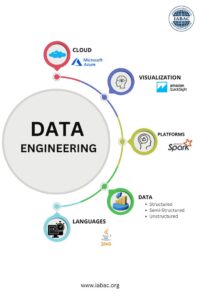
Data engineering involves designing and maintaining the systems that allow organizations to collect, store, transform and make data available for use.
A data engineer may work with databases, APIs, cloud platforms, data warehouses and automated pipelines. The resulting data can then be used by analysts, data scientists, business intelligence teams and machine learning systems.
In simple terms, think of data engineering as building the infrastructure that helps useful data move from its original source to the people and applications that need it.
For example:
Business applications → Data collection → Data pipeline → Transformation → Data warehouse → Analytics
Understanding this workflow is an important part of evaluating the best data engineering courses in Port Harcourt.
Why Are Data Engineering Courses Important in Port Harcourt?
Businesses increasingly depend on digital information for operations, reporting and decision-making.
Organizations may generate data from:
- Websites
- Mobile applications
- Customer transactions
- Financial systems
- Business management software
- Sensors and connected devices
- Online platforms
- Internal databases
As these sources grow, organizations need systems that can collect, organize and process information reliably.
This creates opportunities for people who develop practical data engineering skills.
For learners in Port Harcourt, studying data engineering can also provide skills that are useful beyond the local technology market. Many data engineering tools and concepts are used across international technology organizations and remote teams.
What Makes the Best Data Engineering Courses in Port Harcourt?
The phrase best data engineering courses in Port Harcourt can mean different things to different learners.
Instead of choosing a course based only on advertising claims, examine what the program actually teaches and what you will be able to build after completing it.
Here are important factors to consider.
1. SQL Training
SQL is a fundamental skill for working with relational databases and many modern data platforms.
A good data engineering course should cover:
- SELECT statements
- Filtering
- Sorting
- Aggregation
- Joins
- Subqueries
- Common table expressions
- Window functions
- Database relationships
- Query optimization
Students should ideally apply SQL to realistic datasets rather than only completing simple syntax exercises.
2. Python for Data Engineering
Python is widely used for automation, data processing and building data workflows.
A practical course can introduce:
- Python fundamentals
- Functions
- Data structures
- File processing
- APIs
- Error handling
- Automation
- Database connections
- Data transformation
The objective is not simply to learn Python. It is to understand how Python can solve data engineering problems.
3. Databases
Database knowledge is essential for data engineers.
A course should introduce concepts such as:
- Relational databases
- Tables
- Keys
- Relationships
- Indexes
- Schemas
- Database design
- NoSQL concepts
- Data warehouses
- Data lakes
Learners should understand not only how to query data but also how data can be organized and stored efficiently.
4. ETL and ELT
ETL means Extract, Transform and Load.
For example:
- Extract customer information from a source.
- Transform and clean the information.
- Load the result into a target database or warehouse.
ELT changes the order by loading the data before performing transformations.
Understanding ETL and ELT is an important part of modern data engineering education. IBM also identifies ETL and ELT as important approaches to data integration.
5. Data Pipelines
Data pipelines automate the movement of information between systems.
For example:
Sales system → Extraction → Transformation → Data warehouse → Business dashboard
Learners should understand how pipelines are created, scheduled, monitored and maintained.
6. Cloud Data Engineering
Modern data systems frequently use cloud infrastructure.
Depending on the program, learners may encounter:
- Amazon Web Services
- Microsoft Azure
- Google Cloud
- Cloud storage
- Cloud databases
- Cloud data warehouses
- Compute services
- Identity and access management
A good beginner course does not necessarily need to teach every cloud provider. Understanding the fundamental concepts is more important.
Best Data Engineering Courses in Port Harcourt for Beginners
If you are completely new to data engineering, avoid choosing a program simply because it advertises advanced technologies.
A beginner-friendly pathway should progress logically.
1. Programming
Start with Python fundamentals and programming logic.
2. SQL
Learn how to query and manipulate structured data.
3. Databases
Understand how relational databases store and organize information.
4. Data Transformation
Learn how raw information can be cleaned and transformed.
5. ETL and Data Pipelines
Build simple workflows that move information between systems.
6. Data Warehousing
Learn how organizations organize data for analytics.
7. Cloud
Explore cloud-based data infrastructure.
8. Portfolio Projects
Combine your skills in realistic projects.
This progression can make the learning experience easier to manage than trying to master every advanced data technology immediately.
Best Data Engineering Courses in Port Harcourt for Professionals
Professionals may require a different learning path.
For example, someone who already works as a data analyst may have strong SQL and visualization skills but need more experience with:
- Python
- Data pipelines
- Cloud platforms
- Data warehouses
- Workflow orchestration
- Data architecture
A software developer may already understand Python or another programming language but need deeper knowledge of databases, distributed processing and data infrastructure.
Before selecting among the best data engineering courses in Port Harcourt, identify the skills you already possess and the skills you need to develop.
Important Data Engineering Tools to Learn
Different organizations use different technology stacks, but learners should understand the purpose of major categories of data engineering tools.
| Area | Technologies to Explore |
|---|---|
| Programming | Python |
| Querying | SQL |
| Databases | PostgreSQL, MySQL |
| Data processing | Pandas, PySpark |
| Big data | Apache Spark |
| Workflow orchestration | Apache Airflow |
| Version control | Git and GitHub |
| Containers | Docker |
| Cloud | AWS, Azure, Google Cloud |
| Warehousing | BigQuery, Snowflake, Redshift |
| Transformation | dbt |
| Streaming | Apache Kafka |
Do not choose a course simply because it lists many technologies. The important question is whether learners actually understand how these tools fit into a working data system.
Practical Data Engineering Projects to Look For
One of the best ways to evaluate the best data engineering courses in Port Harcourt is to examine the projects included in the curriculum.
Nigerian Sales Data Pipeline
A learner could build a pipeline that collects sales records, validates the information, transforms it and stores the results in a database.
E-Commerce Data Warehouse
A project could contain:
- Customers
- Products
- Orders
- Payments
- Deliveries
The learner could then design the database and write SQL queries for analysis.
API Data Pipeline
Students could retrieve data from an API, process it with Python and load it into a database.
Automated ETL Project
A more advanced project could automatically:
- Collect data.
- Validate the data.
- Clean the data.
- Transform the data.
- Store the data.
- Record errors.
- Run on a schedule.
These projects can demonstrate practical competence more clearly than a certificate alone.
Data Engineering Certification vs Practical Skills
Certification can be useful, but completing a course does not automatically mean someone can design and maintain a production data system.
When comparing the best data engineering courses in Port Harcourt, examine whether students receive practical experience with:
- SQL
- Python
- Databases
- ETL/ELT
- Data pipelines
- Cloud technologies
- Version control
- Data modeling
- Real-world projects
A portfolio can provide tangible evidence of what you have learned.
How Potenmunia Tech School Approaches Data Engineering Training
Potenmunia Tech School provides practical technology training in Port Harcourt with an emphasis on applying technical concepts through hands-on learning.
For learners studying data engineering, practical sessions can help connect concepts such as SQL, Python, databases and data pipelines to actual projects.
One feature of Potenmunia’s approach is one-on-one learning with a dedicated personal instructor. This gives learners an opportunity to receive individualized feedback instead of relying entirely on a one-size-fits-all classroom approach.
The learning approach can also incorporate:
- Practical projects
- Portfolio development
- Mentorship
- Interview preparation
- CV support
- Job application guidance
- AI and emerging technology exposure
This is particularly relevant for learners who want their data engineering education to lead toward practical career preparation rather than focusing exclusively on completing a syllabus.
How to Choose Among the Best Data Engineering Courses in Port Harcourt
Before enrolling, use this checklist.
Curriculum
Check whether the program covers:
- Python
- SQL
- Databases
- Data modeling
- ETL/ELT
- Data pipelines
- Data warehousing
- Cloud fundamentals
Practical Learning
Ask:
- Are projects included?
- Will I build a portfolio?
- Are exercises based on realistic problems?
- Will I work with actual datasets?
Instructor Support
Consider:
- How much feedback do learners receive?
- Is one-on-one support available?
- Can the instructor explain difficult technical concepts?
- Is mentorship part of the learning experience?
Career Preparation
Look for:
- Interview preparation
- CV development
- Portfolio guidance
- Job application support
- Career mentorship
Learning Format
Compare whether you prefer:
- One-on-one learning
- Cohort learning
- A combination of both
- Flexible or structured sessions
The right choice should match your current experience and career objectives.
Data Engineering Career Opportunities
Learning data engineering can prepare students for different technology roles.
Data Engineer
Data engineers build and maintain systems that collect, transform, store and deliver data.
Cloud Data Engineer
Cloud data engineers work with cloud infrastructure and data services.
Analytics Engineer
Analytics engineers often work between data engineering and analytics, transforming raw data into reliable datasets for analysis.
Big Data Engineer
Big data engineers work with systems designed to process large volumes of information.
Data Platform Engineer
Data platform engineers can work on infrastructure that supports data teams and applications.
Job responsibilities differ between organizations, so learners should examine individual job descriptions when planning their career.
Data Engineering vs Data Analytics
Data engineering and data analytics are closely connected but have different primary responsibilities.
Data engineering focuses heavily on building the systems and pipelines that make data available.
Data analytics focuses on examining data to identify patterns, answer questions and support decisions.
For example, a data engineer might build a pipeline that moves sales data into a warehouse.
A data analyst might then use that prepared dataset to investigate sales performance.
Understanding this difference can help learners decide whether data engineering matches their interests.
Data Engineering and Artificial Intelligence
Data engineering is also closely connected to artificial intelligence.
AI systems require data that can be collected, processed, stored and made available to downstream systems. Data engineers can contribute by building pipelines, preparing datasets and maintaining infrastructure.
For learners interested in AI, studying data engineering can therefore provide useful foundational knowledge.
A Data Engineering Learning Roadmap
If you want to learn data engineering in Port Harcourt, consider the following progression:
Step 1: Learn Python.
Step 2: Develop strong SQL skills.
Step 3: Learn relational databases.
Step 4: Study data modeling.
Step 5: Learn data cleaning and transformation.
Step 6: Build ETL and ELT workflows.
Step 7: Build data pipelines.
Step 8: Learn Git and version control.
Step 9: Study data warehousing.
Step 10: Learn cloud data engineering fundamentals.
Step 11: Build several portfolio projects.
Step 12: Practice technical interviews and project explanations.
This roadmap can be adjusted according to your existing knowledge.
Common Mistakes When Choosing Data Engineering Courses
Choosing Based Only on the Certificate
A certificate can document course completion, but practical ability still matters.
Learning Too Many Tools at Once
Focus on understanding core concepts before adding more technologies.
Ignoring SQL
SQL is an important part of working with databases and data platforms.
Avoiding Projects
Projects allow learners to combine multiple technical skills.
Skipping Programming Fundamentals
A strong programming foundation can make more advanced automation and pipeline work easier to understand.
Not Building a Portfolio
A portfolio gives employers and potential clients something concrete to evaluate.
How Much Do Data Engineering Courses in Port Harcourt Cost?
Course fees can vary significantly depending on the training format, duration, curriculum, instructor support and facilities provided.
Rather than choosing a program based exclusively on price, compare what is included.
Ask whether the fee covers:
- Practical sessions
- Instructor support
- Projects
- Mentorship
- Portfolio development
- Interview preparation
- Learning resources
- Career support
This gives you a more meaningful basis for comparing best data engineering courses in Port Harcourt.
How Long Does It Take to Learn Data Engineering?
There is no single timeframe that applies to everyone.
A beginner needs time to develop programming, SQL and database fundamentals before moving into more advanced areas.
Someone with an existing background in software development, analytics or databases may progress through some topics more quickly.
The more useful question is:
What practical skills and projects will I have completed by the end of the program?
This shifts attention from simply completing a course to developing actual competence.
Conclusion on the Best Data Engineering Courses in Port Harcourt
Choosing among the best data engineering courses in Port Harcourt should involve more than looking at certificates, advertisements or lists of technologies.
Look for a program that develops practical knowledge of Python, SQL, databases, data modeling, ETL/ELT, pipelines, data warehouses and cloud technologies.
Also consider whether learners receive individualized instruction, mentorship, practical projects, portfolio support and career preparation.
For anyone interested in understanding the broader discipline, Wikipedia’s overview of data engineering provides additional background, while technical resources from established technology organizations can help you explore individual tools and concepts.
The most valuable outcome of your training should be the ability to explain what you have learned and demonstrate what you can build.
If you are exploring data engineering training in Port Harcourt, take time to compare curricula, practical projects, instructor support and career-development opportunities before choosing a program.
Frequently Asked Questions
What are the best data engineering courses in Port Harcourt?
The right course depends on your experience and career goals. Look for practical training covering Python, SQL, databases, ETL/ELT, data pipelines, data warehousing and cloud technologies.
Can beginners take data engineering courses in Port Harcourt?
Yes. Beginners can start with Python, SQL and database fundamentals before progressing into data pipelines, warehousing and cloud technologies.
What should I learn before data engineering?
Basic programming and database concepts are helpful. Beginners can start with Python and SQL and gradually move into more specialized data engineering topics.
Is Python important for data engineering?
Yes. Python is commonly used for automation, data processing, APIs and pipeline development.
Is SQL necessary for data engineering?
SQL is an important skill because data engineers frequently work with relational databases, warehouses and systems that support SQL querying.
Can I learn data engineering without a computer science degree?
A computer science degree can provide useful foundations, but learners can also develop data engineering skills through structured training, practical projects and consistent technical practice.
What projects should I build as a beginner data engineer?
Good beginner projects include ETL pipelines, API-to-database workflows, sales data pipelines, data warehouses and automated data-processing systems.
Is data engineering useful for AI?
Yes. Data engineering helps provide the infrastructure and data workflows needed by analytics, machine learning and AI systems.
Where can I study data engineering in Port Harcourt?
When evaluating data engineering training in Port Harcourt, compare the curriculum, practical projects, instructor support, mentorship, portfolio development and career preparation offered by each institution.
Are data engineering courses useful for remote careers?
The technical skills used in data engineering are applicable across many organizations and technology environments, including teams that operate remotely. However, individual job requirements vary.