Choosing the right project management school in Port Harcourt can make a significant difference in how effectively you develop practical project management skills. Whether you are a beginner, working professional, entrepreneur, graduate, or technology professional, project management training can help you understand how to plan, organize, execute, monitor, and complete projects successfully.
A good project management school in Port Harcourt should provide more than classroom theory. Learners should have opportunities to practice project planning, scheduling, risk management, stakeholder communication, resource allocation, reporting, and other activities involved in managing projects.
Project management is generally concerned with leading work toward defined objectives while managing constraints such as scope, time, and budget. Projects are typically temporary activities designed to produce a specific product, service, or result.
For additional background on the subject, readers can explore Wikipedia’s Project Management overview.
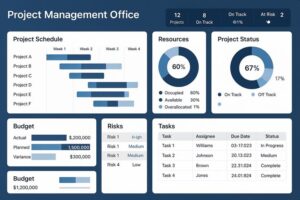
What Is a Project Management School?
A project management school is an educational institution or training provider that teaches people the knowledge and practical skills required to plan, coordinate, execute, monitor, and close projects.
A project management program may cover areas such as:
- Project planning
- Project scope management
- Project scheduling
- Resource management
- Budget management
- Risk management
- Stakeholder management
- Team coordination
- Communication
- Project monitoring
- Project documentation
- Project reporting
- Project closure
When searching for a project management school in Port Harcourt, it is important to look beyond the name of the course. Two schools may offer courses with similar titles but provide very different learning experiences.
One may focus mainly on lectures and examinations, while another may allow learners to create project plans, manage simulated projects, prepare project reports, identify risks, and work through realistic business scenarios.
Why Choose a Project Management School in Port Harcourt?
Port Harcourt has a diverse professional and business environment. Organizations in technology, construction, engineering, oil and gas, logistics, finance, healthcare, education, telecommunications, consulting, and other industries regularly work on projects.
This creates opportunities for people with project coordination and management skills.
For example, a company may need to:
- Launch a new website
- Implement new business software
- Open a new office
- Develop a technology product
- Organize an event
- Introduce a new service
- Upgrade its internal systems
- Complete a construction project
- Improve an operational process
Each of these activities can involve objectives, deadlines, resources, stakeholders, risks, deliverables, and budgets.
A project management school in Port Harcourt can help learners develop the knowledge needed to understand and coordinate these activities.
What Should You Look for in a Project Management School in Port Harcourt?
Choosing a project management school in Port Harcourt should involve careful consideration of the school’s curriculum, instructors, practical training, learning structure, career support, and expected outcomes.
1. Practical Project Management Training
One of the first things to investigate is how much practical work is included.
Project management is not simply about memorizing definitions. Learners should have opportunities to apply what they study.
A practical project management school in Port Harcourt may give learners exercises involving:
- Creating project plans
- Developing schedules
- Defining project deliverables
- Creating work breakdown structures
- Identifying project risks
- Preparing stakeholder lists
- Creating status reports
- Monitoring project milestones
- Managing project changes
These activities can make it easier for learners to understand how project management concepts work in real situations.
2. Qualified and Supportive Instructors
The instructor can have a major influence on the learning experience.
When researching a project management school in Port Harcourt, consider whether instructors explain concepts clearly, provide feedback, answer questions, and connect theory to practical situations.
Project management involves decision-making, communication, organization, and problem-solving. These skills are often easier to develop when learners receive useful feedback while practicing.
3. One-on-One Learning
Some students learn more effectively when they can receive individualized attention.
Potenmunia Tech School uses a learning approach that includes a dedicated personal instructor for learners who choose its one-on-one training path.
This structure allows the instructor to provide personalized guidance, answer questions, review practical work, and adjust explanations to the learner’s progress.
For someone looking for a project management school in Port Harcourt, individualized instruction can be particularly useful when learning concepts that initially seem complicated.
4. Cohort-Based Learning
Not every learner wants one-on-one instruction.
Some people prefer learning alongside other students because group environments can provide opportunities for discussion, collaboration, and shared problem-solving.
A flexible project management school in Port Harcourt can therefore provide different learning options depending on the learner’s needs.
5. Real-World Project Experience
One important question to ask any project management school in Port Harcourt is:
Will I actually manage or work through a project during training?
Practical project experience can help learners understand how individual project management activities connect.
For example, a learner could be asked to plan a hypothetical technology project from beginning to completion.
They might need to:
- Define the project objective.
- Identify stakeholders.
- Determine project deliverables.
- Break the project into tasks.
- Develop a schedule.
- Identify risks.
- Allocate resources.
- Monitor progress.
- Prepare project reports.
- Complete project closure documentation.
This type of exercise can provide a much clearer understanding of project management than reading definitions alone.
What Do You Learn at a Project Management School?
The exact curriculum varies between schools, but a comprehensive program may introduce learners to several important areas.
Project Initiation
Project initiation is where the project is formally defined.
Learners may study:
- Project objectives
- Business needs
- Project requirements
- Stakeholders
- Project feasibility
- Initial project documentation
Project Planning
Planning establishes how the project will be executed.
Students may learn about:
- Scope
- Deliverables
- Activities
- Milestones
- Resources
- Timelines
- Communication
- Risks
Planning is one of the areas where practical exercises are particularly valuable.
Work Breakdown Structure
A work breakdown structure helps divide a project into smaller and more manageable components.
For example, a website development project might be divided into:
Website Project
- Research
- Requirements
- Design
- Content
- Development
- Testing
- Launch
- Maintenance
Breaking a large objective into smaller components can make it easier to organize responsibilities and monitor progress.
Project Scheduling
Project managers need to understand when activities should happen and how different tasks depend on one another.
A project schedule can identify:
- Tasks
- Start dates
- End dates
- Dependencies
- Milestones
- Responsible team members
Risk Management
Projects can encounter unexpected problems.
A project management school in Port Harcourt should ideally teach learners how to identify, analyze, monitor, and respond to project risks.
For example:
| Risk | Possible Effect | Response |
|---|---|---|
| Supplier delay | Project delay | Identify alternative suppliers |
| Staff absence | Reduced productivity | Prepare backup resources |
| Requirement changes | Additional work | Use change-control procedures |
| Technical problems | Delivery delays | Plan testing and technical support |
Stakeholder Management
Projects involve people with different interests and expectations.
Stakeholders can include:
- Clients
- Managers
- Employees
- Contractors
- Vendors
- Customers
- Government agencies
- Project sponsors
Project managers need to communicate appropriately with these groups throughout the project.
Project Monitoring
A project plan is not enough.
Teams must continually monitor progress to determine whether work is proceeding according to expectations.
Learners may practice creating:
- Project status reports
- Progress trackers
- Milestone reports
- Risk registers
- Action lists
- Project dashboards
Who Should Attend a Project Management School in Port Harcourt?
Project management training is not limited to people who already have the title “Project Manager.”
Students and Graduates
Students and graduates can use project management training to develop professional skills before entering the workplace.
Working Professionals
Professionals who already participate in projects can strengthen their planning, coordination, communication, and reporting abilities.
Entrepreneurs
Business owners manage projects regularly.
Launching a product, opening a new location, creating a website, introducing software, or organizing a major marketing campaign can all involve project management.
Technology Professionals
Software developers, data analysts, designers, cybersecurity professionals, and other technology workers often contribute to projects.
Understanding project management can help technical professionals communicate more effectively with project managers and other stakeholders.
Career Changers
People moving from another career into project coordination or project management can use structured training to build foundational knowledge.
Project Management School in Port Harcourt for Beginners
If you are completely new to project management, look for a project management school in Port Harcourt that starts with fundamentals rather than assuming you already understand professional terminology.
A beginner-friendly program should gradually introduce concepts such as:
- What a project management is
- What a project manager does
- Project lifecycle
- Project scope
- Project objectives
- Scheduling
- Risk management
- Stakeholder management
- Team communication
- Project documentation
After learning the fundamentals, students should have opportunities to apply them.
For example, a beginner could create a simple plan for launching a small business website.
This can demonstrate how project management concepts connect to everyday business activities.
Project Management School in Port Harcourt for Professionals
Professionals may have different needs from beginners.
Someone already working in operations, technology, administration, construction, or business may want to improve specific skills.
A professional-focused project management school in Port Harcourt may help learners strengthen areas such as:
- Project planning
- Team coordination
- Risk management
- Stakeholder communication
- Reporting
- Resource management
- Project documentation
- Leadership
- Problem-solving
Professionals can also use practical project exercises to identify gaps in their current knowledge.
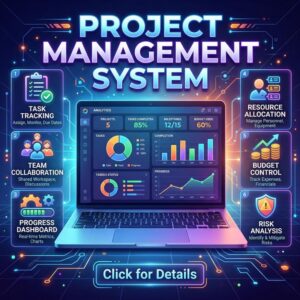
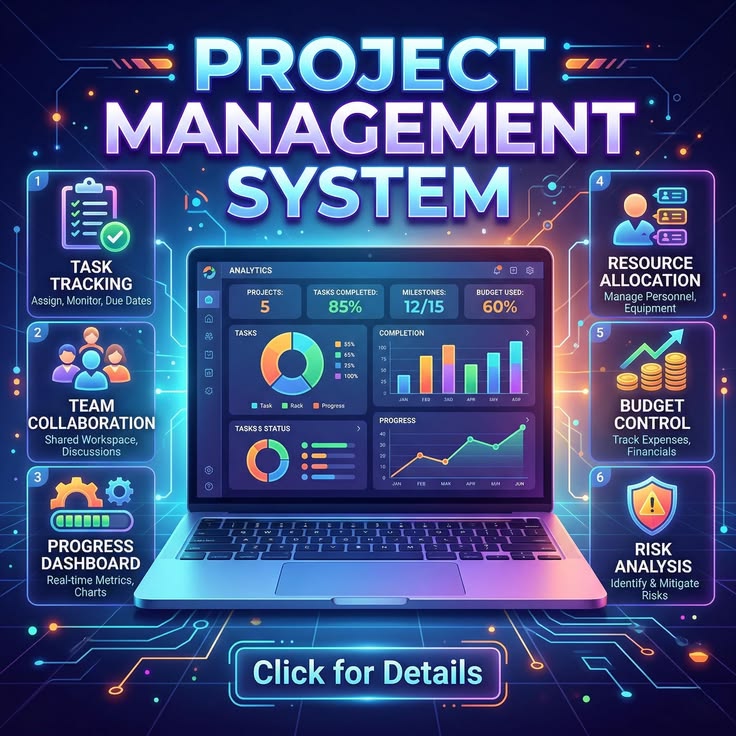
Project Management Training and Technology
Technology has changed how many teams organize and manage projects.
Modern project teams may use digital platforms for:
- Task management
- Collaboration
- Scheduling
- Documentation
- Communication
- Reporting
- File management
- Progress tracking
However, learning software alone does not make someone a project manager.
A learner should first understand project management principles and then learn how digital tools can support those principles.
A practical project management school in Port Harcourt can combine both areas by teaching concepts alongside realistic project exercises.
How Potenmunia Tech School Approaches Project Management and Why Choose Potenmunia Tech School.
1. Practical, Hands-On Learning
We emphasize learning by doing, helping students apply concepts through exercises, assignments, and real-world projects.
2. Personalized One-on-One Training
Learners who choose our one-on-one option receive dedicated instructor support, individualized guidance, and feedback tailored to their learning needs.
3. Industry-Relevant Skills
Our training focuses on practical competencies, tools, and techniques that learners can apply to workplace tasks and professional projects.
4. Project-Based Experience
Students develop practical outputs that demonstrate their understanding, such as project plans, schedules, risk registers, data reports, portfolios, and other program-specific deliverables.
5. Career Readiness and Professional Development
We support learners in preparing for professional opportunities through CV development, portfolio building, interview preparation, job application guidance, and mentorship, depending on their program.
6. Flexible Learning Support
Our approach accommodates different learning needs, helping students build confidence, strengthen their understanding, and progress toward their learning goals.
7. Experienced, Guided Instruction
We provide structured learning with instructor guidance, practical demonstrations, feedback, and support throughout the training process.
8. Multiple Technology and Professional Development Pathways
Learners can explore programs in Data Analytics, Data Science, Artificial Intelligence, Cybersecurity, Software Development, Project Management, Digital Marketing, UI/UX Design, Cloud Computing, DevOps, and Administrative Skills.
9. Deliverable-Focused Training
We emphasize what learners can actually produce and demonstrate after training, not just the topics they have covered.
10. Learning With a Clear Purpose
Our goal is to bridge the gap between learning and application by helping students build useful skills, practical experience, professional confidence, and a stronger foundation for future opportunities.
Potenmunia Tech School — Learn Practically. Build Real Skills. Prepare for Opportunities.
What Can You Build During Project Management Training?
A strong practical program can allow learners to create a portfolio of project management documents.
Examples include:
Project Charter
A document that defines the project’s purpose, objectives, major stakeholders, and general direction.
Project Plan
A structured document explaining how the project will be executed and monitored.
Work Breakdown Structure
A breakdown of project deliverables and activities into manageable components.
Project Schedule
A timeline showing project activities, milestones, dependencies, and deadlines.
Risk Register
A document recording identified risks, their potential effects, and planned responses.
Stakeholder Register
A list of important stakeholders and information about their interests, influence, and involvement.
Status Report
A report communicating project progress, challenges, risks, completed work, and upcoming activities.
These examples can give learners practical evidence of their capabilities when preparing for professional opportunities.
Career Opportunities After Project Management Training
Completing a project management course does not automatically guarantee employment, but the skills can support several career paths.
Potential roles include:
- Project Coordinator
- Project Assistant
- Project Manager
- Project Administrator
- Operations Coordinator
- Implementation Specialist
- Program Coordinator
- Business Operations Associate
- Technology Project Coordinator
Requirements vary between employers.
Some positions may require degrees, professional certifications, industry experience, technical knowledge, or previous project experience.
This is why choosing a project management school in Port Harcourt should be part of a broader career-development plan.
Important Skills to Develop at a Project Management School
Communication
Project managers need to communicate information clearly to different groups.
Organization
Projects involve multiple activities, documents, deadlines, and people.
Problem-Solving
Unexpected issues are common in projects, making problem-solving an important professional skill.
Leadership
Project managers often coordinate people from different departments and backgrounds.
Time Management
Understanding deadlines, priorities, and task dependencies is important for project delivery.
Adaptability
Project requirements can change. Project professionals need to respond while keeping project objectives in view.
Documentation
Good documentation helps teams understand decisions, responsibilities, requirements, risks, and progress.
A Practical Project Management Example in Port Harcourt
Imagine a Port Harcourt business wants to launch an online customer portal.
The project team could include:
- Project manager
- UI/UX designer
- Software developer
- Content specialist
- Business representative
- Tester
The project manager would help coordinate the work.
The first step could be defining the objectives.
Next, the team could identify the required features and divide the work into manageable activities.
A basic schedule might look like:
Week 1: Requirements and planning
Week 2: User experience and interface design
Weeks 3–5: Development
Week 6: Testing
Week 7: Corrections and client review
Week 8: Launch
The project manager would also need to consider risks, stakeholder communication, resources, deadlines, and changes to requirements.
This type of scenario can be used by a project management school in Port Harcourt to help learners understand how project management principles apply to technology projects.
How Long Does Project Management Training Take?
The duration depends on the training provider, curriculum, learning format, and student’s existing knowledge.
A short introductory program may focus on fundamental concepts.
A more comprehensive program can include:
- Fundamentals
- Practical exercises
- Project documentation
- Digital tools
- Real-world scenarios
- Portfolio development
- Interview preparation
- Career support
Learning does not stop when a course ends.
Professional project management skills develop further through continued practice and workplace experience.
How to Compare Project Management Schools in Port Harcourt
Before selecting a project management school in Port Harcourt, consider asking these questions:
Curriculum
Does the curriculum cover the major areas of project management?
Practical Work
Will you actually complete project exercises?
Instructor Support
Can you ask questions and receive feedback?
Learning Format
Does the school offer one-on-one or cohort learning?
Portfolio
Will you produce practical project documents that demonstrate your skills?
Career Support
Does the school provide CV, interview, mentorship, or job application support?
Industry Relevance
Are the examples and projects connected to real workplace situations?
Future Skills
Does the program expose learners to relevant digital tools and emerging technology?
These questions can help you make a more informed decision.
Frequently Asked Questions About Project Management Schools in Port Harcourt
Which project management school in Port Harcourt should I choose?
Consider the curriculum, practical learning, instructor support, learning format, project experience, mentorship, and career-development services before making your choice.
Can I attend a project management school in Port Harcourt as a beginner?
Yes. Many project management programs can start with fundamental concepts, making the field accessible to people who have not previously worked as project managers.
Is project management useful in Nigeria?
Project management skills can be applied across many industries in Nigeria, including technology, construction, engineering, logistics, finance, consulting, healthcare, education, and business operations.
Can project management training help technology professionals?
Yes. Technology projects require planning, coordination, deadlines, stakeholder communication, resource management, and monitoring.
Do I need a university degree before studying project management?
Not necessarily. Entry requirements depend on the particular training provider and program. Employers may have separate requirements for specific jobs.
Is certification necessary for a project management career?
Certification can be useful for some career paths, but it is not the only factor employers consider. Practical experience, communication, organizational ability, relevant education, and demonstrated project skills can also matter.
What should I expect from a practical project management school?
You should look for opportunities to apply concepts through realistic exercises, project documentation, planning activities, risk scenarios, team exercises, and project simulations.
Can entrepreneurs benefit from project management training?
Yes. Entrepreneurs regularly manage activities with defined objectives, timelines, resources, deliverables, and stakeholders.
Conclusion
Finding the right project management school in Port Harcourt involves looking beyond course titles and certificates.
A useful training experience should help you understand project management concepts and apply them to realistic situations.
When comparing a project management school in Port Harcourt, consider practical training, instructor support, mentorship, project experience, learning format, portfolio development, interview preparation, and career guidance.
For beginners, the priority may be building a strong foundation. For professionals, the focus may be improving existing project coordination and leadership skills.
Potenmunia Tech School takes a practical approach to technology education, combining hands-on learning, individualized instruction options, mentorship, project work, and career-readiness support.
If you are researching project management schools in Port Harcourt, take time to compare what each program actually provides and consider the skills and practical outcomes you want to achieve.
You can also explore Wikipedia’s project management resource for additional general background before beginning your learning journey.