If you are searching for Project Management Training Programs in Nigeria in 2026, there are several learning paths to consider depending on your experience, career goals, and preferred learning style.
Project management is relevant across technology, construction, energy, finance, consulting, telecommunications, education, healthcare, marketing, and entrepreneurship. A well-designed Project Management Training Program can help learners develop the ability to plan projects, organize resources, coordinate teams, manage risks, monitor progress and deliver defined outcomes.
However, not all Project Management Training Programs have the same purpose. Some are designed for beginners, while others focus on Agile methodologies, Scrum, project planning, digital tools, or professional certification preparation.
This guide explains seven Project Management Training Programs worth considering in Nigeria and the key factors to examine before choosing one.
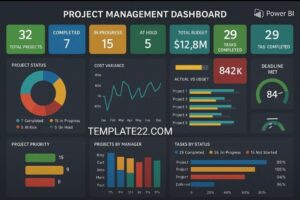
What Are Project Management Training Programs?
Project Management Training Programs are structured courses designed to teach the knowledge, skills, methods and tools used to manage projects.
A project normally has a defined objective, scope, timeline and resources. Project management provides a structured approach to organizing the work required to achieve that objective.
For example, a Nigerian technology company developing a new mobile application may need to coordinate developers, designers, testers, marketers and business stakeholders.
A project manager or project coordinator may need to determine:
- What needs to be completed
- Who is responsible for each activity
- When tasks should be completed
- What resources are required
- What risks could affect delivery
- How progress will be measured
- How stakeholders will receive updates
Good Project Management Training Programs teach learners how to approach these responsibilities systematically.
For general background and additional reading, you can explore Wikipedia.
Why Project Management Training Programs Matter in Nigeria
Organizations in Nigeria regularly undertake projects.
A company may launch a website, introduce new software, construct a facility, organize a marketing campaign, develop a product or implement a new business process.
Without proper coordination, projects can experience delays, unclear responsibilities, resource problems and communication gaps.
This is why Project Management Training Programs can be valuable for professionals across different industries.
Project management skills can also complement another professional specialization.
For example:
- A data analyst may participate in analytics projects.
- A software developer may work on application development projects.
- A marketing professional may coordinate campaigns.
- An entrepreneur may manage the development of a new product.
- An administrator may coordinate an organizational project.
Learning project management can therefore provide useful skills beyond the traditional project manager job title.
Project Management Training Programs to Consider in 2026
Different Project Management Training Programs address different learning needs. The following seven categories can help learners identify the type of training that matches their goals.
1. Project Management Fundamentals Training Programs
Project management fundamentals are a logical starting point for beginners.
These Project Management Training Programs introduce the core principles of project delivery without assuming that learners already have extensive professional experience.
A fundamentals program may cover:
- Project concepts
- Project objectives
- Project life cycles
- Project initiation
- Project planning
- Project scope
- Scheduling
- Resource management
- Risk management
- Stakeholder management
- Communication
- Project monitoring
- Project closure
A beginner could apply these concepts to a simple practical exercise.
For example, imagine that a small company wants to launch a new website. A learner could create a project plan covering requirements gathering, design, development, testing, content preparation and launch.
This type of exercise helps learners understand how project management concepts work in practice.
2. Agile Project Management Training Programs
Agile project management is another important area when evaluating Project Management Training Programs.
Agile approaches emphasize adaptability, collaboration, iterative work and continuous feedback.
Agile Project Management Training Programs may introduce concepts such as:
- Iterative development
- Backlogs
- Sprints
- Prioritization
- Team collaboration
- Reviews
- Retrospectives
- Continuous improvement
- Customer feedback
Agile training can be particularly relevant to people working in technology and software environments.
For example, a software team building an e-commerce application may develop and review individual features throughout the project instead of waiting until the entire application has been completed.
3. Scrum Training Programs
Scrum is a framework commonly associated with Agile product development.
Scrum-focused Project Management Training Programs can introduce learners to concepts such as:
- Product backlogs
- Sprint planning
- Sprint goals
- Daily Scrum
- Sprint reviews
- Sprint retrospectives
- User stories
- Product increments
- Team responsibilities
These Project Management Training Programs can be useful for technology professionals who expect to work with collaborative development teams.
Learners should distinguish between a Scrum training course and an official certification. A training provider may teach Scrum without being the organization that awards a particular professional certification.
4. Project Planning and Scheduling Training Programs
Planning and scheduling are central components of project management.
These Project Management Training Programs teach learners how to transform broad objectives into specific activities, responsibilities and timelines.
Consider a company planning to launch an online platform.
The project could involve:
- Gathering requirements
- Defining project scope
- Designing the user experience
- Developing the platform
- Creating content
- Testing the platform
- Correcting identified problems
- Preparing for launch
- Monitoring performance after launch
Project planning training can help learners understand task dependencies, milestones, deadlines and resource requirements.
Practical Project Management Training Programs should give learners opportunities to create their own project schedules rather than only explaining scheduling concepts theoretically.
5. Project Risk Management Training Programs
Risk management is another important component of effective project management.
Risk-focused Project Management Training Programs teach learners how to identify potential problems, assess their effects and prepare appropriate responses.
Common project risks can include:
- Delayed deliverables
- Staff availability problems
- Changing requirements
- Budget constraints
- Technical problems
- Supplier delays
- Communication issues
- Unexpected dependencies
Learners can practice risk management by creating a risk register.
| Risk | Probability | Impact | Possible Response |
|---|---|---|---|
| Key team member unavailable | Medium | High | Identify backup resources |
| Requirements change | Medium | Medium | Establish change-control process |
| Testing takes longer than expected | Medium | High | Include contingency time |
| Supplier delivery is delayed | Low | High | Identify alternatives |
This type of practical activity makes Project Management Training Programs more connected to real workplace situations.
6. Digital Project Management Training Programs
Technology has changed how project teams organize their work.
Digital project management Project Management Training Programs can introduce learners to software and digital workflows used for:
- Task management
- Scheduling
- Team collaboration
- Documentation
- Reporting
- Workflow management
- Progress tracking
- Communication
Learning digital tools is useful, but learners should not confuse software knowledge with complete project management knowledge.
Knowing how to create a task is different from understanding how that task fits into project scope, dependencies, priorities and deadlines.
The strongest Project Management Training Programs combine tool knowledge with project management principles.
7. Professional Project Management Certification Training Programs
Some Project Management Training Programs are designed to prepare learners for professional certification examinations.
Certification-focused training can be useful for professionals who already have project experience or want to follow a structured professional development pathway.
Before enrolling in certification-focused Project Management Training Programs, check:
- Certification eligibility
- Examination requirements
- Examination fees
- Training requirements
- Renewal requirements
- Course duration
- Whether examination fees are included
- Whether the training provider is officially authorized where applicable
A certificate can demonstrate structured learning, but practical skills and professional experience remain important.
What Do Project Management Training Programs Teach?
Although curricula vary, comprehensive Project Management Training Programs often cover several core areas.
Project Initiation
Learners study how projects are defined, why they are being undertaken and what outcomes they are expected to produce.
Project Scope
Scope defines what the project is expected to deliver and helps establish boundaries around the work.
Project Planning
Planning involves determining activities, resources, responsibilities, timelines and deliverables.
Project Scheduling
Scheduling helps teams organize activities and understand dependencies between tasks.
Resource Management
Projects require people, time, money, equipment and other resources. Training should explain how these resources affect delivery.
Risk Management
Learners should understand how to identify, assess and respond to potential project risks.
Stakeholder Management
Projects involve stakeholders with different expectations and interests. Communication and stakeholder management are therefore important parts of many Project Management Training Programs.
Project Monitoring
Project managers need to compare actual progress with planned progress.
Project Reporting
Reports allow teams and stakeholders to understand what has been completed, what is currently happening, what problems exist and what should happen next.
How to Choose Project Management Training Programs in Nigeria
There are many Project Management Training Programs available through different learning formats. Choosing one requires careful consideration.
1. Consider Your Experience
Beginners should generally look for foundational training.
Professionals with existing experience may benefit more from specialized or advanced Project Management Training Programs.
2. Examine the Curriculum
Do not choose a course based only on its title.
Review whether the curriculum includes important topics such as:
- Planning
- Scope
- Scheduling
- Resources
- Risk
- Communication
- Stakeholders
- Monitoring
- Reporting
3. Look for Practical Projects
A practical Project Management Training Program should give learners opportunities to apply what they learn.
Examples include creating:
- Project charters
- Work breakdown structures
- Project schedules
- Risk registers
- Status reports
- Communication plans
- Project dashboards
4. Consider Instructor Support
Instructor feedback can help learners identify mistakes and improve their practical work.
One-on-one instruction can be especially useful when learners need personalized explanations or additional guidance.
5. Compare Learning Formats
Project Management Training Programs may be delivered through:
- One-on-one sessions
- Cohort classes
- In-person learning
- Online learning
- Hybrid learning
Choose a format that matches your schedule and preferred learning environment.
6. Examine Career Support
If your objective is employment, look beyond classroom instruction.
Some training environments may provide support with:
- CV development
- Portfolio building
- Interview preparation
- Job applications
- Mentorship
7. Consider Certification Requirements
If certification is part of your career plan, confirm whether the course provides certification, prepares you for an external examination or simply provides a certificate of course completion.
Project Management Training Programs in Port Harcourt
For people searching for Project Management Training Programs in Port Harcourt, local learning options can provide an opportunity to develop practical project management skills within a Nigerian environment.
Port Harcourt has professional activity across sectors such as technology, energy, construction, education, consulting, services and entrepreneurship.
Project management knowledge can be applied across these areas.
For example, a learner could practice project management by developing a plan for:
- A technology startup
- A website development project
- A mobile application
- A digital marketing campaign
- A business process implementation
- A corporate training event
- A new product launch
The objective is to take project management theory and apply it to realistic situations.
How Potenmunia Tech School Approaches Project Management Training
Potenmunia Tech School emphasizes practical and career-focused technology education.
Its approach to Project Management Training Programs can involve hands-on learning rather than relying entirely on traditional lectures.
One distinctive feature is one-on-one learning with a dedicated personal instructor. This approach allows learners to receive individualized explanations, feedback and mentorship.
Practical exercises can also help learners build evidence of their skills.
For example, a learner completing project management training could develop a portfolio containing:
- A project charter
- Project objectives
- Work breakdown structure
- Project schedule
- Risk register
- Stakeholder communication plan
- Project status report
- Project completion report
These deliverables can demonstrate how the learner applies project management concepts.
Career preparation can also form part of the learning journey. CV and portfolio development, structured interview preparation and job application guidance can help connect training with professional development.
The combination of practical projects, mentorship and career-focused learning gives learners opportunities to develop skills that extend beyond simply completing a course.
Project Management Training Programs for Beginners
Beginners should not feel pressured to start with advanced project management topics.
A beginner-focused Project Management Training Program can introduce concepts gradually.
A typical learning pathway may cover:
- Understanding projects
- Defining project objectives
- Identifying stakeholders
- Defining project scope
- Creating project plans
- Building schedules
- Managing resources
- Identifying risks
- Communicating with stakeholders
- Monitoring project progress
- Closing projects
Once these fundamentals are understood, learners can progress into Agile, Scrum, digital project management and professional certification preparation.
Project Management Training Programs for Professionals
Professionals may require more specialized Project Management Training Programs.
Advanced areas can include:
- Agile project management
- Scrum
- Risk management
- Stakeholder management
- Project leadership
- Digital project management
- Project reporting
- Strategic planning
- Certification preparation
Professionals can also combine project management with existing technical skills.
For example:
Data Analytics + Project Management can provide knowledge of both analytical work and project delivery.
Software Development + Project Management can combine technical expertise with planning and coordination.
Digital Marketing + Project Management can help professionals coordinate campaigns involving multiple teams and deadlines.
Career Opportunities After Project Management Training
Completing Project Management Training Programs can support several career directions.
Depending on experience and qualifications, possible roles include:
- Project Coordinator
- Project Manager
- Project Support Officer
- Program Coordinator
- Operations Coordinator
- Implementation Specialist
- Product-related roles
- Scrum-related roles
- Business Operations roles
Job requirements differ between employers, industries and levels of seniority.
For this reason, learners should combine formal training with practical experience wherever possible.
How Long Do Project Management Training Programs Take?
The duration of Project Management Training Programs varies according to the curriculum, learning format and objectives.
An introductory program may take several weeks, while comprehensive training or certification preparation can take longer.
Factors affecting duration include:
- Course content
- Number of practical sessions
- Learning format
- Instructor support
- Learner experience
- Certification objectives
- Independent practice
A shorter program is not automatically more suitable. Consider what you will actually learn and how much opportunity you will have to practice.
Practical Checklist for Choosing Project Management Training Programs
Before enrolling in Project Management Training Programs, ask:
- Is the program suitable for my experience level?
- Does it teach project planning?
- Does it cover project scheduling?
- Does it include risk management?
- Does it teach stakeholder communication?
- Are practical projects included?
- Will an instructor review my work?
- Will I learn project management tools?
- Is mentorship available?
- Is certification included?
- Is certification preparation available?
- What are the complete costs?
- What learning format is offered?
- Is career support available?
- Can I build portfolio evidence?
This checklist can help you evaluate Project Management Training Programs based on your actual learning and career objectives.
Frequently Asked Questions About Project Management Training Programs
What are Project Management Training Programs?
Project Management Training Programs are structured educational courses that teach learners how to plan, organize, execute, monitor and close projects.
Which Project Management Training Programs are suitable for beginners?
Beginners can start with foundational Project Management Training Programs covering project planning, scope, scheduling, resources, communication and risk management.
Can I study project management without a technical background?
Yes. Project management is used across many industries, and many project management responsibilities do not require programming or an engineering background.
Are Project Management Training Programs useful for technology professionals?
Yes. Technology professionals often work on projects and can benefit from skills in planning, scheduling, requirements management, communication and delivery.
Do Project Management Training Programs include certification?
Some programs include certification or certification preparation, while others provide only a course-completion certificate. Always confirm exactly what the program provides.
How much do Project Management Training Programs cost in Nigeria?
Costs vary depending on the provider, curriculum, duration, learning format, instructor support and certification arrangements. Compare the complete cost rather than looking only at the advertised course price.
Can Project Management Training Programs help with employment?
Project management training can help develop relevant knowledge and skills, but employment depends on several factors, including practical ability, qualifications, experience and employer requirements.
Can I study Project Management Training Programs in Port Harcourt?
Yes. Learners in Port Harcourt can explore local training providers and compare their curricula, practical learning, instructor support, learning formats and career-development services.
C0nclusion
Choosing between Project Management Training Programs should begin with your career objective, current experience and preferred learning style.
Beginners may benefit from foundational project management training. Technology professionals may want Agile, Scrum or digital project management skills. Experienced professionals may consider advanced training or certification preparation.
Whatever your starting point, practical application is important.
Look for Project Management Training Programs that allow you to create project plans, schedules, risk registers, reports and other practical deliverables.
For learners in Port Harcourt, practical project management education can also be combined with mentorship, portfolio development, interview preparation and broader career support.
If you are comparing Project Management Training Programs in Nigeria in 2026, evaluate each option based on its curriculum, practical experience, instructor support, learning format and relevance to your career goals.
For additional general information, you can visit Wikipedia and explore its educational resources.