
If you are searching for the top full-stack development training centres in Port Harcourt, you will find several options offering web development, software engineering, and programming courses. However, choosing the right training centre requires looking beyond the course title.
A strong full-stack development programme should help you understand how modern applications are designed, developed, tested and deployed. It should cover both frontend and backend development while giving you enough practical experience to build projects independently.
For beginners, top full-stack development training centres in Port Harcourt can provide a structured pathway into software development. For professionals, full-stack training can help expand existing programming knowledge and introduce additional technologies, frameworks and development practices.
This guide explains what full-stack development involves, what to look for when comparing top full-stack development training centres in Port Harcourt, what a quality course should teach and how Potenmunia Tech School approaches practical full-stack development training.
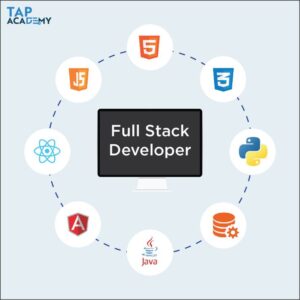
What Is Full-Stack Development?
Full-stack development is the process of building both the frontend and backend components of a web application or software product.
The frontend is the part of an application that users see and interact with. It commonly involves:
- HTML
- CSS
- JavaScript
- React
- Responsive web design
- User interfaces
- Frontend application logic
The backend operates behind the scenes. It can include:
- Server-side programming
- Databases
- APIs
- Authentication
- Application logic
- Server configuration
- Deployment
A full-stack developer therefore needs to understand how different parts of an application communicate with one another.
For example, imagine a Nigerian business creating an online booking platform. A customer may use a website to select a service and submit a booking form. The frontend displays the interface, while the backend processes the booking, communicates with a database and returns information to the user.
That combination of frontend and backend knowledge is what makes full-stack development different from learning only basic web design.
Why Search for Top Full-Stack Development Training Centres in Port Harcourt?
The demand for digital products has created opportunities for people with software development skills. Businesses need websites, customer portals, internal systems, e-commerce platforms and other digital applications.
This makes full-stack development training in Port Harcourt relevant to:
- University students
- Recent graduates
- Career changers
- Entrepreneurs
- Freelancers
- Existing developers
- IT professionals
- Business owners
- People interested in remote technology careers
Port Harcourt also has a growing technology training ecosystem. Current local listings include several software and technology training providers, while some providers publish dedicated full-stack programmes covering frontend, backend and related technologies.
However, simply finding a training centre is not enough.
The important question is:
What will you actually learn, build and be able to demonstrate after completing the programme?
That question should guide your search for the top full-stack development training centres in Port Harcourt.
What Should You Look for in the Top Full-Stack Development Training Centres in Port Harcourt?
When comparing top full-stack development training centres in Port Harcourt, consider the following factors.
1. A Complete Full-Stack Curriculum
A full-stack programme should not focus exclusively on basic HTML and CSS.
Look for a curriculum that progresses through:
- HTML
- CSS
- JavaScript
- Frontend frameworks
- Backend programming
- Databases
- APIs
- Git and GitHub
- Authentication
- Testing
- Deployment
The exact technology stack can differ between training centres, but the programme should explain how the different components work together.
2. Hands-On Practical Training
Programming is learned through practice.
When evaluating top full-stack development training centres in Port Harcourt, ask how much time learners actually spend writing code and building applications.
A practical course should include exercises, assignments and projects rather than relying primarily on lectures.
3. Real-World Projects
Projects provide an opportunity to turn programming concepts into working applications.
A learner might build:
- An e-commerce website
- A school management application
- A booking system
- An inventory platform
- A task management application
- A customer relationship system
- A job board
- A financial tracking application
The projects should gradually become more complex as the learner’s skills improve.
4. Instructor Support
Beginners frequently encounter errors that they cannot immediately understand.
Good instructor support can help learners identify problems, understand why their code failed and learn better approaches to solving similar problems.
5. Portfolio Development
One of the most useful outcomes of practical full-stack training is a portfolio.
Instead of telling an employer that you know JavaScript or React, you can demonstrate your ability through working projects.
When researching top full-stack development training centres in Port Harcourt, ask whether the programme helps learners organize and present their projects professionally.
6. Career Preparation
Technical knowledge is important, but entering the technology industry also requires professional preparation.
A career-focused programme may include:
- CV preparation
- Portfolio development
- Technical interview preparation
- Behavioural interview preparation
- Job application guidance
- Professional communication
- Mentorship
These services can help learners connect technical education with career development.
Examples of Full-Stack Development Training Options in Port Harcourt
The phrase top full-stack development training centres in Port Harcourt should not automatically be interpreted as a fixed official ranking. Training providers differ in curriculum, duration, learning format and specialization.
Some examples worth researching include the following.
Potenmunia Tech School
Potenmunia Tech School approaches technology education with an emphasis on practical learning and career readiness.
Its approach includes one-on-one learning with a dedicated instructor as well as cohort-based learning options. This can allow learners to choose a format that fits their learning preferences.
For full-stack development learners, the practical focus can include working through programming concepts and applying them through projects rather than treating development as purely theoretical.
Potenmunia also places emphasis on portfolio development, CV support, interview preparation, job application guidance and mentorship.
This means a learner’s journey can extend beyond simply completing programming lessons.
For example, instead of completing a JavaScript lesson and moving immediately to another topic, a learner can apply JavaScript concepts to an actual project and gradually build a portfolio that demonstrates practical ability.
What Technologies Do Full-Stack Developers Learn?
One of the most important questions to ask before enrolling in full-stack development training in Port Harcourt is which technologies the programme teaches.
HTML
HTML provides the structure of web pages.
Learners should understand headings, paragraphs, links, forms, images, tables, semantic elements and document structure.
CSS
CSS controls how websites look and respond to different screen sizes.
Important concepts include:
- Selectors
- Box model
- Flexbox
- CSS Grid
- Responsive design
- Typography
- Layout
- Animations
JavaScript
JavaScript provides programming functionality for web applications.
Students should learn concepts such as:
- Variables
- Functions
- Arrays
- Objects
- Loops
- Conditions
- Events
- DOM manipulation
- Asynchronous programming
- API requests
React and Other Frontend Technologies
Many modern applications use frontend frameworks or libraries.
React is one example.
Students should learn not just how to write components but also how applications manage data, communicate with APIs and organize larger interfaces.
Backend Programming
Backend development can be taught using different technologies.
Examples include:
- Node.js
- Python
- PHP
- Java
- C#
The specific language is less important than understanding backend programming concepts and how they apply to real applications.
Databases
Applications often need to store information.
Students may learn relational databases such as:
- MySQL
- PostgreSQL
They may also encounter NoSQL databases depending on the programme.
APIs
APIs allow different software systems to communicate.
A full-stack developer should understand how frontend applications communicate with backend services through APIs.
Git and GitHub
Version control is an important part of professional development.
Learners should become familiar with:
- Git repositories
- Commits
- Branches
- Merging
- Pull requests
- GitHub
Full-Stack Development Training for Beginners
Beginners searching for top full-stack development training centres in Port Harcourt should prioritize programmes with a clear progression.
A possible learning pathway is:
1. Learn HTML and CSS
2. Learn JavaScript fundamentals
3. Build simple frontend projects
4. Learn a frontend framework
5. Learn backend programming
6. Learn databases
7. Learn APIs
8. Connect frontend and backend
9. Learn Git and GitHub
10. Build a complete full-stack application
11. Deploy the application
12. Add the project to your portfolio
This progression allows learners to understand the relationship between individual technologies.
Full-Stack Development Training for Professionals
Professionals may not need to start from the beginning.
Someone who already understands frontend development, for example, may want to concentrate on backend development and databases.
Another developer might already understand programming but want to learn:
- React
- Node.js
- TypeScript
- API development
- Cloud deployment
- DevOps
- Testing
- Application architecture
This is why learning flexibility matters when evaluating top full-stack development training centres in Port Harcourt.
A training programme should ideally recognize the learner’s current ability and career objectives.
Why Practical Projects Matter in Full-Stack Training
Projects provide evidence that a learner can apply technical concepts.
Consider two learners.
Learner A writes on a CV:
JavaScript, React, Node.js and MySQL
Learner B lists the same technologies but also provides links to:
- A deployed e-commerce application
- A booking platform
- A database-driven dashboard
- A REST API
- A GitHub repository
The second learner has more tangible evidence of application development.
This is why practical projects should be an important part of full-stack development training in Port Harcourt.
How Potenmunia Tech School Approaches Full-Stack Development
Potenmunia Tech School’s approach emphasizes practical, session-based learning.
The objective is to help learners move from understanding concepts to applying those concepts.
One distinguishing feature is the availability of one-on-one learning with a dedicated personal instructor. Instead of relying entirely on a standardized pace, learners can receive individualized explanations, feedback and mentorship.
For a beginner learning full-stack development, this can be particularly useful when dealing with difficult programming concepts.
For example, if a learner understands frontend development but struggles with databases, the instructor can spend additional time working through database concepts and practical exercises.
Potenmunia also focuses on real-world projects and portfolio development.
The career side of training can include:
- CV development
- Portfolio support
- Technical interview preparation
- Behavioural interview preparation
- Job application guidance
- Mentorship
This creates a learning pathway that connects technical education with career preparation.
How to Choose Among the Top Full-Stack Development Training Centres in Port Harcourt
Before paying for a programme, ask the following questions.
Does the Course Teach Both Frontend and Backend?
A full-stack course should provide exposure to both areas.
How Many Projects Will I Build?
Ask for examples of projects completed by previous learners if they are available.
Will I Build a Portfolio?
Your portfolio should demonstrate what you can actually create.
How Much Instructor Support Is Available?
Ask whether support is one-on-one, group-based, online or a combination.
Is There Interview Preparation?
If your goal is employment, interview preparation can be useful.
Does the Programme Teach Deployment?
Building locally is only part of software development. Understanding deployment helps learners take applications from development environments toward real users.
What Is the Learning Schedule?
Consider whether the schedule fits your school, work or other responsibilities.
What Is Included in the Course Fee?
Ask whether the stated price includes projects, mentorship, certification, learning materials and other relevant services.
How Much Does Full-Stack Development Training Cost in Port Harcourt?
There is no single price for full-stack development training in Port Harcourt.
The cost depends on:
- Course duration
- Learning format
- Technology stack
- Instructor support
- Number of projects
- Career services
- Certification
- Training provider
Some providers publish their fees online, while others require prospective students to contact them for current pricing. For example, currently published programme pages show different durations and prices among providers, demonstrating why learners should compare the actual programme rather than relying on a general average.
Always confirm current fees directly with the training provider before registering.
How Long Does Full-Stack Development Training Take?
The duration varies considerably.
Some programmes are designed around several weeks, while more extensive programmes can last several months.
For example, current published Port Harcourt programmes include shorter full-stack courses and longer career-oriented programmes.
The important factor is not simply finishing quickly.
A learner should aim to understand the technologies well enough to build projects, troubleshoot errors and continue learning independently.
Can Beginners Learn Full-Stack Development?
Yes.
You do not necessarily need previous professional programming experience to begin.
However, beginners should expect to spend time practicing.
The learning process usually involves:
- Understanding a concept
- Writing code
- Encountering an error
- Debugging the problem
- Correcting the code
- Repeating the process
- Applying the knowledge to a project
This cycle is a normal part of becoming a developer.
Career Opportunities After Full-Stack Development Training
After developing sufficient skills and experience, learners may pursue roles such as:
- Full-stack developer
- Frontend developer
- Backend developer
- Web developer
- Software developer
- Junior software engineer
- Application developer
- Freelance developer
Full-stack skills can also help entrepreneurs build prototypes and digital products.
For example, someone developing a Nigerian business idea could use full-stack skills to create an early version of an application before expanding the product with additional developers.
Full-Stack Development and the Nigerian Technology Industry
Full-stack development can be useful in many areas of the Nigerian economy.
Potential application areas include:
- Fintech
- Education technology
- E-commerce
- Logistics
- Healthcare technology
- Real estate
- Agriculture
- Hospitality
- Professional services
- Small-business management
A Port Harcourt learner could therefore build projects around realistic Nigerian problems.
For example, instead of building another generic tutorial application, a learner could develop a prototype for a local service-booking platform or inventory management system.
This approach can make a portfolio more meaningful because it demonstrates both technical ability and problem-solving.
Full-Stack Development Training and AI
Artificial intelligence is increasingly becoming part of software development workflows.
However, AI tools should complement programming knowledge rather than replace it.
A developer still needs to understand:
- Programming fundamentals
- Application architecture
- Databases
- APIs
- Security
- Testing
- Debugging
- Deployment
AI can assist with certain development tasks, but developers need enough technical knowledge to evaluate generated code and identify mistakes.
This is another reason modern top full-stack development training centres in Port Harcourt should expose learners to practical development workflows and emerging technologies while maintaining strong programming fundamentals.
For general background reading on technology and related concepts, readers can also explore Wikipedia.
Frequently Asked Questions
What are the top full-stack development training centres in Port Harcourt?
There are several technology training providers in Port Harcourt offering software and full-stack development programmes. The right option depends on curriculum, practical projects, instructor support, learning format, cost and career goals.
Which skills should I learn in full-stack development?
Start with HTML, CSS and JavaScript, then progress into frontend frameworks, backend programming, databases, APIs, Git, testing and deployment.
Can I learn full-stack development as a complete beginner?
Yes. A structured programme can take beginners through programming fundamentals before progressing into frontend and backend development.
How long does full-stack development training take?
It depends on the programme and learning schedule. Some courses last several weeks, while more comprehensive programmes can run for several months.
How much does full-stack development training cost in Port Harcourt?
Fees vary by training provider, programme length, curriculum and learning format. Always confirm the current fee directly with the provider.
Do I need a university degree to become a full-stack developer?
A university degree is not the only pathway into software development. Practical skills, projects, experience and a strong portfolio can all be important.
What projects should a beginner build?
Beginners can start with simple websites and applications before progressing to database-driven applications, APIs, authentication systems and complete full-stack products.
Should I choose one-on-one or cohort training?
One-on-one training can provide more individualized attention, while cohort training can provide group interaction and collaboration. The right choice depends on your learning preferences.
Is full-stack development useful for freelancing?
Full-stack development can provide skills for building websites and applications for clients. However, freelancing also requires communication, project management, client handling and business skills.
Can full-stack developers work remotely?
Remote software development opportunities exist, but employment depends on skills, experience, portfolio quality, communication and the requirements of individual employers.
Conclusion
Searching for the top full-stack development training centres in Port Harcourt is only the first step.
The more important task is finding a programme that matches your current ability and career objectives.
Look for a training centre that provides:
- A structured curriculum
- Frontend development
- Backend development
- Database training
- API development
- Git and GitHub
- Practical projects
- Portfolio development
- Instructor support
- Mentorship
- Interview preparation
- Career guidance
- Exposure to modern development tools
Potenmunia Tech School provides a practical learning environment for people interested in developing technology skills in Port Harcourt. Its emphasis on hands-on sessions, individualized instructor support, real-world projects, portfolio development and career preparation can make the learning journey extend beyond simply completing programming lessons.
Ultimately, the most useful way to compare top full-stack development training centres in Port Harcourt is to examine what each programme actually teaches, what learners build, how instructors provide support and how the training connects technical skills with real-world application.
If you are considering full-stack development as a career, take time to compare curricula, ask about practical projects and choose a learning pathway that gives you opportunities to build, practice and demonstrate your skills.
If you are searching for Project Management Training Programs in Nigeria in 2026, there are several learning paths to consider depending on your experience, career goals, and preferred learning style.
Project management is relevant across technology, construction, energy, finance, consulting, telecommunications, education, healthcare, marketing, and entrepreneurship. A well-designed Project Management Training Program can help learners develop the ability to plan projects, organize resources, coordinate teams, manage risks, monitor progress and deliver defined outcomes.
However, not all Project Management Training Programs have the same purpose. Some are designed for beginners, while others focus on Agile methodologies, Scrum, project planning, digital tools, or professional certification preparation.
This guide explains seven Project Management Training Programs worth considering in Nigeria and the key factors to examine before choosing one.
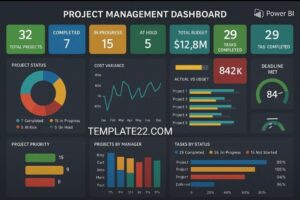
What Are Project Management Training Programs?
Project Management Training Programs are structured courses designed to teach the knowledge, skills, methods and tools used to manage projects.
A project normally has a defined objective, scope, timeline and resources. Project management provides a structured approach to organizing the work required to achieve that objective.
For example, a Nigerian technology company developing a new mobile application may need to coordinate developers, designers, testers, marketers and business stakeholders.
A project manager or project coordinator may need to determine:
- What needs to be completed
- Who is responsible for each activity
- When tasks should be completed
- What resources are required
- What risks could affect delivery
- How progress will be measured
- How stakeholders will receive updates
Good Project Management Training Programs teach learners how to approach these responsibilities systematically.
For general background and additional reading, you can explore Wikipedia.
Why Project Management Training Programs Matter in Nigeria
Organizations in Nigeria regularly undertake projects.
A company may launch a website, introduce new software, construct a facility, organize a marketing campaign, develop a product or implement a new business process.
Without proper coordination, projects can experience delays, unclear responsibilities, resource problems and communication gaps.
This is why Project Management Training Programs can be valuable for professionals across different industries.
Project management skills can also complement another professional specialization.
For example:
- A data analyst may participate in analytics projects.
- A software developer may work on application development projects.
- A marketing professional may coordinate campaigns.
- An entrepreneur may manage the development of a new product.
- An administrator may coordinate an organizational project.
Learning project management can therefore provide useful skills beyond the traditional project manager job title.
Project Management Training Programs to Consider in 2026
Different Project Management Training Programs address different learning needs. The following seven categories can help learners identify the type of training that matches their goals.
1. Project Management Fundamentals Training Programs
Project management fundamentals are a logical starting point for beginners.
These Project Management Training Programs introduce the core principles of project delivery without assuming that learners already have extensive professional experience.
A fundamentals program may cover:
- Project concepts
- Project objectives
- Project life cycles
- Project initiation
- Project planning
- Project scope
- Scheduling
- Resource management
- Risk management
- Stakeholder management
- Communication
- Project monitoring
- Project closure
A beginner could apply these concepts to a simple practical exercise.
For example, imagine that a small company wants to launch a new website. A learner could create a project plan covering requirements gathering, design, development, testing, content preparation and launch.
This type of exercise helps learners understand how project management concepts work in practice.
2. Agile Project Management Training Programs
Agile project management is another important area when evaluating Project Management Training Programs.
Agile approaches emphasize adaptability, collaboration, iterative work and continuous feedback.
Agile Project Management Training Programs may introduce concepts such as:
- Iterative development
- Backlogs
- Sprints
- Prioritization
- Team collaboration
- Reviews
- Retrospectives
- Continuous improvement
- Customer feedback
Agile training can be particularly relevant to people working in technology and software environments.
For example, a software team building an e-commerce application may develop and review individual features throughout the project instead of waiting until the entire application has been completed.
3. Scrum Training Programs
Scrum is a framework commonly associated with Agile product development.
Scrum-focused Project Management Training Programs can introduce learners to concepts such as:
- Product backlogs
- Sprint planning
- Sprint goals
- Daily Scrum
- Sprint reviews
- Sprint retrospectives
- User stories
- Product increments
- Team responsibilities
These Project Management Training Programs can be useful for technology professionals who expect to work with collaborative development teams.
Learners should distinguish between a Scrum training course and an official certification. A training provider may teach Scrum without being the organization that awards a particular professional certification.
4. Project Planning and Scheduling Training Programs
Planning and scheduling are central components of project management.
These Project Management Training Programs teach learners how to transform broad objectives into specific activities, responsibilities and timelines.
Consider a company planning to launch an online platform.
The project could involve:
- Gathering requirements
- Defining project scope
- Designing the user experience
- Developing the platform
- Creating content
- Testing the platform
- Correcting identified problems
- Preparing for launch
- Monitoring performance after launch
Project planning training can help learners understand task dependencies, milestones, deadlines and resource requirements.
Practical Project Management Training Programs should give learners opportunities to create their own project schedules rather than only explaining scheduling concepts theoretically.
5. Project Risk Management Training Programs
Risk management is another important component of effective project management.
Risk-focused Project Management Training Programs teach learners how to identify potential problems, assess their effects and prepare appropriate responses.
Common project risks can include:
- Delayed deliverables
- Staff availability problems
- Changing requirements
- Budget constraints
- Technical problems
- Supplier delays
- Communication issues
- Unexpected dependencies
Learners can practice risk management by creating a risk register.
| Risk | Probability | Impact | Possible Response |
|---|---|---|---|
| Key team member unavailable | Medium | High | Identify backup resources |
| Requirements change | Medium | Medium | Establish change-control process |
| Testing takes longer than expected | Medium | High | Include contingency time |
| Supplier delivery is delayed | Low | High | Identify alternatives |
This type of practical activity makes Project Management Training Programs more connected to real workplace situations.
6. Digital Project Management Training Programs
Technology has changed how project teams organize their work.
Digital project management Project Management Training Programs can introduce learners to software and digital workflows used for:
- Task management
- Scheduling
- Team collaboration
- Documentation
- Reporting
- Workflow management
- Progress tracking
- Communication
Learning digital tools is useful, but learners should not confuse software knowledge with complete project management knowledge.
Knowing how to create a task is different from understanding how that task fits into project scope, dependencies, priorities and deadlines.
The strongest Project Management Training Programs combine tool knowledge with project management principles.
7. Professional Project Management Certification Training Programs
Some Project Management Training Programs are designed to prepare learners for professional certification examinations.
Certification-focused training can be useful for professionals who already have project experience or want to follow a structured professional development pathway.
Before enrolling in certification-focused Project Management Training Programs, check:
- Certification eligibility
- Examination requirements
- Examination fees
- Training requirements
- Renewal requirements
- Course duration
- Whether examination fees are included
- Whether the training provider is officially authorized where applicable
A certificate can demonstrate structured learning, but practical skills and professional experience remain important.
What Do Project Management Training Programs Teach?
Although curricula vary, comprehensive Project Management Training Programs often cover several core areas.
Project Initiation
Learners study how projects are defined, why they are being undertaken and what outcomes they are expected to produce.
Project Scope
Scope defines what the project is expected to deliver and helps establish boundaries around the work.
Project Planning
Planning involves determining activities, resources, responsibilities, timelines and deliverables.
Project Scheduling
Scheduling helps teams organize activities and understand dependencies between tasks.
Resource Management
Projects require people, time, money, equipment and other resources. Training should explain how these resources affect delivery.
Risk Management
Learners should understand how to identify, assess and respond to potential project risks.
Stakeholder Management
Projects involve stakeholders with different expectations and interests. Communication and stakeholder management are therefore important parts of many Project Management Training Programs.
Project Monitoring
Project managers need to compare actual progress with planned progress.
Project Reporting
Reports allow teams and stakeholders to understand what has been completed, what is currently happening, what problems exist and what should happen next.
How to Choose Project Management Training Programs in Nigeria
There are many Project Management Training Programs available through different learning formats. Choosing one requires careful consideration.
1. Consider Your Experience
Beginners should generally look for foundational training.
Professionals with existing experience may benefit more from specialized or advanced Project Management Training Programs.
2. Examine the Curriculum
Do not choose a course based only on its title.
Review whether the curriculum includes important topics such as:
- Planning
- Scope
- Scheduling
- Resources
- Risk
- Communication
- Stakeholders
- Monitoring
- Reporting
3. Look for Practical Projects
A practical Project Management Training Program should give learners opportunities to apply what they learn.
Examples include creating:
- Project charters
- Work breakdown structures
- Project schedules
- Risk registers
- Status reports
- Communication plans
- Project dashboards
4. Consider Instructor Support
Instructor feedback can help learners identify mistakes and improve their practical work.
One-on-one instruction can be especially useful when learners need personalized explanations or additional guidance.
5. Compare Learning Formats
Project Management Training Programs may be delivered through:
- One-on-one sessions
- Cohort classes
- In-person learning
- Online learning
- Hybrid learning
Choose a format that matches your schedule and preferred learning environment.
6. Examine Career Support
If your objective is employment, look beyond classroom instruction.
Some training environments may provide support with:
- CV development
- Portfolio building
- Interview preparation
- Job applications
- Mentorship
7. Consider Certification Requirements
If certification is part of your career plan, confirm whether the course provides certification, prepares you for an external examination or simply provides a certificate of course completion.
Project Management Training Programs in Port Harcourt
For people searching for Project Management Training Programs in Port Harcourt, local learning options can provide an opportunity to develop practical project management skills within a Nigerian environment.
Port Harcourt has professional activity across sectors such as technology, energy, construction, education, consulting, services and entrepreneurship.
Project management knowledge can be applied across these areas.
For example, a learner could practice project management by developing a plan for:
- A technology startup
- A website development project
- A mobile application
- A digital marketing campaign
- A business process implementation
- A corporate training event
- A new product launch
The objective is to take project management theory and apply it to realistic situations.
How Potenmunia Tech School Approaches Project Management Training
Potenmunia Tech School emphasizes practical and career-focused technology education.
Its approach to Project Management Training Programs can involve hands-on learning rather than relying entirely on traditional lectures.
One distinctive feature is one-on-one learning with a dedicated personal instructor. This approach allows learners to receive individualized explanations, feedback and mentorship.
Practical exercises can also help learners build evidence of their skills.
For example, a learner completing project management training could develop a portfolio containing:
- A project charter
- Project objectives
- Work breakdown structure
- Project schedule
- Risk register
- Stakeholder communication plan
- Project status report
- Project completion report
These deliverables can demonstrate how the learner applies project management concepts.
Career preparation can also form part of the learning journey. CV and portfolio development, structured interview preparation and job application guidance can help connect training with professional development.
The combination of practical projects, mentorship and career-focused learning gives learners opportunities to develop skills that extend beyond simply completing a course.
Project Management Training Programs for Beginners
Beginners should not feel pressured to start with advanced project management topics.
A beginner-focused Project Management Training Program can introduce concepts gradually.
A typical learning pathway may cover:
- Understanding projects
- Defining project objectives
- Identifying stakeholders
- Defining project scope
- Creating project plans
- Building schedules
- Managing resources
- Identifying risks
- Communicating with stakeholders
- Monitoring project progress
- Closing projects
Once these fundamentals are understood, learners can progress into Agile, Scrum, digital project management and professional certification preparation.
Project Management Training Programs for Professionals
Professionals may require more specialized Project Management Training Programs.
Advanced areas can include:
- Agile project management
- Scrum
- Risk management
- Stakeholder management
- Project leadership
- Digital project management
- Project reporting
- Strategic planning
- Certification preparation
Professionals can also combine project management with existing technical skills.
For example:
Data Analytics + Project Management can provide knowledge of both analytical work and project delivery.
Software Development + Project Management can combine technical expertise with planning and coordination.
Digital Marketing + Project Management can help professionals coordinate campaigns involving multiple teams and deadlines.
Career Opportunities After Project Management Training
Completing Project Management Training Programs can support several career directions.
Depending on experience and qualifications, possible roles include:
- Project Coordinator
- Project Manager
- Project Support Officer
- Program Coordinator
- Operations Coordinator
- Implementation Specialist
- Product-related roles
- Scrum-related roles
- Business Operations roles
Job requirements differ between employers, industries and levels of seniority.
For this reason, learners should combine formal training with practical experience wherever possible.
How Long Do Project Management Training Programs Take?
The duration of Project Management Training Programs varies according to the curriculum, learning format and objectives.
An introductory program may take several weeks, while comprehensive training or certification preparation can take longer.
Factors affecting duration include:
- Course content
- Number of practical sessions
- Learning format
- Instructor support
- Learner experience
- Certification objectives
- Independent practice
A shorter program is not automatically more suitable. Consider what you will actually learn and how much opportunity you will have to practice.
Practical Checklist for Choosing Project Management Training Programs
Before enrolling in Project Management Training Programs, ask:
- Is the program suitable for my experience level?
- Does it teach project planning?
- Does it cover project scheduling?
- Does it include risk management?
- Does it teach stakeholder communication?
- Are practical projects included?
- Will an instructor review my work?
- Will I learn project management tools?
- Is mentorship available?
- Is certification included?
- Is certification preparation available?
- What are the complete costs?
- What learning format is offered?
- Is career support available?
- Can I build portfolio evidence?
This checklist can help you evaluate Project Management Training Programs based on your actual learning and career objectives.
Frequently Asked Questions About Project Management Training Programs
What are Project Management Training Programs?
Project Management Training Programs are structured educational courses that teach learners how to plan, organize, execute, monitor and close projects.
Which Project Management Training Programs are suitable for beginners?
Beginners can start with foundational Project Management Training Programs covering project planning, scope, scheduling, resources, communication and risk management.
Can I study project management without a technical background?
Yes. Project management is used across many industries, and many project management responsibilities do not require programming or an engineering background.
Are Project Management Training Programs useful for technology professionals?
Yes. Technology professionals often work on projects and can benefit from skills in planning, scheduling, requirements management, communication and delivery.
Do Project Management Training Programs include certification?
Some programs include certification or certification preparation, while others provide only a course-completion certificate. Always confirm exactly what the program provides.
How much do Project Management Training Programs cost in Nigeria?
Costs vary depending on the provider, curriculum, duration, learning format, instructor support and certification arrangements. Compare the complete cost rather than looking only at the advertised course price.
Can Project Management Training Programs help with employment?
Project management training can help develop relevant knowledge and skills, but employment depends on several factors, including practical ability, qualifications, experience and employer requirements.
Can I study Project Management Training Programs in Port Harcourt?
Yes. Learners in Port Harcourt can explore local training providers and compare their curricula, practical learning, instructor support, learning formats and career-development services.
C0nclusion
Choosing between Project Management Training Programs should begin with your career objective, current experience and preferred learning style.
Beginners may benefit from foundational project management training. Technology professionals may want Agile, Scrum or digital project management skills. Experienced professionals may consider advanced training or certification preparation.
Whatever your starting point, practical application is important.
Look for Project Management Training Programs that allow you to create project plans, schedules, risk registers, reports and other practical deliverables.
For learners in Port Harcourt, practical project management education can also be combined with mentorship, portfolio development, interview preparation and broader career support.
If you are comparing Project Management Training Programs in Nigeria in 2026, evaluate each option based on its curriculum, practical experience, instructor support, learning format and relevance to your career goals.
For additional general information, you can visit Wikipedia and explore its educational resources.
Choosing a Project Management Tech School is an important decision for anyone who wants to build practical project management skills for today’s technology-driven workplace. A good Project Management Tech School should go beyond explaining project management theory. It should help learners understand how to plan, organize, execute, monitor, and complete technology projects.
For students and professionals in Port Harcourt, finding the right Project Management Tech School can provide an opportunity to develop skills that apply to software development, digital products, data projects, IT implementation, business automation, and other technology initiatives.
This guide explains what a Project Management Tech School is, what students should learn, what to look for when choosing a program, and how practical project management training can support a technology career.

What Is a Project Management Tech School?
A Project Management Tech School is a training environment that combines project management education with practical technology applications.
Traditional project management covers important areas such as planning, scope, scheduling, budgeting, resources, risks, communication, and stakeholder management. A Project Management Tech School adds technology-focused examples and workflows to these fundamentals.
This can be particularly useful for people who want to manage projects involving:
- Software development
- Websites and web applications
- Mobile applications
- Data analytics
- Digital transformation
- IT systems
- Cloud technologies
- Business automation
- Digital marketing
- Technology products
Project management itself involves organizing people, resources and activities to achieve defined objectives. Learners can explore broader background information about project management through Wikipedia.
Why Choose a Project Management Tech School?
Technology projects can involve multiple people with different responsibilities. A software developer may focus on programming, a designer may focus on user experience, a data analyst may work with information and a client may focus on business objectives.
Someone needs to coordinate these activities.
A Project Management Tech School can help learners understand how these different responsibilities fit together.
Instead of learning project management only through theoretical examples, students can work with technology-based scenarios and learn how to make decisions throughout the project lifecycle.
For example, imagine a team building an online booking platform in Port Harcourt. A project manager may need to coordinate:
- Project requirements
- Product design
- Development tasks
- Testing
- Client communication
- Deadlines
- Risk management
- Project documentation
- Launch activities
A Project Management Tech School can use scenarios like this to help learners understand the practical side of managing technology projects.
What Should You Learn at a Project Management Tech School?
A strong Project Management Tech School should provide a balanced combination of project management fundamentals, technology awareness and practical application.
Project Planning
Project planning is one of the foundations of project management.
Students at a Project Management Tech School should learn how to:
- Define project objectives
- Identify deliverables
- Establish project scope
- Break large activities into smaller tasks
- Identify stakeholders
- Create project schedules
- Establish milestones
- Allocate responsibilities
For example, instead of giving a development team the vague instruction to “build a website,” a project manager should help define exactly what the website must accomplish.
Scope Management
Scope determines what is included in a project and what is not.
Poor scope management can lead to confusion and uncontrolled changes.
A Project Management Tech School should therefore teach students how to document project requirements and manage changes when they occur.
Scheduling
Technology projects contain tasks that often depend on one another.
A Project Management Tech School can teach learners how to create schedules, identify dependencies, establish deadlines and monitor milestones.
Students should understand not only how to create a timeline but also how to adjust it when circumstances change.
Risk Management
Every technology project has potential risks.
Examples include:
- Changing requirements
- Technical problems
- Delayed approvals
- Limited resources
- Budget changes
- Team availability
- Integration problems
- Unexpected development challenges
At a Project Management Tech School, learners can practice identifying risks before they become major problems.
Agile and Scrum
Many technology teams use Agile approaches to organize development and respond to changing requirements.
A Project Management Tech School may introduce learners to concepts such as:
- Sprints
- Product backlogs
- User stories
- Sprint planning
- Reviews
- Retrospectives
- Daily stand-ups
The goal should not simply be memorizing terminology. Students should understand how these concepts can be applied to actual technology projects.
Stakeholder Management
Technology projects involve stakeholders with different expectations.
A project manager may communicate with developers, designers, business owners, customers, executives and other team members.
A Project Management Tech School should therefore teach communication skills alongside technical project management concepts.
Project Management Tools
Digital tools are an important part of modern project management.
Depending on the program, students may learn how project management platforms can be used for:
- Task tracking
- Scheduling
- Collaboration
- Documentation
- Reporting
- Team communication
- Progress monitoring
The important objective is understanding how tools support project management rather than simply learning where to click.
Things that Makes Potenmunia Tech School Different from Others in a Project Management
1. Practical Project-Based Learning
A Potenmunia Tech School should give learners opportunities to apply what they learn.
For example, students could manage a simulated technology project from beginning to end.
They might create:
- A project charter
- Project scope
- Work breakdown structure
- Project schedule
- Risk register
- Stakeholder matrix
- Communication plan
- Status report
This type of practical activity can make project management concepts easier to understand.
2. Dedicated Instruction and Mentorship
Project management involves decision-making, communication and problem-solving.
An instructor should be able to provide feedback when a learner makes mistakes or struggles with a particular concept.
At Potenmunia Tech School, the one-on-one learning model pairs learners with a dedicated instructor who can provide individualized guidance, feedback and mentorship.
This can be particularly useful when a learner needs additional explanation or wants to progress at a different pace.
3. Technology-Focused Examples
A Potenmnuia Tech School expose learners to technology-related projects.
Examples include:
- Software projects
- Website projects
- Mobile applications
- Data analytics projects
- IT implementation projects
- Digital transformation projects
- Business automation projects
Technology-focused examples allow students to understand how project management works in environments where technical teams are involved.
4. Portfolio Development
A Potenmunia Tech School also help learners create evidence of practical skills.
A project management portfolio could contain:
- Project plans
- Project schedules
- Risk registers
- Stakeholder documentation
- Agile planning documents
- Project reports
- Project presentations
These materials can help demonstrate practical knowledge when discussing skills with employers or clients.
5. Interview Preparation
Learning project management is only one part of preparing for a career.
Potenmunia Tech School can also provide interview preparation.
Students may practice explaining how they would:
- Handle a delayed project
- Resolve team disagreements
- Communicate with difficult stakeholders
- Prioritize competing tasks
- Manage project risks
- Respond to changing requirements
At Potenmunia Tech School, structured interview preparation can be incorporated into the broader career-readiness process.
6. Flexible Learning Options
Learners have different schedules and preferences.
A Project Management Tech School may offer:
- One-on-one learning
- Cohort-based learning
- Practical sessions
- Mentorship
- Flexible training arrangements
Having different learning paths can make it easier for students and working professionals to select an approach that fits their circumstances.
7. AI and Future-Skills Exposure
Modern technology is changing how teams work.
Potenmunia Tech School help learners understand how AI and digital tools can support activities such as:
- Documentation
- Research
- Reporting
- Task organization
- Meeting summaries
- Project analysis
- Communication
However, project management still requires human skills such as leadership, communication, judgment and collaboration.
Project Management Tech School vs Traditional Project Management Training
There is significant overlap between general project management training and a technology-focused Project Management Tech School.
General project management may cover:
- Planning
- Scheduling
- Scope
- Resources
- Risks
- Stakeholders
- Communication
A Project Management Tech School can add greater emphasis on:
- Software projects
- Digital products
- Agile workflows
- Technology teams
- Digital project tools
- Technology-related case studies
- Technical team collaboration
The right option depends on the learner’s career goals.
Someone who wants to manage software, data or digital projects may find technology-focused project management education particularly relevant.
Project Management Tech School in Port Harcourt
Port Harcourt has a growing technology and business environment, creating opportunities for professionals who understand how to organize and deliver digital projects.
A learner searching for a Project Management Tech School in Port Harcourt should consider whether the training reflects realistic workplace situations.
For example, students could practice managing projects involving:
- Business websites
- Mobile applications
- Data dashboards
- Business automation
- Digital marketing campaigns
- Software products
- IT implementations
The closer the practical exercises are to real project situations, the easier it can be for learners to understand how project management concepts work outside the classroom.
Project Management Tech School and Career Development
A Project Management Tech School can provide a foundation for people interested in technology project management.
Potential career directions include:
- Project Coordinator
- Project Manager
- IT Project Manager
- Technology Project Coordinator
- Digital Project Manager
- Scrum Master
- Implementation Coordinator
- Program Support roles
However, completing a training program does not automatically guarantee employment.
Professional experience, communication skills, education, practical project experience, certifications and employer requirements can all influence career opportunities.
This is why practical training and portfolio development can be valuable additions to classroom learning.
Practical Project Management Skills You Can Develop
A Project Management Tech School should help students develop skills they can apply to real situations.
These may include:
- Project planning
- Time management
- Task prioritization
- Risk management
- Scope management
- Stakeholder communication
- Team coordination
- Agile project management
- Documentation
- Problem-solving
- Presentation
- Reporting
- Project monitoring
- Leadership
These skills are not limited to technology. Project management knowledge can also be useful in business, consulting, education, marketing and other industries.
How Potenmunia Tech School Approaches Project Management
Potenmunia Tech School takes a practical approach to technology education in Port Harcourt.
For learners studying project management, practical sessions can provide opportunities to apply concepts rather than relying entirely on lectures.
The one-on-one learning option provides learners with a dedicated instructor for individualized support. Cohort-based learning is also available for people who prefer learning alongside other students.
Project-based activities can help learners develop practical documentation and understand how project management decisions are made.
The career-focused approach can also extend beyond technical instruction. Learners can receive support related to CV development, portfolio building, interview preparation and job applications.
The objective is to connect learning with practical outcomes.
How to Choose a Project Management Tech School
Before choosing a Project Management Tech School, ask several practical questions.
Does the school provide hands-on projects?
Find out whether learners actually manage project scenarios or simply listen to lectures.
Does the curriculum cover technology projects?
If you want to work in technology, look for software, digital or IT-related project examples.
Is there instructor support?
Consider whether you can receive feedback when you have difficulty understanding a topic.
Can you build a portfolio?
Ask whether the training produces practical project documents that can demonstrate your skills.
Is career preparation included?
Find out whether the program provides interview preparation, CV support or other career guidance.
Are there different learning formats?
Consider whether one-on-one or cohort learning is more suitable for your circumstances.
Does the curriculum address modern technology?
A current Project Management Tech School should consider modern tools, digital workflows and the growing role of AI.
Building a Project Management Portfolio
A portfolio can demonstrate what you understand even when you are still developing professional experience.
Consider creating a fictional technology project such as:
Project: Customer Booking Application
Then document:
Objective:
Develop a digital platform that allows customers to view services and make bookings.
Scope:
Define the features included in the first release.
Stakeholders:
Identify customers, business owners, developers and other relevant parties.
Work Breakdown:
Divide the project into research, design, development, testing and launch.
Schedule:
Create milestones and deadlines.
Risk Register:
Identify potential risks and planned responses.
Communication Plan:
Explain how project information will be communicated.
Final Report:
Summarize project performance and lessons learned.
A Project Management Tech School can use exercises like this to help learners turn theoretical knowledge into practical evidence.
Frequently Asked Questions
What is a Project Management Tech School?
A Project Management Tech School is a training institution or program that teaches project management with an emphasis on technology-related projects, digital workflows and practical application.
Is a Project Management Tech School suitable for beginners?
Yes. Beginners can start by learning project planning, scheduling, scope management, communication, risk management and other fundamentals.
Do I need programming skills to study at a Project Management Tech School?
No. Programming is not generally required for project management. However, basic knowledge of technology workflows can help when working with technical teams.
What can I learn at a Project Management Tech School?
Depending on the curriculum, students may learn project planning, Agile methods, risk management, stakeholder management, scheduling, communication, project documentation and digital project management tools.
Can a Project Management Tech School help with career preparation?
Some schools provide career-focused services such as CV development, portfolio building, interview preparation, mentorship and job application support.
How important are practical projects?
Practical projects can help learners apply project management concepts and produce evidence of their skills.
Can project management lead to a technology career?
Project management can support careers involving software development, IT, digital products, data projects and other technology initiatives. Career progression depends on experience, skills and the requirements of individual employers.
Where can I find a Project Management Tech School in Port Harcourt?
When evaluating a Project Management Tech School in Port Harcourt, compare curriculum, practical training, instructor support, learning format, portfolio development and career preparation before making a decision.
Conclusion
A Project Management Tech School can provide a useful pathway for learners who want to understand how technology projects are planned, coordinated and delivered.
The most valuable programs do more than introduce terminology. They give learners opportunities to work through realistic scenarios, create project documentation, receive feedback and understand how project management works alongside technology teams.
If you are searching for a Project Management Tech School in Port Harcourt, consider practical learning, mentorship, portfolio development, career preparation and exposure to modern technology when comparing your options.
Potenmunia Tech School provides practical technology education in Port Harcourt, with one-on-one and cohort learning options, project-based sessions, mentorship and career-focused support. Learners can explore the available learning paths and determine which approach aligns with their professional goals.
If you are searching for the best software engineering courses in Nigeria, 2026 offers several learning paths for beginners, students, graduates, working professionals and aspiring technology entrepreneurs. Software engineering covers the design, development, testing, and maintenance of software systems, making practical training an important part of becoming a capable developer.
The best software engineering courses in Nigeria are not necessarily the programs with the most impressive names. A useful course should help learners understand programming fundamentals, work with modern development tools, build practical projects, solve software problems, and develop skills that can be demonstrated through a portfolio.
For learners in Port Harcourt and other Nigerian cities, choosing among the best software engineering courses in Nigeria should therefore involve looking beyond certificates. Curriculum quality, practical experience, instructor support, project work, and career preparation all matter.

What Is Software Engineering?
Software engineering is an engineering-oriented approach to designing, developing, testing, operating, and maintaining software. It involves applying systematic methods to create software that solves specific problems and meets user or business requirements.
Software development is broader than simply writing code. It can involve requirements analysis, design, programming, testing, documentation, deployment and maintenance.
This distinction is important when evaluating the best software engineering courses in Nigeria.
A beginner who only learns programming syntax may know how to write individual pieces of code but still need to learn how to turn those pieces into reliable applications.
A practical software engineering program should progressively introduce learners to areas such as:
- Programming
- Data structures and algorithms
- Databases
- APIs
- Version control
- Software testing
- Debugging
- Application architecture
- Deployment
- Security
- Team-based development
- Software documentation
Best Software Engineering Courses in Nigeria in 2026
There is no single software engineering course that is perfect for every learner. The best software engineering courses in Nigeria can be grouped into different learning paths depending on the student’s career objective.
1. Full-Stack Software Engineering
Full-stack development is one of the broadest software development paths because it introduces learners to both front-end and back-end development.
A typical full-stack program can cover:
- HTML
- CSS
- JavaScript
- React
- Node.js
- Databases
- SQL
- APIs
- Authentication
- Git and GitHub
- Deployment
- Testing
A learner could progress from building a simple webpage to creating a complete database-driven application.
For someone comparing the best software engineering courses in Nigeria, full-stack development can be an interesting option because it exposes students to multiple parts of the software development process.
2. Front-End Development
Front-end development focuses on the interface users see and interact with.
A front-end course may include:
- HTML
- CSS
- JavaScript
- Responsive web design
- Git
- APIs
- React or another JavaScript framework
- Accessibility
- Browser development tools
For example, a front-end developer could build the interface for an online education platform, e-commerce website or business management application.
If your goal is to specialize in user-facing web applications, a front-end development course may be more appropriate than a broad software engineering program.
3. Back-End Development
Back-end development focuses on the systems operating behind the user interface.
Back-end courses may teach:
- Node.js
- Python
- Java
- PHP
- C#
- SQL
- Databases
- REST APIs
- Authentication
- Server-side programming
- Application security
For example, when a customer places an order on an e-commerce website, the back end may process the order, communicate with a database and return information to the front end.
Back-end development is therefore an important component of many modern software engineering applications.
4. Mobile App Development
Mobile development focuses on creating applications for smartphones and tablets.
Depending on the program, learners might study:
- Flutter
- React Native
- Kotlin
- Swift
- Mobile user interfaces
- APIs
- Databases
- Authentication
- Mobile testing
Mobile application development can be useful for learners interested in building solutions for education, transportation, retail, finance, business or other sectors.
5. Software Engineering and Programming
A broader software engineering program can provide a foundation in the principles used throughout the software development lifecycle.
Topics can include:
- Programming fundamentals
- Object-oriented programming
- Data structures
- Algorithms
- Database systems
- Software architecture
- Git
- Testing
- Debugging
- APIs
- Application development
This type of program can be useful for students who want a wider understanding of software engineering rather than concentrating immediately on one framework.
6. Cloud and DevOps Engineering
Cloud and DevOps training focuses on deploying, operating and maintaining software systems.
Learners may encounter:
- Linux
- Cloud computing
- Docker
- Containers
- CI/CD
- Infrastructure
- Monitoring
- Deployment
- Automation
- Cloud security
This is generally more suitable after establishing basic programming and software development knowledge.
7. Software Testing and Quality Assurance
Software testing is another important area of software engineering.
Courses can introduce learners to:
- Manual testing
- Test cases
- Regression testing
- API testing
- Automated testing
- Bug reporting
- Test planning
- Quality assurance
Testing helps developers identify problems and verify that applications behave as expected.
How to Choose the Best Software Engineering Courses in Nigeria
Choosing among the best software engineering courses in Nigeria requires careful consideration.
Instead of choosing a program simply because its title sounds impressive, examine what you will actually learn and build.
1. Review the Curriculum
Check whether the curriculum includes the fundamentals you need.
For beginners, this may include:
- Programming fundamentals
- Git
- Databases
- APIs
- Web or mobile development
- Debugging
- Testing
More advanced learners may want courses covering architecture, cloud infrastructure, automated testing or other specialized areas.
2. Look for Practical Projects
One of the strongest ways to evaluate software engineering training is by looking at the projects learners complete.
Ask:
- Will I build applications?
- Will I work with databases?
- Will I use Git?
- Will I deploy projects?
- Will I have projects for my portfolio?
- Will instructors review my work?
A course that combines instruction with practical development can help learners connect concepts with real applications.
3. Consider Instructor Support
Programming can involve difficult concepts and errors that are challenging to solve alone.
When comparing the best software engineering courses in Nigeria, consider whether students receive feedback, mentorship and opportunities to get individual assistance.
4. Examine the Learning Format
Different students learn differently.
Some prefer individual instruction, while others prefer learning within a cohort.
Consider whether the training provider offers:
- One-on-one learning
- Cohort learning
- Physical classes
- Online learning
- Hybrid learning
- Flexible schedules
5. Examine Career Preparation
If your objective is to enter the technology workforce, investigate whether the program supports:
- CV development
- Portfolio development
- Technical interview preparation
- Behavioral interview preparation
- Job application strategy
- Professional mentorship
These services do not replace technical ability, but they can complement it.
Best Software Engineering Courses in Nigeria for Beginners
Beginners should avoid choosing a course solely because it teaches advanced technologies.
A strong beginner pathway should first establish programming fundamentals.
For example:
1. Computer and programming fundamentals
2. Variables, conditions, loops and functions
3. Object-oriented programming or other appropriate programming concepts
4. Git and version control
5. Databases and SQL
6. Web, mobile or application development
7. APIs and authentication
8. Testing and debugging
9. Real-world projects
10. Portfolio and career preparation
This gradual approach can make software engineering easier to understand than immediately jumping into complicated frameworks.
Best Software Engineering Courses in Nigeria for Career Changers
People changing careers into technology may have different requirements from students starting their first professional journey.
A career changer may need a program that combines:
- Structured learning
- Practical projects
- Mentorship
- Portfolio development
- Interview preparation
- CV support
- Job application guidance
The goal should be to develop demonstrable skills rather than simply completing lessons.
Software Engineering Courses in Port Harcourt
For people searching for the best software engineering courses in Nigeria from Port Harcourt, local accessibility can be an important consideration.
A learner may prefer a training environment where they can receive direct instructor support, work on projects and interact with other learners.
Potenmunia Tech School provides technology training in Port Harcourt with both one-on-one and cohort learning options.
Its software engineering approach emphasizes practical sessions rather than relying primarily on lectures. Learners can work through projects while receiving instructor guidance and mentorship.
For learners who need individualized attention, the one-on-one model pairs a learner with a dedicated instructor. This can allow questions, feedback and learning pace to be handled more personally.
What Makes a Software Engineering Course Practical?
A practical software engineering course should connect concepts to actual development tasks.
For example, instead of only learning what a database is, a learner could create a database for a student management application.
Instead of only learning APIs theoretically, the learner could build an application that sends and receives data through an API.
Instead of only discussing version control, the learner could use Git to manage the code for a project.
This approach helps students understand how individual concepts fit into the larger software development process.
Software Engineering Projects Nigerian Students Can Build
Students can develop projects based on everyday problems and business needs.
Examples include:
Student Management System
A system for managing student information, courses, attendance and results.
Inventory Management Application
A platform that allows a small business to track products, quantities and sales.
Appointment Booking System
An application that allows customers to request and manage appointments.
E-Commerce Application
A web application featuring products, accounts, carts and order management.
School Portal
A system that connects students, teachers and administrators.
Expense Tracker
An application that helps users record and categorize financial transactions.
Local Business Directory
A platform that allows users to find and explore businesses in a particular Nigerian city.
These projects can become portfolio pieces when they are properly documented and deployed.
Software Engineering Skills to Learn in Nigeria
The best software engineering courses in Nigeria should help learners develop skills that go beyond memorizing programming syntax.
Important areas include:
Programming
Learn to write readable, maintainable code and understand the language being used.
Problem Solving
Software engineers regularly break large problems into smaller tasks.
Database Management
Understand how applications store, retrieve and organize information.
Version Control
Learn Git and collaborative development workflows.
Testing
Understand how to verify that software behaves correctly.
Debugging
Learn how to identify the causes of errors and fix them systematically.
APIs
Understand how different applications communicate.
Security
Learn basic principles for protecting applications and user data.
Communication
Software development is frequently collaborative, so developers need to communicate technical ideas clearly.
Software Engineering and AI in 2026
AI tools are becoming increasingly relevant to software development.
Developers may use AI-assisted tools to help explain code, generate suggestions, create tests or explore possible implementations.
However, learners should still understand the fundamentals behind the code they use.
A software engineer needs to be able to review generated code, identify errors, test applications and make informed technical decisions.
For this reason, AI skills can complement software engineering knowledge rather than replace the need to learn programming.
How Potenmunia Tech School Approaches Software Engineering
Potenmunia Tech School’s approach focuses on helping learners move from learning concepts to applying them.
The training is structured around practical, session-based learning, where learners can spend significant time working with technology rather than only listening to theoretical explanations.
The one-on-one option provides a dedicated instructor who can provide individualized guidance and feedback.
For learners who prefer group interaction, cohort-based learning provides another pathway.
Projects are also an important part of the learning process. Rather than treating projects as an optional activity at the end of training, practical work can help learners apply concepts as they progress.
Career preparation can also include CV and portfolio support, technical and behavioral interview preparation, and guidance around job applications.
For someone in Port Harcourt comparing the best software engineering courses in Nigeria, these practical factors are worth considering alongside the curriculum, duration and cost of training.
Career Opportunities After Software Engineering Training
Software engineering knowledge can support several career directions.
Possible roles include:
- Software Developer
- Software Engineer
- Front-End Developer
- Back-End Developer
- Full-Stack Developer
- Mobile App Developer
- QA Engineer
- Automation Tester
- DevOps Engineer
- Cloud Engineer
Some people also use software development skills for freelancing, contract projects, remote work or technology entrepreneurship.
Career outcomes depend on the individual’s technical skills, portfolio, experience, communication ability and the opportunities available to them.
How Long Does It Take to Learn Software Engineering?
There is no fixed period that applies to everyone.
A beginner can learn programming fundamentals within a few months with consistent practice, but developing professional software engineering skills requires continued learning and project experience.
Your learning timeline can depend on:
- Previous experience
- Weekly study hours
- Course structure
- Mentorship
- Complexity of the technologies
- Amount of practical work
- Personal consistency
Instead of asking only how quickly you can finish a course, ask whether you can eventually build, test, debug and explain your own software.
How Much Do Software Engineering Courses Cost in Nigeria?
Software engineering training costs vary considerably.
Factors that can affect the price include:
- Course duration
- Learning format
- Instructor support
- Curriculum depth
- Practical projects
- Career services
- Certification
- Physical versus online training
Before paying for a course, compare what is actually included rather than comparing tuition prices alone.
A less expensive course may provide fewer hours of instruction or less individual support, while a more expensive program may include additional mentoring or career services.
Best Software Engineering Courses in Nigeria: A Practical Checklist
Before enrolling, use this checklist:
- Does the curriculum match my career goal?
- Does the program teach programming fundamentals?
- Will I build real projects?
- Will I learn Git and version control?
- Does the course cover databases?
- Will I work with APIs?
- Is testing included?
- Can I receive instructor feedback?
- Is there mentorship?
- Will I build a portfolio?
- Is interview preparation available?
- Is CV support available?
- Does the learning format suit me?
- Is the course suitable for my current skill level?
- Can I realistically commit the required time?
This checklist can help you make a more informed decision when comparing the best software engineering courses in Nigeria.
Why Practical Training Matters
Software engineering is a practical discipline.
You can read about programming for months without becoming comfortable building applications. Writing code, encountering errors, debugging them and improving your projects are essential parts of learning.
That is why learners should look for opportunities to:
- Write code regularly.
- Build increasingly complex projects.
- Read and understand existing code.
- Use version control.
- Debug errors.
- Test applications.
- Document projects.
- Receive feedback.
- Improve previous projects.
- Build a portfolio.
The objective should be competence, not simply course completion.
Conclusion on the Best Software Engineering Courses in Nigeria
The best software engineering courses in Nigeria should be evaluated based on what they enable you to learn and build, rather than the title alone.
Full-stack development, front-end development, back-end development, mobile development, software engineering, DevOps and software testing can all provide different routes into technology.
If you are a beginner, start with strong programming fundamentals. If you already have programming experience, consider specializing in an area that matches your career objectives.
For learners in Port Harcourt, compare available programs based on curriculum, practical training, instructor support, project experience, mentorship and career preparation.
Potenmunia Tech School provides practical technology training in Port Harcourt, including software engineering-related learning paths with one-on-one and cohort options. Anyone considering a software engineering career can explore the curriculum and determine whether the learning approach matches their goals.
For additional background on software engineering concepts, readers can explore Wikipedia’s Software Engineering overview as a general reference.
Frequently Asked Questions
What are the best software engineering courses in Nigeria?
The major learning paths include full-stack development, front-end development, back-end development, mobile app development, software engineering, cloud/DevOps and software testing. The appropriate option depends on the learner’s goals and experience.
What is the best software engineering course for beginners in Nigeria?
Beginners can start with a program that teaches programming fundamentals before progressing into web, mobile or full-stack development.
Can I learn software engineering without a university degree?
Yes. Structured training, self-study, practical projects and professional experience can help someone develop software engineering skills outside a traditional university program.
How long does it take to learn software engineering in Nigeria?
It depends on the learner, curriculum and amount of practice. Foundational skills can be developed within months, while professional competence requires continued practice and project experience.
Is full-stack development part of software engineering?
Full-stack development is a software development specialization involving both front-end and back-end application development. It can form an important part of a broader software engineering learning path.
What should I look for when choosing software engineering training?
Look at the curriculum, practical projects, instructor support, mentorship, technologies taught, learning format, portfolio opportunities and career preparation.
Where can I study software engineering in Port Harcourt?
Learners can compare technology training providers in Port Harcourt based on curriculum, practical experience, instructor support, project development and career-focused services. Potenmunia Tech School offers practical technology training with one-on-one and cohort learning options.
Is AI important for software engineers in 2026?
AI tools are increasingly relevant to software development, but developers still need programming, debugging, testing and problem-solving skills to evaluate and use AI-assisted output effectively.
You want to become ethical hacker in Port Harcourt. You are beginner with zero experience or you are IT professional who wants to add security skills. You search best ethical hacking program in P.H.
Many beginners choose wrong program. They pay for program that gives only videos and certificate without practical labs. They finish but cannot do real ethical hacking tasks. They cannot find job.
This guide explains best ethical hacking program in P.H in simple English. You will learn what best ethical hacking program in P.H means, why best ethical hacking program in P.H is important in Port Harcourt now, 10 modules in best ethical hacking program in P.H, how Potenmunia Tech School teaches best ethical hacking program in P.H with 100 percent practical labs and one-on-one dedicated instructor, comparison table, how to choose right program, career paths, salary, and frequently asked questions.
For general background on ethical hacking, see: https://en.wikipedia.org/wiki/Ethical_hacking
Table of Contents
- What is best ethical hacking program in P.H?
- Why best ethical hacking program in P.H is Important for Beginners and Professionals in Port Harcourt Now
- 10 Modules Inside best ethical hacking program in P.H Explained
- How Potenmunia Tech School Teaches best ethical hacking program in P.H Practically
- Table: best ethical hacking program in P.H Compared by Skills and Career Use
- How to Choose Right best ethical hacking program in P.H for Your Level
- Career Path After best ethical hacking program in P.H
- Salary Growth After best ethical hacking program in P.H
- Frequently Asked Questions
What is best ethical hacking program in P.H?
best ethical hacking program in P.H means structured training that teaches you how to test computers, networks, and websites with permission to find weakness and fix it before criminals do.
Good best ethical hacking program in P.H teaches networking foundation, Linux basics, vulnerability assessment, Nmap scanning, web application security, wireless security, password security, Burp Suite basics, report writing, problem solving, and capstone project with hands-on labs.
At Potenmunia Tech School in Port Harcourt, best ethical hacking program in P.H is 100 percent practical and session based with dedicated personal instructor who mentors you throughout your journey.
Why best ethical hacking program in P.H is Important for Beginners and Professionals in Port Harcourt Now
Why is best ethical hacking program in P.H important now in Port Harcourt?
First, businesses in Port Harcourt and Lagos have websites, POS, cloud accounts. Banks face phishing daily. Oil and gas companies need SOC teams.
Second, cyber threats are high in Nigeria. Phishing is common. Business email compromise is common. Weak WordPress sites get hacked daily.
Third, demand for ethical hackers is high. Companies need people who can test ethically and protect them. Supply of people with practical portfolio is low.
Fourth, you can work remotely. You can live in Port Harcourt and work for companies in Lagos, UK, US, Canada if you have practical portfolio from best ethical hacking program in P.H.
That is why best ethical hacking program in P.H is one of most valuable programs for beginners and professionals in 2026.
10 Modules Inside best ethical hacking program in P.H Explained
Here are 10 modules inside best ethical hacking program in P.H at Potenmunia Tech School. Arranged from foundation to advanced. For beginners and professionals.
1. Networking Foundation Module
What it is: Understanding how internet works. IP address, ports, protocols like TCP, UDP, HTTP, DNS, routers, switches, how data moves.
Why it matters: You cannot hack or protect what you do not understand. Networking is foundation of best ethical hacking program in P.H.
What you learn at Potenmunia: You learn networking with simple diagrams for small business in Port Harcourt. You do labs with ping, traceroute, ipconfig, Wireshark basics. Dedicated instructor explains in simple English and checks lab one-on-one.
2. Linux for Ethical Hacking Module
What it is: Ability to use Linux, especially Kali Linux and Ubuntu. Most ethical hacking tools run on Linux.
Why it matters: 90 percent of hacking tools are built for Linux. This is core of best ethical hacking program in P.H.
What you learn at Potenmunia: Hands-on Linux labs from day one. You practice terminal commands every session. Instructor guides one-on-one.
3. Nmap Scanning and Reconnaissance Module
What it is: Ability to scan networks ethically with permission using Nmap to find open ports, services, OS.
Why it matters: Scanning is first step of ethical hacking test. This is practical module in best ethical hacking program in P.H.
What you learn at Potenmunia: You practice Nmap in safe isolated lab that mirrors small business in Port Harcourt. You learn to read results and write report.
4. Vulnerability Assessment Module
What it is: Ability to find weak points ethically. Open ports, weak passwords, outdated software, misconfigurations.
Why it matters: Companies want to know where they are weak before real hackers do. This is essential module in best ethical hacking program in P.H.
What you learn at Potenmunia: You learn vulnerability assessment in isolated lab. You document findings with professional template. Instructor reviews one-on-one.
5. Web Application Security Module
What it is: Understanding how websites work and common web attacks like SQL injection, XSS, broken authentication, and how to protect WordPress sites common in Port Harcourt.
Why it matters: Many businesses in Port Harcourt lose websites due to weak WordPress security. If you can test and secure websites ethically, you get many clients. This is high demand module in best ethical hacking program in P.H.
What you learn at Potenmunia: You practice web attacks on lab websites, not real businesses. You learn how SQL injection works in simple terms, how XSS works, and how to fix it. You build portfolio with website hardening project.
6. Wireless Security and Social Engineering Awareness Module
What it is: Understanding how WiFi can be attacked and how to secure it, and how phishing and social engineering work in Nigeria context.
Why it matters: Shops and offices in Port Harcourt use WiFi with weak passwords. Staff click phishing links daily. Businesses need someone who can secure WiFi and train staff. This module is very relevant in Nigeria and part of best ethical hacking program in P.H.
What you learn at Potenmunia: You learn wireless security in practical lab. You learn how to secure WiFi for shop and office. You learn how phishing messages look in Nigeria. You create staff awareness training guide.
7. Password Security and Cryptography Basics Module
What it is: Understanding how passwords are stored, hashing, testing password strength ethically in lab, creating strong password policy.
Why it matters: Weak passwords are number one reason businesses in Nigeria get hacked. This is protective module in best ethical hacking program in P.H.
What you learn at Potenmunia: You test password strength ethically in lab with permission. You learn how to write simple password policy for business in Port Harcourt.
8. Burp Suite Basics for Web Testing Module
What it is: Ability to use Burp Suite Community ethically in lab to intercept and analyze web requests.
Why it matters: Professional ethical hackers use Burp Suite for web testing. This gives you professional edge in best ethical hacking program in P.H.
What you learn at Potenmunia: You practice Burp Suite basics in safe lab with one-on-one guidance.
9. Report Writing and Documentation Module
What it is: Ability to write simple professional security report explaining what you found, risk, and fix in language business owner understands.
Why it matters: Finding weakness is 50 percent, explaining it is 50 percent. Good report writing gets you hired. This is career defining module in best ethical hacking program in P.H.
What you learn at Potenmunia: Every lab ends with report. Dedicated instructor reviews report one-on-one.
10. Capstone Project and Job Readiness Module
What it is: Final module that combines all previous modules into capstone project that proves you are job-ready.
Why it matters: Portfolio is what gets you hired. Capstone shows you can do full assessment ethically. This is most important module in best ethical hacking program in P.H.
What you learn at Potenmunia: Compulsory capstone. You test complete small business network ethically that mirrors real business in Port Harcourt. You build portfolio, you get CV and portfolio building support, interview preparation, job application support, innovation and entrepreneurship orientation.
How Potenmunia Tech School Teaches best ethical hacking program in P.H Practically
Many schools teach theory and give certificate only. Potenmunia Tech School teaches best ethical hacking program in P.H practically.
At Potenmunia Tech School in Port Harcourt:
100 percent practical and session based learning. Every session you do lab.
One-on-one learning with dedicated personal instructor. Not large crowded class.
Both one-on-one and cohort learning options.
Real world projects and capstone experience that mirror real problems businesses in Port Harcourt face.
Mentorship ecosystem throughout your journey.
Career and job readiness focus. CV and portfolio building support, structured interview preparation, job application support.
You build portfolio of 8 to 10 professional reports that prove you can do jobs after best ethical hacking program in P.H.
Table: best ethical hacking program in P.H Compared by Skills and Career Use
|
Module at Potenmunia |
Best For |
Key Skills |
Career Use |
|---|---|---|---|
|
Networking Foundation |
Absolute beginners |
IP, ports, protocols, Wireshark basics |
Foundation for best ethical hacking program in P.H |
|
Linux for Ethical Hacking |
Beginners wanting hacker environment |
Kali Linux, terminal commands |
Core for this ethical hacking training |
|
Nmap Scanning |
Ethical scanning beginners |
Nmap, report writing |
Ethical Hacker Junior |
|
Vulnerability Assessment |
Finding weakness |
Manual checks, report template |
Vulnerability Assessor |
|
Web Application Security |
Website protection |
Burp Suite Community, WordPress hardening |
Web Security Analyst |
|
Wireless Security and Social Engineering |
Nigeria context security |
WiFi checklist, phishing training guide |
Security Awareness Trainer |
|
Password Security |
Protection and awareness |
Password policy, report template |
Security Consultant |
|
Burp Suite Basics |
Web testing advanced |
Burp Suite Community |
Professional web testing |
|
Report Writing |
Professional career |
Professional report template |
Gets you hired |
|
Capstone and Job Readiness |
Job readiness |
Combined tools plus capstone lab |
Job ready for all paths |
How to Choose Right best ethical hacking program in P.H for Your Level
If you are absolute beginner with zero experience, choose program that starts with networking and Linux foundation, gives one-on-one dedicated instructor, teaches in simple English. Potenmunia Tech School does this for best ethical hacking program in P.H.
If you are IT professional, like IT support, network admin, web developer who wants to add security skills, choose best ethical hacking program in P.H that offers vulnerability assessment, web security, Nmap, and capstone portfolio. Potenmunia Tech School offers this for professionals with practical labs.
If you want job in bank or oil company, choose best ethical hacking program in P.H that offers SOC labs, Nmap, vulnerability assessment, and report writing. Potenmunia Tech School offers all.
If you want freelance with small businesses in Port Harcourt, choose best ethical hacking program in P.H that offers web security and wireless security labs relevant to small businesses. Potenmunia offers this.
Best approach: Visit Potenmunia Tech School in Port Harcourt, see lab, meet instructor, ask for capstone demo and portfolio samples before enrolling for best ethical hacking program in P.H.
Career Path After best ethical hacking program in P.H
After best ethical hacking program in P.H at Potenmunia Tech School with portfolio, you can apply for:
SOC Analyst: Monitor security alerts. Banks and fintechs need SOC analysts.
Cybersecurity Analyst: Analyze vulnerabilities and protect systems.
Ethical Hacker Junior / Penetration Tester Junior: Test systems ethically with permission and write professional report.
IT Support with Security Skills: Support businesses in Port Harcourt with security hardening, WiFi security, staff training.
Freelance Website Security Consultant: Help small businesses secure WordPress sites and train staff to avoid phishing.
Remote Security Jobs: Work remotely for foreign companies while living in Port Harcourt. Portfolio from Potenmunia helps.
Entry salaries in Port Harcourt for beginners with portfolio from best ethical hacking program in P.H can start from N150k to N400k, mid level N400k to N700k, remote roles $800 to $3000 monthly.
Salary Growth After best ethical hacking program in P.H
Month 0 to 6 after best ethical hacking program in P.H: Junior roles N120k to N300k in Port Harcourt with portfolio.
Year 1 to 2: Mid level N300k to N700k in Lagos and Port Harcourt.
Remote: $800 to $3000 monthly depending on skills and portfolio.
Best way to increase salary is portfolio plus global certification preparation after practical training at Potenmunia Tech School for best ethical hacking program in P.H.
Frequently Asked Questions About best ethical hacking program in P.H
What is best ethical hacking program in P.H for beginners?
best ethical hacking program in P.H for beginners is structured training that teaches networking, Linux, Nmap, vulnerability assessment, web security, wireless security, report writing, and capstone project with practical labs and one-on-one instructor at Potenmunia Tech School in Port Harcourt.
Do I need coding to start best ethical hacking program in P.H?
No, you do not need coding to start best ethical hacking program in P.H. You need networking and Linux basics. At Potenmunia, instructor teaches from scratch in simple English.
How long does it take to complete best ethical hacking program in P.H in Port Harcourt?
With practical training at Potenmunia Tech School, you can become competent and job ready from best ethical hacking program in P.H within 3 to 4 months of session based labs, real projects, capstone, and mentorship.
Will I get job after best ethical hacking program in P.H at Potenmunia Tech School?
Potenmunia gives CV and portfolio building support, structured interview preparation, job application support, and capstone project that you can show employers in Port Harcourt and Lagos. Portfolio plus best ethical hacking program in P.H makes you job ready.
Why is Potenmunia Tech School best for best ethical hacking program in P.H in Port Harcourt?
Because Potenmunia offers 100 percent practical and session based learning, one-on-one learning with dedicated personal instructor, real world projects and capstone that mirrors problems businesses in Port Harcourt face, mentorship throughout your journey, career and job readiness focus.
Final Words
If you want best ethical hacking program in P.H that takes you from zero to job-ready as beginner or upgrades you as professional, your search ends at Potenmunia Tech School in Port Harcourt.
We teach best ethical hacking program in P.H practically with one-on-one dedicated instructor, real world projects, capstone, portfolio building, interview preparation, and job application support.
We build competence not just certificates. That is why we are regarded as best tech school in Port Harcourt for best ethical hacking program in P.H.
Ready to start your journey with best ethical hacking program in P.H?
Visit Potenmunia Tech School in Port Harcourt today and enrol. Your ethical hacking career starts with practical skills, not just certificate.
Extra Tips to Succeed After best ethical hacking program in P.H
Tip 1: Practice daily. Do labs at Potenmunia Tech School.
Tip 2: Build portfolio as you learn. Every report goes to portfolio with screenshots and simple English.
Tip 3: Explain vulnerability in simple English. Business owners are not technical. Simple explanation builds trust.
Tip 4: Get mentorship. Ask your dedicated instructor questions.
Tip 5: Focus on one career path first. Start with SOC analyst or security awareness trainer, then add more.
Tip 6: Prepare for interview with support at Potenmunia Tech School.
Tip 7: Stay updated. Practice new labs at Potenmunia Tech School.
With these tips, you can build successful career after best ethical hacking program in P.H while living in Port Harcourt.
Deep Dive: Why Port Harcourt Needs Ethical Hackers Now
Port Harcourt is oil and gas hub. Many businesses use digital systems. Small shops use POS and WordPress websites. Offices use WiFi and cloud email. Banks and fintechs serve thousands daily.
All these systems face threats. Phishing emails target staff daily. Fake alerts target business owners. Weak passwords expose POS systems. Outdated WordPress sites get defaced.
Companies need local talent who understands Port Harcourt business context and can protect them with practical skills and simple English report.
That is why practical training with real world projects that mirror Port Harcourt businesses is critical. At Potenmunia Tech School, every lab mirrors small business network in Port Harcourt. You learn to secure what you will actually see in job.
What Makes Program Beginner Friendly and Professional Friendly
For beginners, program starts from zero. You learn IP address like house address, ports like doors, protocols like language. You learn Linux terminal with simple commands. Instructor explains in simple English and checks lab one-on-one. No rush to advanced tools.
For professionals, program adds advanced scanning, vulnerability assessment, web security, Burp Suite basics, and capstone that builds portfolio for promotion or switch to cybersecurity role. If you are web developer, you learn to secure websites you build. If you are network admin, you learn to secure networks you manage. If you are IT support, you add security hardening and staff training to your services.
Both beginners and professionals get same practical standard, mentorship, and job readiness support.
Career Growth Timeline
Month 1: Foundation. Networking and Linux basics. First portfolio reports.
Month 2: Core Skills. Nmap scanning and vulnerability assessment in safe lab. Scanning reports.
Month 3: Applied Security. Web security and wireless security labs. Website hardening project and WiFi security checklist.
Month 4: Capstone and Job Readiness. Full small business network assessment ethically. Professional report with portfolio proof. CV building, interview preparation, job application support.
After 4 months, you have 8 to 10 professional reports, capstone project, CV, interview prep. You are job ready.
Why Potenmunia Tech School is Different
Practical Technology Training: Hands on learning with tools used in real world.
Career and Income Readiness: We show how to turn skills into income through jobs, remote work, freelancing.
Innovation and Entrepreneurship: We teach you to think beyond job, create solutions.
Mentorship Ecosystem: Guidance beyond classroom as you develop technical and professional capabilities.
Real World Experience: Projects that solve actual problems for businesses in Port Harcourt.
This is why we are regarded as best tech school in Port Harcourt for practical cybersecurity training
If you live in Port Harcourt and you want to stay relevant for the future of work, one question keeps coming up. With so many AI tools and courses online, which skills are actually in demand for businesses in Nigeria? Many people search for In-Demand AI Skills in Nigeria because they want to know what to learn first to get jobs, freelance clients, or to grow their own business.
This well detailed, educative guide explains in simple English what In-Demand AI Skills in Nigeria really means, the seven most powerful skills employers are paying for in 2026, and what you should learn based on your goals, with real examples from Port Harcourt.
What Are In-Demand AI Skills in Nigeria in Simple Terms?
In-Demand AI Skills in Nigeria are practical abilities to use artificial intelligence tools to solve real business problems that companies in Port Harcourt, Lagos, and remote teams are willing to pay for right now.
It does not mean you must build complex robots. For example, a fashion brand in GRA has 200 WhatsApp messages daily like “Price?”, “How much be the bag?”, and “Abeg wetin be delivery to Eliozu?”. The business does not need a PhD. They need someone with In-Demand AI Skills in Nigeria who can set up a chatbot that understands all these variations and replies instantly with price and delivery fee.
Similarly, a supermarket in Peter Odili has 500 product photos that need to be tagged by color and style. A logistics company in Trans Amadi has delivery records that can predict which deliveries may be late. These are real problems where In-Demand AI Skills in Nigeria are needed and paid for.
So in simple terms, in-demand means skills that help businesses in Nigeria save time, reduce costs, and increase sales using AI.
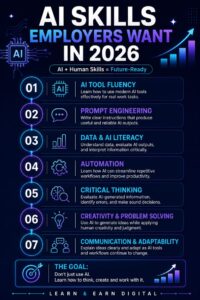
Why Are In-Demand AI Skills in Nigeria Important for the Future of Work in 2026?
In-Demand AI Skills in Nigeria are important because work in 2026 is changing fast. Employers no longer just want people who can type or use Excel. They want people who can automate repetitive tasks and use data for better decisions.
For example, in 2026, a customer support officer in Garrison who only replies manually may struggle, while someone who knows how to build a WhatsApp automation that replies instantly at 11pm becomes more valuable. A content assistant in GRA who writes product descriptions manually for 200 items may be slower than someone who uses AI tools to generate them in minutes.
For businesses in Port Harcourt, learning In-Demand AI Skills in Nigeria means you can work faster, serve more customers, and open new income streams through freelance work or consulting, even while keeping your current job. This is why many young professionals and business owners in Trans Amadi are now learning these skills.
What Are the 7 Most In-Demand AI Skills in Nigeria You Should Learn in 2026?
Here are the seven most powerful and In-Demand AI Skills in Nigeria you should learn in 2026, explained in a well educative way.
1. Prompt Engineering and AI Automation – The Most Urgent Skill Businesses Pay For?
This is the number one In-Demand AI Skill in Nigeria in 2026 because many businesses need it immediately.
Prompt engineering is learning how to give clear, specific instructions to tools like ChatGPT, Claude, and Meta AI to get excellent results. AI automation is about connecting tools like Zapier, ManyChat, and Google Sheets to automate tasks without coding every step.
Well detailed example: You build a WhatsApp system for a store in Mile One. When a customer types “Price”, the system automatically sends price list. When they type “Delivery to Eliozu how much?”, it replies with ₦2,000 and sends a payment link. It also follows up after 2 hours if they did not buy. This single skill can help you earn ₦80,000 to ₦150,000 per setup from small businesses in Port Harcourt.
2. Python and Data Handling – The Foundation for Every High Paying AI Skill?
Python is the main language used for AI because it is simple to read and has many helpful libraries. This is a core In-Demand AI Skill in Nigeria because all other skills build on it.
You need to learn how to clean dirty data with Pandas, create simple charts with Matplotlib, and handle Excel files. Well educative example: A shop in Mile One has sales records with missing prices, duplicate entries, and wrong dates. You learn how to clean this data so it can be used to understand which products sell more in Eliozu versus Choba. Without this foundation, you cannot build reliable AI models.
3. Machine Learning for Business Decisions – How Can Data Predict Future Sales?
Machine learning is about teaching computers to learn from data and make predictions. This is one of the most In-Demand AI Skills in Nigeria for businesses that have data but do not know how to use it.
Well detailed example: You take 12 months of sales data from a supermarket in Peter Odili and build a model with Scikit Learn that predicts next month sales for rice, oil, and drinks. This helps the owner know how much stock to buy and avoid waste. Employers in Lagos and Port Harcourt pay well for this skill because it directly affects profit.
4. Natural Language Processing – How Does AI Understand Nigerian Pidgin, Slang and Emojis?
Natural language processing helps computers understand customer messages that contain slang, Pidgin, abbreviations, and emojis. This is a highly In-Demand AI Skill in Nigeria because most customer operations happen on WhatsApp and Instagram.
Well educative example: You build a text classifier that reads messages like “My transfer no go”, “I never see alert”, “How much be bag?”, “Price?”, and sorts them into complaints, price inquiries, and orders. You also build sentiment analysis that reads customer reviews for a restaurant in GRA and tells if customers are happy or unhappy. Businesses in Garrison and Trans Amadi need this to sort 200 daily messages quickly.
5. Computer Vision for Retail and Logistics – How Can AI See and Understand Product Images?
Computer vision helps computers understand images and video. This is an increasingly In-Demand AI Skill in Nigeria for retail, fashion, and logistics.
Well detailed example: A fashion brand in GRA has 500 product photos on Instagram. Manually tagging them by color, style, and size takes days. You build a computer vision model with OpenCV that tags them automatically in minutes, so customers can find “red Ankara gown” faster. A logistics company in Trans Amadi uses CCTV to count how many customers enter a shop per hour. Even basic image classification skills make you stand out and earn more.
6. Data Storytelling and Business Thinking – Can You Explain AI Value to a Business Owner in Simple English?
This is what separates people who get hired from those who do not. For In-Demand AI Skills in Nigeria, technical skills alone are not enough. You must explain AI value in simple English.
Well educative example: Instead of saying “I built a 92 percent accurate classifier”, you say “I built a system for a fashion brand in GRA that sorts 200 daily WhatsApp messages automatically, reduces response time from 30 minutes to instant, and saves the owner 5 hours daily, which helps them sell more”. Employers in Port Harcourt and Lagos value people who can connect AI work to business value like time saved and sales increased. This business thinking is a top In-Demand AI Skill in Nigeria.
7. Portfolio Building and Continuous Learning – How Do You Prove Your Skills to Employers?
For In-Demand AI Skills in Nigeria, your portfolio is your proof. You must learn how to document your projects on GitHub with clear README files.
Well detailed checklist: For each project, include problem statement, data used, tools used, results with screenshots, and a short video demo. For example, “Built a WhatsApp intent classifier for a fashion brand in GRA that sorts 200 daily messages with 92 percent accuracy”. Also learn continuous learning because AI tools change fast in 2026. Employers want people who can adapt and learn new tools quickly. This makes portfolio building one of the most In-Demand AI Skills in Nigeria.

How Do These In-Demand AI Skills Apply to Real Businesses in Port Harcourt?
Understanding In-Demand AI Skills in Nigeria is easier when you see real applications in Port Harcourt.
In Retail and Fashion in GRA: Prompt engineering and computer vision help generate product descriptions for 200 items quickly and tag product photos automatically, so customers find items faster on Instagram and sales increase. This is why fashion businesses in GRA pay for In-Demand AI Skills in Nigeria.
In Logistics in Trans Amadi: Python and machine learning help predict late deliveries based on traffic and weather, and natural language processing helps sort customer complaints about failed transfers into urgent categories for faster resolution.
In Service Businesses in Peter Odili and Garrison: Natural language processing helps build chatbots that answer delivery fee questions for Eliozu, Choba, and GRA instantly, even at night, improving customer satisfaction and reducing lost sales.
These practical examples show that In-Demand AI Skills in Nigeria are not abstract theory. They solve daily operational problems for businesses around you and are paid for.
What Should You Learn First Based on Your Goal? – A Practical Guide?
What you should learn depends on your goal for In-Demand AI Skills in Nigeria.
If you want to earn quickly as a freelancer in Port Harcourt: Start with prompt engineering and AI automation. Learn how to build WhatsApp auto reply systems and content generation for fashion businesses in GRA. You can start earning in 4 to 6 weeks with this skill.
If you want a full time AI job in Lagos or remote: Start with Python and data handling, then machine learning fundamentals, then specialize in natural language processing or computer vision. Build 3 to 5 portfolio projects with Nigerian data, such as sentiment analysis for a restaurant in GRA or sales prediction for a supermarket in Peter Odili.
If you want to grow your own business in Port Harcourt: Learn automation to save time on customer support, data analysis to understand sales, and content generation to market faster on Instagram. For example, a business owner in Mile One can use automation to follow up with customers who did not complete payment, increasing sales without hiring more staff.
What is the Practical Roadmap to Learn In-Demand AI Skills in Nigeria in 2026?
Here is a well educative 7 step roadmap to learn In-Demand AI Skills in Nigeria in 2026.
Step 1: Learn Python Basics and Data Handling for 2 to 3 Weeks. Focus on cleaning Excel data from a shop in Mile One and creating simple charts showing which products sell more.
Step 2: Learn Prompt Engineering and AI Automation for 2 Weeks. Practice automating WhatsApp replies and generating content for a real business example in Port Harcourt. This gives you the most In-Demand AI Skills in Nigeria for quick earning.
Step 3: Learn Machine Learning Fundamentals. Build simple models with Scikit Learn that predict sales or sort customer messages for a shop in Mile One.
Step 4: Choose One Specialization Based on Demand. If you enjoy text and customer operations, focus on natural language processing. If you enjoy images, focus on computer vision for retail.
Step 5: Build 3 to 5 Real Projects with Nigerian Data. For example, sentiment analysis tool for a restaurant in GRA or product tagging system for a fashion store in Mile One.
Step 6: Build a Portfolio on GitHub and LinkedIn. Document each project with problem you solved, tools you used, and results achieved with screenshots.
Step 7: Practice Continuous Learning and Job Search. Follow AI trends, post about your projects weekly on LinkedIn, and reach out to businesses in Port Harcourt with small demos.

How Does Potenmunia Tech School Teach In-Demand AI Skills in Nigeria?
Potenmunia Tech School is a practical, career focused technology training school in Port Harcourt, Nigeria. Its approach to teaching In-Demand AI Skills in Nigeria is built around competence and real world application, not just theory. Here is well detailed explanation of its genuine differentiators.
100% Practical, Hands-On Learning: This means you learn by doing from day one. Instead of watching long slides, you open your laptop and work on tasks that businesses in Port Harcourt actually need. For example, in a class on prompt engineering, you will write better prompts to generate product descriptions for a fashion brand in GRA, and then test them live to see which prompt gives the most accurate result. Instructors guide you as you type, so you gain confidence through practice, not memorization. You spend 90 percent of class time building, which makes In-Demand AI Skills in Nigeria stick faster.
Real-World Projects and Capstone Experience: Every module ends with a project that solves a real business problem. For instance, you might build a WhatsApp chatbot for a store in Garrison that answers delivery fees to Eliozu and Choba instantly, or build a sales prediction model for a supermarket in Peter Odili using 12 months of sales data. At the end of training, you complete a capstone project where you combine multiple In-Demand AI Skills in Nigeria, such as building a customer support assistant that uses your own business FAQ document and can sort customer messages. This capstone becomes a strong portfolio piece that employers can see and trust.
Portfolio Building: Potenmunia Tech School teaches you how to build a portfolio that employers in Port Harcourt and Lagos respect. You are guided to structure a GitHub repository with a clear title, problem statement, data used, tools like Python, Pandas, Scikit Learn, and OpenCV, and results with screenshots and video demo. For example, you learn to write “Built a customer message classifier for a fashion brand in GRA that sorts 200 daily messages with 92 percent accuracy and reduces response time from 30 minutes to instant.” This documentation helps hiring managers understand your work quickly and increases your chances for In-Demand AI Skills in Nigeria jobs.
Career and Job-Readiness Support: This goes beyond technical skills. You receive guidance on how to write a CV that highlights portfolio projects instead of just listing courses, how to create a LinkedIn profile that shows you solve business problems, how to prepare for interviews with common questions for In-Demand AI Skills in Nigeria roles, and how to find freelance clients. For example, you learn how to send a short, helpful message to a business owner in Trans Amadi with a small demo of how you can automate their customer replies, which often leads to paid work.
AI Integration and Future Skills: The curriculum is designed for 2026 and beyond, showing you how AI connects with tools businesses use daily, like Zapier, ManyChat, Google Sheets, and WhatsApp Business API. You learn how to integrate a large language model with a business price list so the chatbot answers based on real business data, not generic answers. You also learn how to stay updated as AI tools evolve, which is essential for keeping your In-Demand AI Skills in Nigeria relevant for the future of work.
Mentorship: Mentorship means you are not learning alone. Instructors review your code during practical sessions, give feedback on your portfolio, and answer questions in a support community after class hours. For example, if your text classifier fails to understand Pidgin variations like “How much be the bag?”, a mentor will guide you on how to add more examples and improve data cleaning. This continuous feedback helps you improve faster than watching recorded videos alone and prepares you for real work scenarios.
Innovation and Entrepreneurship: Learners are encouraged to think beyond getting a job and to see how In-Demand AI Skills in Nigeria can be used to create services and businesses. For example, after learning automation, you could offer AI customer support setup as a service to five fashion businesses in GRA for a monthly retainer of ₦50,000 each. The school provides guidance on how to package your skills as a service, price it, and communicate value to non technical business owners in Port Harcourt. This entrepreneurial mindset helps you create opportunities, even while searching for full time roles.
What Common Mistakes Stop Beginners From Learning In-Demand AI Skills?
Many beginners fail to learn In-Demand AI Skills in Nigeria because of avoidable mistakes.
Mistake 1: Focusing Only on Theory and Certificates Without Building Projects. Employers in Port Harcourt want to see what you have built with Nigerian data, not just what certificate you have.
Mistake 2: Trying to Learn Every AI Tool at Once. It is better to master Python and one specialization like automation or natural language processing first, before moving to advanced topics. This helps you become truly good at In-Demand AI Skills in Nigeria.
Mistake 3: Having a GitHub Profile With No Clear README. If employers cannot understand what problem you solved, tools you used, and results achieved, they will not hire you.
Avoid these by focusing on practical projects with real business examples from Port Harcourt, clear documentation, and consistent learning.
Frequently Asked Questions About In-Demand AI Skills in Nigeria?
What are In-Demand AI Skills in Nigeria in simple terms for 2026?
In-Demand AI Skills in Nigeria are practical abilities to use AI tools to solve business problems that companies in Port Harcourt, Lagos, and remote teams are willing to pay for in 2026. They include prompt engineering and automation, Python and data handling, machine learning, natural language processing for customer messages, computer vision for images, data storytelling, and portfolio building.
Do I need a computer science degree to learn In-Demand AI Skills in Nigeria?
No. Many professionals in Port Harcourt and Lagos learned In-Demand AI Skills in Nigeria through practical training and a portfolio of projects. What matters most is your ability to solve business problems with AI tools. A degree can help for some corporate roles, but practical skills and portfolio are more important for most jobs and freelance work in 2026.
How long does it take to learn In-Demand AI Skills in Nigeria?
With consistent practice of two hours daily, you can learn prompt engineering and automation in four to six weeks and start freelancing for small businesses in Port Harcourt. Building a solid foundation with machine learning and a portfolio of three to five projects usually takes three to four months to become job ready for In-Demand AI Skills in Nigeria.
Can I learn In-Demand AI Skills in Port Harcourt without a powerful laptop?
Yes. You can use Google Colab, which gives you free access to powerful computers through your browser to train simple models. Potenmunia Tech School also provides a computer lab for learners who need it during training, so you can practice even with a basic laptop and still build In-Demand AI Skills in Nigeria.
What should I learn first among In-Demand AI Skills in Nigeria?
Start with prompt engineering and AI automation because businesses in Port Harcourt need it immediately and you can earn quickly. Then learn Python and data handling as foundation, followed by machine learning. After that, choose one specialization like natural language processing for customer operations or computer vision for retail, based on your interest and what businesses around you need.
Final Thoughts – What Should You Learn First for In-Demand AI Skills in Nigeria?
The future of work in Nigeria in 2026 rewards people who can use AI to solve real problems. The most In-Demand AI Skills in Nigeria are prompt engineering and Al automation, Python and data handling, machine learning, natural language processing, computer vision, data storytelling, and portfolio building.
If you want to start earning quickly in Port Harcourt, begin with automation that helps businesses in GRA, Trans Amadi, and Mile One reply to customers faster. If you want a full time AI job, build a foundation in Python and machine learning, specialize in one area, and build a portfolio with Nigerian data.
Focus on practical projects with real business examples from Port Harcourt, document your work clearly on GitHub and LinkedIn, and practice continuous learning as AI tools evolve.
With hands on practice, mentorship, and a clear roadmap, what once seemed complex becomes a practical set of skills you can use to support businesses and open new opportunities for In-Demand AI Skills in Nigeria.
If you would like to start this journey with guidance, consider attending a practical, beginner friendly session at Potenmunia Tech School where you can build your first AI automation project for a real business example in Port Harcourt and learn how to present it as a portfolio piece for In-Demand AI Skills in Nigeria.
You are a beginner in Nigeria. You want to start tech career. You hear cybersecurity is good. But you do not know which path to follow. You search for best cybersecurity Career.
Many beginners make mistake. They jump to hacking tools without foundation. They watch random YouTube videos. They get confused and quit.
This guide explains best cybersecurity Career in simple, professional, and easy to read style. Short paragraphs. Well detailed. You will learn what cybersecurity career means, why it is good for beginners in Nigeria, 10 career paths you can start, skills needed, salary, and how Potenmunia Tech School in Port Harcourt prepares you practically with one-on-one dedicated instructor.
For general background on cybersecurity, see: https://en.wikipedia.org/wiki/Cybersecurity

Table of Contents
- What is best cybersecurity Career?
- Why best cybersecurity Career is Good for Beginners in Nigeria
- 10 best cybersecurity Career Explained for Beginners
- How Potenmunia Tech School Prepares You for best cybersecurity Career
- Table: best cybersecurity Career Compared by Skills and Salary
- How to Start Your best cybersecurity Career at Potenmunia
- Salary Growth for best cybersecurity Career
- Frequently Asked Questions
What is best cybersecurity Career?
best cybersecurity Career means professional path that helps you protect computers, networks, and data from hackers.
It is not only hacking. It includes monitoring threats. It includes analyzing vulnerabilities. It includes training staff. It includes writing security policies.
For beginners in Port Harcourt, best cybersecurity Career is good because you can start from zero. You do not need degree. You need practical skills and portfolio.
At Potenmunia Tech School, we teach you from scratch with simple English and practical labs.
Why best cybersecurity Career is Good for Beginners in Nigeria
Why is best cybersecurity Career good for beginners now in Nigeria?
First, demand is high. Businesses in Lagos and Port Harcourt have websites and POS. Banks face phishing daily. Oil companies need SOC analysts.
Second, supply is low. Few people have practical portfolio. So companies pay well for skilled beginners.
Third, remote work is possible. You can live in Port Harcourt and work for foreign company.
Fourth, you can start freelance. Small businesses need website security and staff training.
That is why best cybersecurity Career is one of most promising beginner tech careers in Nigeria in 2026.
10 best cybersecurity Career Explained for Beginners
Here are 10 best cybersecurity Career you can start at Potenmunia Tech School. Each path is beginner friendly.
1. SOC Analyst Path
SOC means Security Operations Center. SOC analyst monitors alerts daily.
What you do: Check alerts, analyze suspicious login, report incident.
Skills: Networking foundation, Linux basics, Nmap, Wireshark basics, report writing.
Salary: N150k to N400k entry in Nigeria. Remote $800 to $2000 monthly.
How Potenmunia prepares: Practical SOC labs with real logs. Dedicated instructor mentors you one-on-one. You build incident reports portfolio.
2. Cybersecurity Analyst Path
General defender role. You analyze threats and protect systems.
What you do: Analyze vulnerabilities, recommend fixes, monitor threats.
Skills: Networking, Linux, vulnerability assessment, risk analysis.
Salary: N180k to N500k in Nigeria.
How Potenmunia prepares: Real world projects that mirror Port Harcourt businesses. CV and portfolio support.
3. Ethical Hacker Junior Path
Ethical hacker tests systems with permission to find weakness.
What you do: Scan networks ethically in lab, test websites ethically in lab, write report.
Skills: Networking, Linux, Nmap, Burp Suite basics, web security.
Salary: N200k to N600k locally. Remote $1000 to $3000.
How Potenmunia prepares: Safe isolated lab, not real businesses. Professional report writing.
4. Information Security Analyst Path
Protects company information and creates policies.
What you do: Create security policies, manage risk, audit access.
Skills: Networking basics, risk assessment, documentation.
Salary: N200k to N550k.
5. Cloud Security Beginner Path
Cloud security is fast growing. Many companies move to Microsoft 365 and AWS.
What you do: Secure cloud accounts, manage identity and access.
Skills: Networking, cloud basics, Microsoft security fundamentals taught at Potenmunia.
Salary: N250k to N700k locally. Higher remote.
6. Network Security Beginner Path
You secure networks and configure firewalls.
What you do: Configure firewall rules, secure routers, monitor traffic.
Skills: Deep networking, Wireshark, Nmap.
Salary: N250k to N650k.
7. GRC Analyst Path
GRC means Governance, Risk, Compliance. You help company follow rules.
What you do: Assess risk, write compliance reports, audit policies.
Skills: Report writing, risk analysis, policy writing.
Salary: N200k to N600k.
8. Digital Forensics Beginner Path
You investigate after attack.
What you do: Analyze logs, trace attack path, write forensic report.
Skills: Linux, analytical thinking, documentation.
Salary: N200k to N600k.
9. Security Awareness Trainer Path
You train staff in Port Harcourt businesses to avoid phishing.
What you do: Train staff, create awareness materials, write training report.
Skills: Wireless security basics, social engineering understanding, communication.
Salary: N120k to N350k plus training fees.
10. Freelance Cybersecurity Consultant Path
Flexible path. You help many small businesses.
What you do: Audit website security, secure WiFi, train staff.
Skills: All best cybersecurity skills combined plus capstone.
Salary: Project based. Can earn N300k to N1M monthly with clients.
How Potenmunia Tech School Prepares You for best cybersecurity Career
At Potenmunia Tech School in Port Harcourt, we prepare you practically for best cybersecurity Career.
100 percent practical and session based learning. Every session you do lab.
One-on-one learning with dedicated personal instructor. Not large crowded class.
Both one-on-one and cohort learning options.
Real world projects and capstone experience that mirror real problems businesses in Port Harcourt face.
Mentorship ecosystem throughout your journey.
Career and job readiness focus. CV and portfolio building support, interview preparation, job application support, innovation and entrepreneurship orientation.
You build portfolio of 8 to 10 professional reports.

Table: best cybersecurity Career Compared
This table helps you compare best cybersecurity Career quickly, all practical tracks prepared at Potenmunia Tech School.
|
Career Role at Potenmunia |
Best For |
Key Skills at Potenmunia |
Salary Nigeria |
Remote Potential |
|---|---|---|---|---|
|
SOC Analyst Track |
Beginners who like monitoring |
Networking, Linux, Nmap, Wireshark |
N150k to N400k |
High |
|
Cybersecurity Analyst Track |
General defender |
Networking, Linux, Vulnerability Assessment |
N180k to N500k |
High |
|
Ethical Hacker Junior Track |
Beginners who love hacking |
Networking, Linux, Nmap, Burp Suite |
N200k to N600k |
Very High |
|
Information Security Analyst Track |
Policy and data protection |
Networking, Risk Assessment |
N200k to N550k |
High |
|
Cloud Security Track |
Cloud career |
Networking, Cloud Basics, Identity |
N250k to N700k |
Very High |
|
Network Security Track |
Technical network protection |
Deep Networking, Wireshark |
N250k to N650k |
High |
|
GRC Analyst Track |
Governance Risk Compliance |
Report Writing, Risk Analysis |
N200k to N600k |
High |
|
Digital Forensics Track |
Investigation |
Linux, Problem Solving |
N200k to N600k |
Medium High |
|
Security Awareness Trainer Track |
Training locally |
Wireless Security, Social Engineering |
N120k to N350k plus fees |
Medium |
|
Freelance Consultant Track |
Entrepreneurial |
All skills combined plus capstone |
N300k to N1M project based |
Very High |
How to Start Your best cybersecurity Career at Potenmunia
Step 1: Start with foundation. Networking and Linux basics. Instructor teaches from zero.
Step 2: Learn vulnerability assessment and Nmap scanning in safe lab.
Step 3: Learn web security and wireless security in lab that mirrors small business in Port Harcourt.
Step 4: Learn report writing and problem solving. Every lab ends with professional report.
Step 5: Do capstone project. Test small business network ethically, find vulnerabilities, secure it, present report.
Step 6: Get CV and portfolio building support, interview preparation, job application support.
This path makes you job ready for best cybersecurity Career.
Salary Growth for best cybersecurity Career
Entry level in Port Harcourt with portfolio from Potenmunia can be N120k to N250k monthly.
Mid level after 1 to 2 years can be N300k to N600k monthly in Lagos and Port Harcourt.
Remote roles can pay $800 to $3000 monthly.
Best way to increase salary is portfolio plus global certification preparation after practical training at Potenmunia.

Extra Tips to Succeed
Tip 1: Practice daily. Do labs at Potenmunia.
Tip 2: Build portfolio as you learn. Every report goes to portfolio.
Tip 3: Explain in simple English. Business owners are not technical.
Tip 4: Join community and mentorship at Potenmunia.
Tip 5: Stay updated. Learn new tools.
Tip 6: Focus on one path first.
Tip 7: Prepare for interview with support from Potenmunia.
Deep Dive: Skills You Need for Any Career Path
Networking Skills: You must understand IP address, ports, protocols like TCP, UDP, HTTP, DNS. You must understand how data moves. This is foundation for all paths. At Potenmunia Tech School, you learn with simple diagrams and hands-on labs.
Linux Skills: Most security tools run on Linux. You must know basic commands. You must know how to navigate terminal. At Potenmunia Tech School, you practice Linux every session.
Vulnerability Assessment: You must know how to find weak points ethically in safe lab. Open ports, weak passwords, outdated software. You must know how to document findings.
Nmap Scanning: You must know how to scan ethically with permission. You must know how to read results. At Potenmunia Tech School, you practice Nmap in isolated lab.
Web Application Security: Many businesses in Port Harcourt have WordPress sites. You must know how SQL injection works in lab, how XSS works in lab, and how to fix it. You must know how to harden WordPress.
Wireless Security: Shops and offices in Port Harcourt use WiFi. You must know how to secure WiFi. You must know how to create strong password policy.
Report Writing: This is most important skill. Finding weakness is 50 percent. Explaining it in simple English is 50 percent. At Potenmunia Tech School, every lab ends with professional report. Instructor reviews one-on-one.
Problem Solving: Ethical hacking is not about memorizing tools. It is about thinking logically. If tool A fails, you try tool B. You analyze logs. You connect dots.
Capstone Project: You combine all skills into final project. You test complete small business network ethically. You secure it. You present report with portfolio proof. This is what gets you hired.
Why Practical Portfolio Matters More Than Certificate in Nigeria
Certificate shows you completed course. Portfolio shows what you can actually do.
Employers in Port Harcourt ask: Show me what you have done. If you have portfolio of 8 to 10 reports from Potenmunia Tech School, you can answer.
At Potenmunia Tech School, we focus on competence, not just certificate. You get CV and portfolio building support. You get structured interview preparation. You get job application support. You get mentorship throughout your journey.
Many schools in Nigeria give only videos and certificate. Potenmunia Tech School gives you practical labs, dedicated instructor, real world projects, capstone, and career support.
Common Mistakes Beginners Make
Mistake 1: Jumping to hacking tools without networking and Linux foundation. Fix: Start with foundation at Potenmunia Tech School.
Mistake 2: Learning theory without practical labs. Fix: Do hands-on labs every session at Potenmunia Tech School.
Mistake 3: Not building portfolio. Fix: Every lab report goes to portfolio at Potenmunia Tech School.
Mistake 4: Learning alone without mentorship. Fix: Get one-on-one dedicated instructor at Potenmunia Tech School who checks your labs and guides you.
Mistake 5: Trying to learn all career paths at once. Fix: Focus on one path first, like SOC analyst or security awareness trainer, build portfolio, then add more skills.
How to Choose Right Path for You
Ask yourself five questions:
What is your current level? If you are absolute beginner with zero experience, start with networking and Linux foundation at Potenmunia Tech School.
What do you enjoy? If you like monitoring and analysis, choose SOC analyst path. If you like testing and finding weakness, choose ethical hacker junior path. If you like teaching, choose security awareness trainer path.
What is your budget and time? If you want to start fast, start with support technician with security track at Potenmunia Tech School. Later move to SOC and ethical hacking tracks.
Do you want job or freelance? If you want job in bank or oil company, choose SOC analyst or network security path. If you want freelance with small businesses, choose awareness trainer or freelance consultant path.
Do you have mentorship? Good path includes one-on-one mentorship with dedicated instructor who guides you, checks your labs, and helps you prepare for interview. At Potenmunia Tech School, every learner gets this.
Choose path that matches your level, interest, and gives you practical skills plus portfolio.
Career Growth Timeline at Potenmunia Tech School
Month 1: Foundation. You learn networking and Linux basics. You practice ping, traceroute, ipconfig, ls, cd, cat. You build first lab reports.
Month 2: Core Skills. You learn vulnerability assessment and Nmap scanning in safe lab. You learn how to read scan results. You learn how to document findings in professional report.
Month 3: Applied Security. You learn web application security and wireless security in lab that mirrors small business in Port Harcourt. You learn how to secure WordPress site. You learn how to secure WiFi for shop and office. You learn how phishing messages look in Nigeria context.
Month 4: Capstone and Job Readiness. You do capstone project that combines all skills. You test complete small business network ethically. You find vulnerabilities. You secure it. You present professional report with portfolio proof. You get CV and portfolio building support. You get structured interview preparation. You get job application support.
After 4 months, you have portfolio of 8 to 10 professional reports, capstone project, CV, and interview preparation. You are job ready, not just certificate ready.
What Employers in Port Harcourt Look For
Employers in Port Harcourt look for three things:
Practical skills: Can you use Nmap, Wireshark, Burp Suite basics, and write report? At Potenmunia Tech School, you practice these tools every session.
Portfolio proof: Can you show what you have done? At Potenmunia Tech School, you build portfolio during training.
Communication: Can you explain vulnerability in simple English to business owner? At Potenmunia Tech School, you learn report writing and communication with one-on-one mentorship.
If you have these three, you stand out among many applicants who have only certificate.
Remote Opportunities While Living in Port Harcourt
Remote work has changed career possibilities. You can live in Port Harcourt and work for companies in Lagos, UK, US, Canada.
Remote SOC analyst roles pay $800 to $2000 monthly. Remote ethical hacker junior roles pay $1000 to $3000 monthly. Remote cloud security roles pay even higher.
To get remote roles, you need two things: portfolio and ability to communicate in simple English during interview. Both are taught at Potenmunia Tech School with CV building, portfolio building, and interview preparation.
Many learners at Potenmunia Tech School work remotely after building portfolio and completing capstone project.
Why Potenmunia Tech School is Different
At Potenmunia Tech School, we believe technology education should go beyond lectures, certificates, and theoretical knowledge.
Our approach is designed to help learners learn practical skills, build real experience, develop professional confidence, and become ready for opportunities in the digital economy.
Practical Technology Training: We focus on hands on learning. You practice tools used in real world environments.
Career and Income Readiness: We show you how to turn your skills into income through jobs, remote work, and freelancing.
Innovation and Entrepreneurship: We teach you to think beyond job. You learn how technology can help you create solutions and businesses.
Mentorship Ecosystem: Learning does not end in classroom. We provide guidance, direction, and support as you develop your technical and professional capabilities.
Real World Experience: We emphasize practical projects and real world applications. You work on projects that solve actual problems for businesses in Port Harcourt.
This is why Potenmunia Tech School is regarded as best tech school in Port Harcourt for practical cybersecurity training with one-on-one dedicated instructor and job readiness support.
Frequently Asked Questions
What is best best cybersecurity Career for beginners with no experience?
Best for beginners are SOC analyst, security awareness trainer, cybersecurity analyst junior, and freelance consultant.
How long does it take to start best cybersecurity Career in Port Harcourt?
With practical training at Potenmunia Tech School, 3 to 4 months to become job ready for entry level.
Do I need degree to start best cybersecurity Career?
No. Companies hire based on practical skills and portfolio from Potenmunia Tech School.
Why is Potenmunia Tech School best for best cybersecurity Career?
Because Potenmunia offers 100 percent practical, one-on-one dedicated instructor, real world projects and capstone that mirrors Port Harcourt businesses, mentorship, CV and portfolio support, interview prep.
Can I work remotely?
Yes. With portfolio plus practical skills, you can apply for remote roles while living in Port Harcourt.
Final Words
best cybersecurity Career offers real opportunity for beginners in Nigeria in 2026.
Choose one path. Learn practical skills with one-on-one mentorship at Potenmunia Tech School. Build portfolio.
Your cybersecurity career starts with practical skills, not just certificate.
You want to become ethical hacker in Nigeria. You want to know which skills to learn. You search for top ethical hacking skills.
Many beginners fail. They download Kali Linux. They try random tools from YouTube. They skip foundation. They get confused.
This guide explains top ethical hacking skills in simple English. You will learn 10 top ethical hacking skills that make you job ready in Port Harcourt, Nigeria, and for remote jobs.
For general background on ethical hacking, see: https://en.wikipedia.org/wiki/Cybersecurity

Table of Contents
- What is Ethical Hacking?
- Why top ethical hacking skills Matter in Nigeria Now
- 10 top ethical hacking skills Every Aspiring Professional Should Learn
- How Potenmunia Tech School Teaches top ethical hacking skills Practically
- Table: top ethical hacking skills Compared by Tools and Career Use
- How to Start Learning top ethical hacking skills at Potenmunia
- Career Path After Learning top ethical hacking skills
- Frequently Asked Questions
What is Ethical Hacking?
Ethical hacking means testing computers and networks with permission to find weakness and fix it.
You think like hacker. You act like protector. You find weak points before criminal hackers do.
You need top ethical hacking skills to do this professionally. Not just tools. You need foundation, mindset, and report writing.
At Potenmunia Tech School in Port Harcourt, we teach you ethical hacking with 100 percent practical labs and one-on-one dedicated instructor.
Why top ethical hacking skills Matter in Nigeria Now
Why do top ethical hacking skills matter in Nigeria now?
Businesses in Port Harcourt and Lagos have websites. Shops use POS. Companies use cloud. Banks face phishing daily. Oil companies need SOC teams.
Hackers target these businesses. They use phishing, weak passwords, outdated WordPress, open ports.
Businesses need people with top ethical hacking skills who can test ethically and protect them.
If you learn top ethical hacking skills with portfolio at Potenmunia Tech School, you can get jobs in Port Harcourt, Lagos, and remote roles while living in Port Harcourt.
Demand is high. Supply of practical skilled people is low. So salary is good.
10 top ethical hacking skills Every Aspiring Professional Should Learn
Here are 10 top ethical hacking skills for beginners. Arranged in correct order. You learn one before next.
1. Networking Foundation – First of top ethical hacking skills
What it is: Understanding how internet works. IP address, ports, protocols like TCP, UDP, HTTP, DNS, how routers and switches work, how data moves.
Why it matters: You cannot hack or protect what you do not understand. Networking is foundation for all top ethical hacking skills.
How Potenmunia teaches: At Potenmunia Tech School, you learn networking with simple diagrams for small business in Port Harcourt. You do labs. You use ping, traceroute, ipconfig. Dedicated instructor explains in simple English and checks your lab.
2. Linux Operating System – Core of top ethical hacking skills
What it is: Ability to use Linux, especially Kali Linux and Ubuntu. Most hacking tools run on Linux. You need basic commands like ls, cd, cat, chmod, and terminal navigation.
Why it matters: 90 percent of ethical hacking tools are built for Linux. This is essential among top ethical hacking skills.
How Potenmunia teaches: At Potenmunia Tech School, you get hands-on Linux labs from day one. You practice commands every session. Instructor guides you one-on-one.
3. Nmap Scanning and Reconnaissance – Practical of top ethical hacking skills
What it is: Ability to scan networks ethically with permission using Nmap to find open ports, services, and OS information.
Why it matters: Scanning is first step of ethical hacking test. Before you can test, you must know what is open. Nmap is most used tool among top ethical hacking skills.
How Potenmunia teaches: At Potenmunia Tech School, you practice Nmap in safe isolated lab network that mirrors small business in Port Harcourt. You learn to read results and write simple report.
4. Vulnerability Assessment – Essential Among top ethical hacking skills
What it is: Ability to find weak points in systems ethically. Open ports, weak passwords, outdated software, misconfigurations.
Why it matters: Companies in Port Harcourt want to know where they are weak before real hackers find it. If you can find weakness and explain it, you are valuable. This is key among top ethical hacking skills.
How Potenmunia teaches: At Potenmunia Tech School, you learn vulnerability assessment in isolated lab that mirrors small business. You document findings with professional template.
5. Web Application Security – High Demand Among essential ethical hacking abilities
What it is: Understanding how websites work and common web attacks like SQL injection, Cross Site Scripting XSS, broken authentication, and how to protect WordPress sites common in Port Harcourt.
Why it matters: Many businesses in Port Harcourt lose websites to hackers because of weak WordPress security. If you can test and secure websites ethically, you can get many clients and jobs. This is high demand among essential ethical hacking abilities.
How Potenmunia teaches: At Potenmunia Tech School, you practice web attacks on lab websites, not real businesses. You learn how SQL injection works in simple terms, how XSS works, and how to fix it. You build portfolio with website security hardening project.
6. Password Security and Cryptography Basics – Protective Among essential ethical hacking abilities
What it is: Understanding how passwords are stored, how hashing works, how to test password strength ethically in lab, how encryption protects data. Tools like Hydra lab for education and John the Ripper in lab for education, and how to create strong password policy.
Why it matters: Weak passwords are number one reason businesses in Nigeria get hacked. If you can teach businesses how to create strong password policy and enable 2FA, you protect them. This is protective among essential ethical hacking abilities.
How Potenmunia teaches: At Potenmunia Tech School, you test password strength ethically in lab with permission. You learn how to explain to non-technical business owner why strong password matters. You write policy in simple English.
7. Wireless Security and Social Engineering Awareness – Local Among essential ethical hacking abilities
What it is: Understanding how WiFi can be attacked and how to secure it. And understanding how phishing, fake alerts, and social engineering work in Nigeria context.
Why it matters: Shops and offices in Port Harcourt use WiFi with weak passwords. Staff click phishing links daily. Businesses need someone who can secure WiFi and train staff to avoid scams. This skill is very relevant in Nigeria and important among essential ethical hacking abilities.
How Potenmunia teaches: At Potenmunia Tech School, you learn wireless security in practical lab. You learn how to secure WiFi for shop and office. You learn how phishing messages look in Nigeria. You create staff awareness training guide.
8. Burp Suite Basics and Web Testing – Advanced Among essential ethical hacking abilities
What it is: Ability to use Burp Suite Community Edition ethically in lab to intercept and analyze web requests and find vulnerabilities.
Why it matters: Professional ethical hackers use Burp Suite for web testing. Learning basics gives you professional edge among essential ethical hacking abilities.
How Potenmunia teaches: At Potenmunia Tech School, you practice Burp Suite basics in safe lab. Your dedicated instructor guides you one-on-one. You learn how to interpret results and write report.
9. Report Writing and Documentation – Career Defining Among essential ethical hacking abilities
What it is: Ability to write simple, professional security report. You must explain what you found, how risky it is, and how to fix it in language business owner can understand.
Why it matters: Finding weakness is 50 percent. Explaining it is 50 percent. If you cannot write report, client cannot fix problem and will not pay again. Good report writing is what separates amateur hacker from professional and is most ignored among essential ethical hacking abilities.
How Potenmunia teaches: At Potenmunia Tech School, every lab ends with report. You learn how to document scanning results, vulnerability findings, and recommendations. Your dedicated personal instructor reviews your report one-on-one and corrects clarity.
10. Problem Solving and Capstone Project Skills – Final Among essential ethical hacking abilities
What it is: Ability to think logically, analyze problem, and combine all skills into final capstone project that proves you are job ready.
Why it matters: Ethical hacking is not about memorizing tools. It is about thinking. If tool A fails, you try tool B. Capstone project shows you can do full ethical hacking test ethically and present professional report.
How Potenmunia teaches: At Potenmunia Tech School, capstone is compulsory. You are given lab small business network that mirrors real business in Port Harcourt. You do full assessment with guidance from dedicated personal instructor. You build portfolio, you get CV and portfolio building support, structured interview preparation, and job application support.

How Potenmunia Tech School Teaches top ethical hacking skills Practically
Many schools teach theory. Potenmunia Tech School teaches practical top ethical hacking skills with 100 percent practical and session based learning.
At Potenmunia Tech School in Port Harcourt, here is how you learn top ethical hacking skills:
100 percent practical session based learning. Every session you do lab.
One-on-one learning with dedicated personal instructor. Not large crowded class.
Both one-on-one and cohort learning options.
Real world projects and capstone experience that mirror real problems businesses in Port Harcourt face.
Mentorship ecosystem throughout your journey. Learning does not end in classroom.
Career and job readiness focus. You get CV and portfolio building support, structured interview preparation, job application support, innovation and entrepreneurship orientation.
You build portfolio of 8 to 10 professional reports that prove you have top ethical hacking skills.
Table: top ethical hacking skills Compared by Tools and Career Use
This table helps you compare top ethical hacking skills quickly – all practical tracks prepared at Potenmunia Tech School in Port Harcourt with one-on-one mentorship.
|
Skill Track at Potenmunia |
Tools You Learn |
Best For |
Career Use |
|---|---|---|---|
|
Networking Foundation |
ping, traceroute, Wireshark basics |
Absolute beginners |
Foundation for all essential ethical hacking abilities |
|
Linux OS |
Kali Linux, Ubuntu, terminal commands |
Beginners wanting hacker environment |
Core for essential ethical hacking abilities |
|
Nmap Scanning |
Nmap, Zenmap |
Ethical scanning |
Scanning phase |
|
Vulnerability Assessment |
OpenVAS basics, manual checks |
Finding weakness |
Assessment phase |
|
Web Application Security |
Burp Suite Community, DVWA lab, WordPress hardening |
Website protection |
Web testing among essential ethical hacking abilities |
|
Password Security |
Hydra lab ethical, policy template |
Protection and awareness |
Password auditing |
|
Wireless Security and Social Engineering |
WiFi checklist, phishing training guide |
Nigeria context security |
Awareness training |
|
Burp Suite Basics |
Burp Suite Community |
Web testing advanced |
Professional web testing |
|
Report Writing |
Professional report template |
Professional career |
Gets you hired |
|
Problem Solving and Capstone |
Combined tools plus capstone lab |
Job readiness |
Full portfolio proof |
How to Start Learning top ethical hacking skills at Potenmunia
How do you start learning top ethical hacking skills at Potenmunia Tech School in Port Harcourt?
Step 1: Start with networking foundation. Your dedicated instructor teaches you from zero in simple English.
Step 2: Learn Linux basics. You practice terminal commands every session.
Step 3: Learn Nmap scanning and vulnerability assessment in safe lab. You scan lab network, not real business.
Step 4: Learn web application security and wireless security in lab that mirrors small business in Port Harcourt.
Step 5: Learn Burp Suite basics and password security ethically in lab.
Step 6: Learn report writing and problem solving. Every lab ends with professional report. Instructor reviews one-on-one.
Step 7: Do capstone project. You test complete small business network ethically, find vulnerabilities, secure it, and present professional report with portfolio proof. You get CV and portfolio building support.
This step by step path makes you job ready.

Career Path After Learning top ethical hacking skills
After you learn top ethical hacking skills at Potenmunia Tech School with portfolio, you can apply for:
SOC Analyst: You monitor security alerts. Banks and fintechs need SOC analysts.
Ethical Hacker Junior / Penetration Tester Junior: You test systems ethically with permission and write report.
IT Support with Security Skills: You support businesses in Port Harcourt with security hardening, WiFi security, and staff training.
Freelance Website Security Consultant: You help small businesses in Port Harcourt secure WordPress sites and train staff to avoid phishing.
Remote Security Jobs: You can work remotely for foreign companies while living in Port Harcourt. Portfolio from Potenmunia Tech School helps you get remote roles.
Entry salaries in Port Harcourt for beginners with practical portfolio can start from N120k to N350k, and remote roles pay higher. Combination of practical labs and report writing makes you stand out.
Frequently Asked Questions About top ethical hacking skills
What are top ethical hacking skills for beginners?
top ethical hacking skills for beginners are networking, Linux basics, Nmap scanning, vulnerability assessment, web application security, password security, wireless security and social engineering awareness, Burp Suite basics, report writing, and capstone project skills. Start with foundation, then move to applied skills. At Potenmunia Tech School, you learn them in correct order with one-on-one dedicated instructor.
Do I need coding to learn top ethical hacking skills?
No, you do not need coding to start. You need networking and Linux basics. At Potenmunia Tech School, you start as beginner and instructor teaches you from scratch in simple English. Coding basics like Python can come later after you master top ethical hacking skills.
How long does it take to learn top ethical hacking skills in Port Harcourt?
With practical training at Potenmunia Tech School, you can become competent in top ethical hacking skills within 3 to 4 months of session based labs, real projects, capstone, and mentorship. You build portfolio during training.
Will I get job after learning top ethical hacking skills at Potenmunia Tech School?
Potenmunia Tech School gives you CV and portfolio building support, structured interview preparation, job application support, and capstone project that you can show employers in Port Harcourt and Lagos. Portfolio plus top ethical hacking skills makes you job ready, not just certificate ready.
Why is Potenmunia Tech School best for learning top ethical hacking skills in Port Harcourt?
Because Potenmunia Tech School offers 100 percent practical and session based learning, one-on-one learning with dedicated personal instructor, both one-on-one and cohort options, real world projects and capstone experience that mirrors problems businesses in Port Harcourt face, mentorship throughout your journey, career and job readiness focus, not certificate alone.
Final Words
If you want to become ethical hacker in Nigeria, you need top ethical hacking skills. Not random tools. You need foundation, practical labs, and portfolio.
At Potenmunia Tech School in Port Harcourt, we teach top ethical hacking skills practically with one-on-one dedicated instructor, real world projects, capstone, and job readiness support.
Ready to start learning top ethical hacking skills?
Visit Potenmunia Tech School in Port Harcourt today and start your journey into ethical hacking career.
Extra Professional Tips to Master Ethical Hacking Career in Port Harcourt
Tip 1: Do not rush to advanced tools. Master networking and Linux first. These are foundation for all professional skills.
Tip 2: Practice in safe lab only. Never test real business without permission. At Potenmunia Tech School, you get isolated lab that mirrors real business in Port Harcourt.
Tip 3: Build portfolio daily. Every scan, every vulnerability assessment, every web security lab should become report with screenshots and clear explanation.
Tip 4: Learn to explain in simple English. Business owners in Port Harcourt are not technical. If you can explain risk and fix in simple English, they will hire you.
Tip 5: Get mentorship. At Potenmunia Tech School, dedicated instructor checks your labs, corrects your reports, and guides your career path.
Tip 6: Focus on one career path first. Start with SOC analyst or security awareness trainer, build portfolio, then add ethical hacker junior skills.
Tip 7: Prepare for interview. At Potenmunia Tech School, you get structured interview preparation and job application support. You learn how to present portfolio and answer technical questions.
Tip 8: Stay updated. Cybersecurity changes fast. New vulnerabilities appear daily. Follow trusted news, practice new labs at Potenmunia Tech School.
Tip 9: Think like protector. Ethical hacking is not about breaking systems. It is about protecting businesses in Port Harcourt and Nigeria.
Tip 10: Be consistent. Practice every day. Do labs. Write reports. Build portfolio. Over 3 to 4 months, you will become job ready with practical skills and confidence.
With these tips, you can build successful ethical hacking career while living in Port Harcourt and working with one-on-one dedicated instructor who guides you throughout your journey and helps you become truly job ready.



Computer Vision: How AI Understands Images and Video
If your phone can unlock with your face, your Instagram can tag your friends automatically, or your car camera can detect a pothole in Port Harcourt, you have already seen computer vision at work. Many people in Port Harcourt search for computer vision because they want to understand how computers can see and interpret images and video like humans do.
This guide explains computer vision in simple English, with real Nigerian examples, so you can understand what it is, how it works, where it is used, and how you can start learning it as a beginner.

What is Computer Vision in Simple Terms
Computer vision is a field of artificial intelligence that teaches computers to see, understand, and interpret images and video.
Think about how you recognize your friend in a crowded market in Mile One. You look at their face, height, clothes, and walk. You do not need anyone to explain. You have seen many examples before, so your brain recognizes patterns instantly.
Computer vision does something similar. It trains computers with many images so that they can recognize patterns, objects, and faces automatically. For example, you show a computer 10,000 pictures of different types of Ankara fabric, and it learns to tell the difference between plain Ankara and embellished Ankara without you writing rules for every pattern.
In simple terms, computer vision helps machines turn pictures into information that can be used to make decisions.
How Does Computer Vision Work: A Beginner Explanation
How computers see pixels and patterns
Unlike humans, computers do not see an image as a whole. They see it as numbers. Every image is made up of tiny dots called pixels. Each pixel has a number that represents color and brightness.
When you take a photo of jollof rice with your phone, the computer breaks that photo into thousands of pixels. The first layer of a computer vision model looks at simple patterns like edges and colors. The next layer combines those edges to see shapes like a round plate. The next layer combines shapes to understand that it is a plate of jollof rice with chicken.
This layered learning is what makes computer vision powerful for complex tasks.
From pixels to understanding
After learning patterns, the model learns to make decisions. For example, if you train a model with many pictures of cars and keke in Port Harcourt traffic, it learns to tell the difference even in different lighting or angles. It makes a guess, checks if it is correct, and adjusts itself to become more accurate next time. Over time, it becomes very good at recognizing what it has seen before.

Computer Vision vs Human Vision: The Difference
Human vision is natural and flexible. You can recognize your friend even if they wear a face cap or glasses you have never seen before.
Computer vision needs many examples to reach similar accuracy. However, once trained, it can do things humans cannot do quickly. It can scan 10,000 CCTV images in a few minutes to find a missing item, or check 5,000 product images in a fashion store in GRA to tag them automatically by color and style.
So while human vision is more adaptable, computer vision is faster and more scalable for repetitive tasks involving images and video.
Where You Already Use Computer Vision in Nigeria
You may already use computer vision daily without knowing.
When you unlock your phone with your face, that is computer vision analyzing your facial features. When you upload a photo on Facebook and it suggests tagging your friend, that is face recognition.
In Nigeria, logistics companies in Port Harcourt and Lagos use computer vision to read number plates for delivery tracking. Banks use it to verify identity during account opening by matching your face with your ID photo. Supermarkets and retail businesses in Peter Odili use it to count customers entering the shop through CCTV analysis. Fashion businesses in GRA use image recognition to automatically sort product photos and recommend similar items to customers.
For businesses in Mile One, a simple computer vision system can scan product images and automatically detect if a product is out of stock on the shelf.
Core Tasks in Computer Vision Every Beginner Should Know
If you are new to computer vision, there are two core tasks you should understand first.
Image classification and object detection
Image classification is about answering what is in an image. For example, is this image a car or a keke? Object detection goes further and tells you where the object is in the image. For example, it draws a box around each car in a traffic photo from Garrison junction. This is useful for counting vehicles or monitoring traffic.
Face recognition and video analysis
Face recognition identifies a specific person from an image or video. This is used for phone unlock and for attendance systems in schools and offices in Port Harcourt. Video analysis looks at many frames of video to understand movement. For example, it can detect if someone entered a restricted area in a warehouse in Trans Amadi or analyze customer movement in a retail store to see which products attract more attention.
Essential Skills and Tools to Start Computer Vision
To start learning computer vision, you need a few foundational skills.
First is Python basics. Python is the main language used because it is simple and has strong libraries for image tasks. You should also learn how to handle images as data, how to resize them, and how to clean datasets that have blurry or duplicate images.
Second is understanding how models are evaluated. You need to know how to check if your model correctly identifies objects and how to improve it when it makes mistakes.
For tools, beginners often start with OpenCV for basic image processing, TensorFlow and Keras for building models, and Google Colab for running models without needing an expensive laptop. Kaggle provides free datasets, such as images of Nigerian products or traffic scenes, which are helpful for practice.
A Practical 7 Step Roadmap to Learn Computer Vision in Port Harcourt
Here is a clear seven step roadmap many beginners follow to learn computer vision in Nigeria.
Step one, learn Python basics and how to work with images for two weeks. Learn how to open an image, resize it, and convert it to numbers.
Step two, learn image preprocessing. This includes cleaning your dataset, removing blurry images, and making all images the same size so your model can learn properly.
Step three, build your first image classification model. For example, build a model that can tell the difference between pictures of shoe and bag from a fashion store in GRA.
Step four, learn object detection. Build a model that can draw a box around each product in a shelf image from a supermarket in Peter Odili.
Step five, explore face recognition. Build a simple attendance system that can recognize faces of students in a class with permission.
Step six, work with video. Try analyzing a short CCTV clip to count how many customers entered a shop in one hour.
Step seven, build a portfolio. Document your projects on GitHub with clear explanations. For example, “Built an image classifier for Ankara fabric that sorts 500 product images with 94 percent accuracy for a fashion brand in GRA.” This portfolio is what employers and clients check when you apply for jobs or freelance work.

How Potenmunia Tech School Approaches Computer Vision
Potenmunia Tech School is a practical, career focused technology training school in Port Harcourt that emphasizes real world application.
For computer vision, the approach is hands on from day one. Instead of long theory lectures, learners work directly on laptops. For instance, in a typical session, learners might use OpenCV and Google Colab to build a model that can detect different types of products on a retail shelf from a photo taken in Mile One.
The training includes real world projects and capstone experience. Learners build projects such as an automatic product tagging system for a fashion business or a simple vehicle counting system from traffic images.
Portfolio building is integrated into the learning. Learners are guided to document their work on GitHub with clear explanations of the problem, the data used, and the results. Career and job readiness support includes guidance on how to present computer vision projects and apply for roles in retail analytics, logistics, security, and AI support.
Mentorship is part of the experience, with instructors providing feedback during practical sessions and through a support community after class. The curriculum also integrates AI tools and future skills, so learners understand how computer vision connects with other areas like automation and data analysis.
Common Mistakes Beginners Should Avoid
Many beginners make avoidable mistakes. One is using too few images. Computer vision needs many examples to learn well, so try to collect at least a few hundred images per category.
Another mistake is skipping image cleaning and using blurry or poorly lit photos from the start. In Nigeria, lighting can vary, so learning how to preprocess images properly is essential.
A third mistake is learning without building a portfolio. Watching tutorials is not enough. Employers in Port Harcourt, Lagos, and remote teams want to see what you have built with real data.
FAQs
What is computer vision in simple terms?
Computer vision is a branch of artificial intelligence that helps computers see and understand images and video. It is what allows your phone to unlock with your face or helps Facebook suggest friends to tag in your photo.
Do I need advanced mathematics to start computer vision?
No. You need basic secondary school mathematics to start. Concepts like averages and graphs are enough for beginners. More advanced mathematics is taught gradually as you progress, in simple terms.
Can I learn computer vision without a powerful laptop?
Yes. You can use Google Colab, which gives you free access to powerful computers through your browser. This lets you train simple models even with a basic laptop. Potenmunia Tech School also provides a computer lab for learners who need it during training.
What is the difference between computer vision and image processing?
Image processing is about improving or changing an image, like making it brighter or removing noise. Computer vision goes further to understand what is in the image, like recognizing that the image contains a car or a person.
Can computer vision help my small business in Port Harcourt?
Yes. It can help you automatically tag product photos, count customers entering your shop through CCTV, verify customer identity during delivery, or monitor stock on shelves. For example, a supermarket in Peter Odili can use it to detect when a product is out of stock on the shelf without manual checking.
Final Thoughts
Computer vision shows how computers can be taught to see the world through images and video, much like humans do. When you understand how to turn pixels into information, you can build systems that solve real problems for businesses in Port Harcourt and across Nigeria.
If you are in Port Harcourt and want to move from curiosity to practical ability, focus on Python basics, learn how to clean and process images, build small projects with real local data, and document your work in a portfolio.
With hands on practice and mentorship, what once seemed complex becomes a practical skill you can use to support businesses, improve operations, and open new career opportunities.
If you would like to explore this further, consider attending a practical, beginner friendly session at Potenmunia Tech School where you can build your first image classifier with guidance and see how it works on real Nigerian examples.