Choosing the right project management school in Port Harcourt can make a significant difference in how effectively you develop practical project management skills. Whether you are a beginner, working professional, entrepreneur, graduate, or technology professional, project management training can help you understand how to plan, organize, execute, monitor, and complete projects successfully.
A good project management school in Port Harcourt should provide more than classroom theory. Learners should have opportunities to practice project planning, scheduling, risk management, stakeholder communication, resource allocation, reporting, and other activities involved in managing projects.
Project management is generally concerned with leading work toward defined objectives while managing constraints such as scope, time, and budget. Projects are typically temporary activities designed to produce a specific product, service, or result.
For additional background on the subject, readers can explore Wikipedia’s Project Management overview.
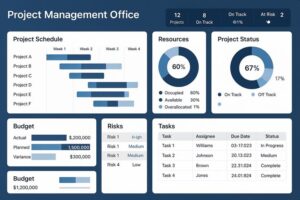
A project management school is an educational institution or training provider that teaches people the knowledge and practical skills required to plan, coordinate, execute, monitor, and close projects.
A project management program may cover areas such as:
- Project planning
- Project scope management
- Project scheduling
- Resource management
- Budget management
- Risk management
- Stakeholder management
- Team coordination
- Communication
- Project monitoring
- Project documentation
- Project reporting
- Project closure
When searching for a project management school in Port Harcourt, it is important to look beyond the name of the course. Two schools may offer courses with similar titles but provide very different learning experiences.
One may focus mainly on lectures and examinations, while another may allow learners to create project plans, manage simulated projects, prepare project reports, identify risks, and work through realistic business scenarios.
Why Choose a Project Management School in Port Harcourt?
Port Harcourt has a diverse professional and business environment. Organizations in technology, construction, engineering, oil and gas, logistics, finance, healthcare, education, telecommunications, consulting, and other industries regularly work on projects.
This creates opportunities for people with project coordination and management skills.
For example, a company may need to:
- Launch a new website
- Implement new business software
- Open a new office
- Develop a technology product
- Organize an event
- Introduce a new service
- Upgrade its internal systems
- Complete a construction project
- Improve an operational process
Each of these activities can involve objectives, deadlines, resources, stakeholders, risks, deliverables, and budgets.
A project management school in Port Harcourt can help learners develop the knowledge needed to understand and coordinate these activities.
What Should You Look for in a Project Management School in Port Harcourt?
Choosing a project management school in Port Harcourt should involve careful consideration of the school’s curriculum, instructors, practical training, learning structure, career support, and expected outcomes.
1. Practical Project Management Training
One of the first things to investigate is how much practical work is included.
Project management is not simply about memorizing definitions. Learners should have opportunities to apply what they study.
A practical project management school in Port Harcourt may give learners exercises involving:
- Creating project plans
- Developing schedules
- Defining project deliverables
- Creating work breakdown structures
- Identifying project risks
- Preparing stakeholder lists
- Creating status reports
- Monitoring project milestones
- Managing project changes
These activities can make it easier for learners to understand how project management concepts work in real situations.
2. Qualified and Supportive Instructors
The instructor can have a major influence on the learning experience.
When researching a project management school in Port Harcourt, consider whether instructors explain concepts clearly, provide feedback, answer questions, and connect theory to practical situations.
Project management involves decision-making, communication, organization, and problem-solving. These skills are often easier to develop when learners receive useful feedback while practicing.
3. One-on-One Learning
Some students learn more effectively when they can receive individualized attention.
Potenmunia Tech School uses a learning approach that includes a dedicated personal instructor for learners who choose its one-on-one training path.
This structure allows the instructor to provide personalized guidance, answer questions, review practical work, and adjust explanations to the learner’s progress.
For someone looking for a project management school in Port Harcourt, individualized instruction can be particularly useful when learning concepts that initially seem complicated.
4. Cohort-Based Learning
Not every learner wants one-on-one instruction.
Some people prefer learning alongside other students because group environments can provide opportunities for discussion, collaboration, and shared problem-solving.
A flexible project management school in Port Harcourt can therefore provide different learning options depending on the learner’s needs.
5. Real-World Project Experience
One important question to ask any project management school in Port Harcourt is:
Will I actually manage or work through a project during training?
Practical project experience can help learners understand how individual project management activities connect.
For example, a learner could be asked to plan a hypothetical technology project from beginning to completion.
They might need to:
- Define the project objective.
- Identify stakeholders.
- Determine project deliverables.
- Break the project into tasks.
- Develop a schedule.
- Identify risks.
- Allocate resources.
- Monitor progress.
- Prepare project reports.
- Complete project closure documentation.
This type of exercise can provide a much clearer understanding of project management than reading definitions alone.
What Do You Learn at a Project Management School?
The exact curriculum varies between schools, but a comprehensive program may introduce learners to several important areas.
Project Initiation
Project initiation is where the project is formally defined.
Learners may study:
- Project objectives
- Business needs
- Project requirements
- Stakeholders
- Project feasibility
- Initial project documentation
Project Planning
Planning establishes how the project will be executed.
Students may learn about:
- Scope
- Deliverables
- Activities
- Milestones
- Resources
- Timelines
- Communication
- Risks
Planning is one of the areas where practical exercises are particularly valuable.
Work Breakdown Structure
A work breakdown structure helps divide a project into smaller and more manageable components.
For example, a website development project might be divided into:
Website Project
- Research
- Requirements
- Design
- Content
- Development
- Testing
- Launch
- Maintenance
Breaking a large objective into smaller components can make it easier to organize responsibilities and monitor progress.
Project Scheduling
Project managers need to understand when activities should happen and how different tasks depend on one another.
A project schedule can identify:
- Tasks
- Start dates
- End dates
- Dependencies
- Milestones
- Responsible team members
Risk Management
Projects can encounter unexpected problems.
A project management school in Port Harcourt should ideally teach learners how to identify, analyze, monitor, and respond to project risks.
For example:
| Risk |
Possible Effect |
Response |
| Supplier delay |
Project delay |
Identify alternative suppliers |
| Staff absence |
Reduced productivity |
Prepare backup resources |
| Requirement changes |
Additional work |
Use change-control procedures |
| Technical problems |
Delivery delays |
Plan testing and technical support |
Stakeholder Management
Projects involve people with different interests and expectations.
Stakeholders can include:
- Clients
- Managers
- Employees
- Contractors
- Vendors
- Customers
- Government agencies
- Project sponsors
Project managers need to communicate appropriately with these groups throughout the project.
Project Monitoring
A project plan is not enough.
Teams must continually monitor progress to determine whether work is proceeding according to expectations.
Learners may practice creating:
- Project status reports
- Progress trackers
- Milestone reports
- Risk registers
- Action lists
- Project dashboards
Who Should Attend a Project Management School in Port Harcourt?
Project management training is not limited to people who already have the title “Project Manager.”
Students and Graduates
Students and graduates can use project management training to develop professional skills before entering the workplace.
Working Professionals
Professionals who already participate in projects can strengthen their planning, coordination, communication, and reporting abilities.
Entrepreneurs
Business owners manage projects regularly.
Launching a product, opening a new location, creating a website, introducing software, or organizing a major marketing campaign can all involve project management.
Technology Professionals
Software developers, data analysts, designers, cybersecurity professionals, and other technology workers often contribute to projects.
Understanding project management can help technical professionals communicate more effectively with project managers and other stakeholders.
Career Changers
People moving from another career into project coordination or project management can use structured training to build foundational knowledge.
Project Management School in Port Harcourt for Beginners
If you are completely new to project management, look for a project management school in Port Harcourt that starts with fundamentals rather than assuming you already understand professional terminology.
A beginner-friendly program should gradually introduce concepts such as:
- What a project management is
- What a project manager does
- Project lifecycle
- Project scope
- Project objectives
- Scheduling
- Risk management
- Stakeholder management
- Team communication
- Project documentation
After learning the fundamentals, students should have opportunities to apply them.
For example, a beginner could create a simple plan for launching a small business website.
This can demonstrate how project management concepts connect to everyday business activities.
Project Management School in Port Harcourt for Professionals
Professionals may have different needs from beginners.
Someone already working in operations, technology, administration, construction, or business may want to improve specific skills.
A professional-focused project management school in Port Harcourt may help learners strengthen areas such as:
- Project planning
- Team coordination
- Risk management
- Stakeholder communication
- Reporting
- Resource management
- Project documentation
- Leadership
- Problem-solving
Professionals can also use practical project exercises to identify gaps in their current knowledge.
Project Management Training and Technology
Technology has changed how many teams organize and manage projects.
Modern project teams may use digital platforms for:
- Task management
- Collaboration
- Scheduling
- Documentation
- Communication
- Reporting
- File management
- Progress tracking
However, learning software alone does not make someone a project manager.
A learner should first understand project management principles and then learn how digital tools can support those principles.
A practical project management school in Port Harcourt can combine both areas by teaching concepts alongside realistic project exercises.
How Potenmunia Tech School Approaches Project Management and Why Choose Potenmunia Tech School.
1. Practical, Hands-On Learning
We emphasize learning by doing, helping students apply concepts through exercises, assignments, and real-world projects.
2. Personalized One-on-One Training
Learners who choose our one-on-one option receive dedicated instructor support, individualized guidance, and feedback tailored to their learning needs.
3. Industry-Relevant Skills
Our training focuses on practical competencies, tools, and techniques that learners can apply to workplace tasks and professional projects.
4. Project-Based Experience
Students develop practical outputs that demonstrate their understanding, such as project plans, schedules, risk registers, data reports, portfolios, and other program-specific deliverables.
5. Career Readiness and Professional Development
We support learners in preparing for professional opportunities through CV development, portfolio building, interview preparation, job application guidance, and mentorship, depending on their program.
6. Flexible Learning Support
Our approach accommodates different learning needs, helping students build confidence, strengthen their understanding, and progress toward their learning goals.
7. Experienced, Guided Instruction
We provide structured learning with instructor guidance, practical demonstrations, feedback, and support throughout the training process.
8. Multiple Technology and Professional Development Pathways
Learners can explore programs in Data Analytics, Data Science, Artificial Intelligence, Cybersecurity, Software Development, Project Management, Digital Marketing, UI/UX Design, Cloud Computing, DevOps, and Administrative Skills.
9. Deliverable-Focused Training
We emphasize what learners can actually produce and demonstrate after training, not just the topics they have covered.
10. Learning With a Clear Purpose
Our goal is to bridge the gap between learning and application by helping students build useful skills, practical experience, professional confidence, and a stronger foundation for future opportunities.
Potenmunia Tech School — Learn Practically. Build Real Skills. Prepare for Opportunities.
What Can You Build During Project Management Training?
A strong practical program can allow learners to create a portfolio of project management documents.
Examples include:
Project Charter
A document that defines the project’s purpose, objectives, major stakeholders, and general direction.
Project Plan
A structured document explaining how the project will be executed and monitored.
Work Breakdown Structure
A breakdown of project deliverables and activities into manageable components.
Project Schedule
A timeline showing project activities, milestones, dependencies, and deadlines.
Risk Register
A document recording identified risks, their potential effects, and planned responses.
Stakeholder Register
A list of important stakeholders and information about their interests, influence, and involvement.
Status Report
A report communicating project progress, challenges, risks, completed work, and upcoming activities.
These examples can give learners practical evidence of their capabilities when preparing for professional opportunities.
Career Opportunities After Project Management Training
Completing a project management course does not automatically guarantee employment, but the skills can support several career paths.
Potential roles include:
- Project Coordinator
- Project Assistant
- Project Manager
- Project Administrator
- Operations Coordinator
- Implementation Specialist
- Program Coordinator
- Business Operations Associate
- Technology Project Coordinator
Requirements vary between employers.
Some positions may require degrees, professional certifications, industry experience, technical knowledge, or previous project experience.
This is why choosing a project management school in Port Harcourt should be part of a broader career-development plan.
Important Skills to Develop at a Project Management School
Communication
Project managers need to communicate information clearly to different groups.
Organization
Projects involve multiple activities, documents, deadlines, and people.
Problem-Solving
Unexpected issues are common in projects, making problem-solving an important professional skill.
Leadership
Project managers often coordinate people from different departments and backgrounds.
Time Management
Understanding deadlines, priorities, and task dependencies is important for project delivery.
Adaptability
Project requirements can change. Project professionals need to respond while keeping project objectives in view.
Documentation
Good documentation helps teams understand decisions, responsibilities, requirements, risks, and progress.
A Practical Project Management Example in Port Harcourt
Imagine a Port Harcourt business wants to launch an online customer portal.
The project team could include:
- Project manager
- UI/UX designer
- Software developer
- Content specialist
- Business representative
- Tester
The project manager would help coordinate the work.
The first step could be defining the objectives.
Next, the team could identify the required features and divide the work into manageable activities.
A basic schedule might look like:
Week 1: Requirements and planning
Week 2: User experience and interface design
Weeks 3–5: Development
Week 6: Testing
Week 7: Corrections and client review
Week 8: Launch
The project manager would also need to consider risks, stakeholder communication, resources, deadlines, and changes to requirements.
This type of scenario can be used by a project management school in Port Harcourt to help learners understand how project management principles apply to technology projects.
How Long Does Project Management Training Take?
The duration depends on the training provider, curriculum, learning format, and student’s existing knowledge.
A short introductory program may focus on fundamental concepts.
A more comprehensive program can include:
- Fundamentals
- Practical exercises
- Project documentation
- Digital tools
- Real-world scenarios
- Portfolio development
- Interview preparation
- Career support
Learning does not stop when a course ends.
Professional project management skills develop further through continued practice and workplace experience.
How to Compare Project Management Schools in Port Harcourt
Before selecting a project management school in Port Harcourt, consider asking these questions:
Curriculum
Does the curriculum cover the major areas of project management?
Practical Work
Will you actually complete project exercises?
Instructor Support
Can you ask questions and receive feedback?
Learning Format
Does the school offer one-on-one or cohort learning?
Portfolio
Will you produce practical project documents that demonstrate your skills?
Career Support
Does the school provide CV, interview, mentorship, or job application support?
Industry Relevance
Are the examples and projects connected to real workplace situations?
Future Skills
Does the program expose learners to relevant digital tools and emerging technology?
These questions can help you make a more informed decision.
Frequently Asked Questions About Project Management Schools in Port Harcourt
Which project management school in Port Harcourt should I choose?
Consider the curriculum, practical learning, instructor support, learning format, project experience, mentorship, and career-development services before making your choice.
Can I attend a project management school in Port Harcourt as a beginner?
Yes. Many project management programs can start with fundamental concepts, making the field accessible to people who have not previously worked as project managers.
Is project management useful in Nigeria?
Project management skills can be applied across many industries in Nigeria, including technology, construction, engineering, logistics, finance, consulting, healthcare, education, and business operations.
Can project management training help technology professionals?
Yes. Technology projects require planning, coordination, deadlines, stakeholder communication, resource management, and monitoring.
Do I need a university degree before studying project management?
Not necessarily. Entry requirements depend on the particular training provider and program. Employers may have separate requirements for specific jobs.
Is certification necessary for a project management career?
Certification can be useful for some career paths, but it is not the only factor employers consider. Practical experience, communication, organizational ability, relevant education, and demonstrated project skills can also matter.
What should I expect from a practical project management school?
You should look for opportunities to apply concepts through realistic exercises, project documentation, planning activities, risk scenarios, team exercises, and project simulations.
Can entrepreneurs benefit from project management training?
Yes. Entrepreneurs regularly manage activities with defined objectives, timelines, resources, deliverables, and stakeholders.
Conclusion
Finding the right project management school in Port Harcourt involves looking beyond course titles and certificates.
A useful training experience should help you understand project management concepts and apply them to realistic situations.
When comparing a project management school in Port Harcourt, consider practical training, instructor support, mentorship, project experience, learning format, portfolio development, interview preparation, and career guidance.
For beginners, the priority may be building a strong foundation. For professionals, the focus may be improving existing project coordination and leadership skills.
Potenmunia Tech School takes a practical approach to technology education, combining hands-on learning, individualized instruction options, mentorship, project work, and career-readiness support.
If you are researching project management schools in Port Harcourt, take time to compare what each program actually provides and consider the skills and practical outcomes you want to achieve.
You can also explore Wikipedia’s project management resource for additional general background before beginning your learning journey.
If you are searching for Project Management Training Programs in Nigeria in 2026, there are several learning paths to consider depending on your experience, career goals, and preferred learning style.
Project management is relevant across technology, construction, energy, finance, consulting, telecommunications, education, healthcare, marketing, and entrepreneurship. A well-designed Project Management Training Program can help learners develop the ability to plan projects, organize resources, coordinate teams, manage risks, monitor progress and deliver defined outcomes.
However, not all Project Management Training Programs have the same purpose. Some are designed for beginners, while others focus on Agile methodologies, Scrum, project planning, digital tools, or professional certification preparation.
This guide explains seven Project Management Training Programs worth considering in Nigeria and the key factors to examine before choosing one.
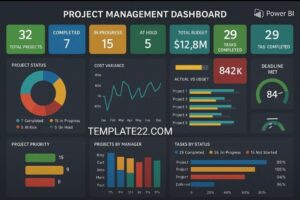
Project Management Training Programs are structured courses designed to teach the knowledge, skills, methods and tools used to manage projects.
A project normally has a defined objective, scope, timeline and resources. Project management provides a structured approach to organizing the work required to achieve that objective.
For example, a Nigerian technology company developing a new mobile application may need to coordinate developers, designers, testers, marketers and business stakeholders.
A project manager or project coordinator may need to determine:
- What needs to be completed
- Who is responsible for each activity
- When tasks should be completed
- What resources are required
- What risks could affect delivery
- How progress will be measured
- How stakeholders will receive updates
Good Project Management Training Programs teach learners how to approach these responsibilities systematically.
For general background and additional reading, you can explore Wikipedia.
Why Project Management Training Programs Matter in Nigeria
Organizations in Nigeria regularly undertake projects.
A company may launch a website, introduce new software, construct a facility, organize a marketing campaign, develop a product or implement a new business process.
Without proper coordination, projects can experience delays, unclear responsibilities, resource problems and communication gaps.
This is why Project Management Training Programs can be valuable for professionals across different industries.
Project management skills can also complement another professional specialization.
For example:
- A data analyst may participate in analytics projects.
- A software developer may work on application development projects.
- A marketing professional may coordinate campaigns.
- An entrepreneur may manage the development of a new product.
- An administrator may coordinate an organizational project.
Learning project management can therefore provide useful skills beyond the traditional project manager job title.
Project Management Training Programs to Consider in 2026
Different Project Management Training Programs address different learning needs. The following seven categories can help learners identify the type of training that matches their goals.
1. Project Management Fundamentals Training Programs
Project management fundamentals are a logical starting point for beginners.
These Project Management Training Programs introduce the core principles of project delivery without assuming that learners already have extensive professional experience.
A fundamentals program may cover:
- Project concepts
- Project objectives
- Project life cycles
- Project initiation
- Project planning
- Project scope
- Scheduling
- Resource management
- Risk management
- Stakeholder management
- Communication
- Project monitoring
- Project closure
A beginner could apply these concepts to a simple practical exercise.
For example, imagine that a small company wants to launch a new website. A learner could create a project plan covering requirements gathering, design, development, testing, content preparation and launch.
This type of exercise helps learners understand how project management concepts work in practice.
2. Agile Project Management Training Programs
Agile project management is another important area when evaluating Project Management Training Programs.
Agile approaches emphasize adaptability, collaboration, iterative work and continuous feedback.
Agile Project Management Training Programs may introduce concepts such as:
- Iterative development
- Backlogs
- Sprints
- Prioritization
- Team collaboration
- Reviews
- Retrospectives
- Continuous improvement
- Customer feedback
Agile training can be particularly relevant to people working in technology and software environments.
For example, a software team building an e-commerce application may develop and review individual features throughout the project instead of waiting until the entire application has been completed.
3. Scrum Training Programs
Scrum is a framework commonly associated with Agile product development.
Scrum-focused Project Management Training Programs can introduce learners to concepts such as:
- Product backlogs
- Sprint planning
- Sprint goals
- Daily Scrum
- Sprint reviews
- Sprint retrospectives
- User stories
- Product increments
- Team responsibilities
These Project Management Training Programs can be useful for technology professionals who expect to work with collaborative development teams.
Learners should distinguish between a Scrum training course and an official certification. A training provider may teach Scrum without being the organization that awards a particular professional certification.
4. Project Planning and Scheduling Training Programs
Planning and scheduling are central components of project management.
These Project Management Training Programs teach learners how to transform broad objectives into specific activities, responsibilities and timelines.
Consider a company planning to launch an online platform.
The project could involve:
- Gathering requirements
- Defining project scope
- Designing the user experience
- Developing the platform
- Creating content
- Testing the platform
- Correcting identified problems
- Preparing for launch
- Monitoring performance after launch
Project planning training can help learners understand task dependencies, milestones, deadlines and resource requirements.
Practical Project Management Training Programs should give learners opportunities to create their own project schedules rather than only explaining scheduling concepts theoretically.
5. Project Risk Management Training Programs
Risk management is another important component of effective project management.
Risk-focused Project Management Training Programs teach learners how to identify potential problems, assess their effects and prepare appropriate responses.
Common project risks can include:
- Delayed deliverables
- Staff availability problems
- Changing requirements
- Budget constraints
- Technical problems
- Supplier delays
- Communication issues
- Unexpected dependencies
Learners can practice risk management by creating a risk register.
| Risk |
Probability |
Impact |
Possible Response |
| Key team member unavailable |
Medium |
High |
Identify backup resources |
| Requirements change |
Medium |
Medium |
Establish change-control process |
| Testing takes longer than expected |
Medium |
High |
Include contingency time |
| Supplier delivery is delayed |
Low |
High |
Identify alternatives |
This type of practical activity makes Project Management Training Programs more connected to real workplace situations.
6. Digital Project Management Training Programs
Technology has changed how project teams organize their work.
Digital project management Project Management Training Programs can introduce learners to software and digital workflows used for:
- Task management
- Scheduling
- Team collaboration
- Documentation
- Reporting
- Workflow management
- Progress tracking
- Communication
Learning digital tools is useful, but learners should not confuse software knowledge with complete project management knowledge.
Knowing how to create a task is different from understanding how that task fits into project scope, dependencies, priorities and deadlines.
The strongest Project Management Training Programs combine tool knowledge with project management principles.
7. Professional Project Management Certification Training Programs
Some Project Management Training Programs are designed to prepare learners for professional certification examinations.
Certification-focused training can be useful for professionals who already have project experience or want to follow a structured professional development pathway.
Before enrolling in certification-focused Project Management Training Programs, check:
- Certification eligibility
- Examination requirements
- Examination fees
- Training requirements
- Renewal requirements
- Course duration
- Whether examination fees are included
- Whether the training provider is officially authorized where applicable
A certificate can demonstrate structured learning, but practical skills and professional experience remain important.
What Do Project Management Training Programs Teach?
Although curricula vary, comprehensive Project Management Training Programs often cover several core areas.
Project Initiation
Learners study how projects are defined, why they are being undertaken and what outcomes they are expected to produce.
Project Scope
Scope defines what the project is expected to deliver and helps establish boundaries around the work.
Project Planning
Planning involves determining activities, resources, responsibilities, timelines and deliverables.
Project Scheduling
Scheduling helps teams organize activities and understand dependencies between tasks.
Resource Management
Projects require people, time, money, equipment and other resources. Training should explain how these resources affect delivery.
Risk Management
Learners should understand how to identify, assess and respond to potential project risks.
Stakeholder Management
Projects involve stakeholders with different expectations and interests. Communication and stakeholder management are therefore important parts of many Project Management Training Programs.
Project Monitoring
Project managers need to compare actual progress with planned progress.
Project Reporting
Reports allow teams and stakeholders to understand what has been completed, what is currently happening, what problems exist and what should happen next.
How to Choose Project Management Training Programs in Nigeria
There are many Project Management Training Programs available through different learning formats. Choosing one requires careful consideration.
1. Consider Your Experience
Beginners should generally look for foundational training.
Professionals with existing experience may benefit more from specialized or advanced Project Management Training Programs.
2. Examine the Curriculum
Do not choose a course based only on its title.
Review whether the curriculum includes important topics such as:
- Planning
- Scope
- Scheduling
- Resources
- Risk
- Communication
- Stakeholders
- Monitoring
- Reporting
3. Look for Practical Projects
A practical Project Management Training Program should give learners opportunities to apply what they learn.
Examples include creating:
- Project charters
- Work breakdown structures
- Project schedules
- Risk registers
- Status reports
- Communication plans
- Project dashboards
4. Consider Instructor Support
Instructor feedback can help learners identify mistakes and improve their practical work.
One-on-one instruction can be especially useful when learners need personalized explanations or additional guidance.
5. Compare Learning Formats
Project Management Training Programs may be delivered through:
- One-on-one sessions
- Cohort classes
- In-person learning
- Online learning
- Hybrid learning
Choose a format that matches your schedule and preferred learning environment.
6. Examine Career Support
If your objective is employment, look beyond classroom instruction.
Some training environments may provide support with:
- CV development
- Portfolio building
- Interview preparation
- Job applications
- Mentorship
7. Consider Certification Requirements
If certification is part of your career plan, confirm whether the course provides certification, prepares you for an external examination or simply provides a certificate of course completion.
For people searching for Project Management Training Programs in Port Harcourt, local learning options can provide an opportunity to develop practical project management skills within a Nigerian environment.
Port Harcourt has professional activity across sectors such as technology, energy, construction, education, consulting, services and entrepreneurship.
Project management knowledge can be applied across these areas.
For example, a learner could practice project management by developing a plan for:
- A technology startup
- A website development project
- A mobile application
- A digital marketing campaign
- A business process implementation
- A corporate training event
- A new product launch
The objective is to take project management theory and apply it to realistic situations.
Potenmunia Tech School emphasizes practical and career-focused technology education.
Its approach to Project Management Training Programs can involve hands-on learning rather than relying entirely on traditional lectures.
One distinctive feature is one-on-one learning with a dedicated personal instructor. This approach allows learners to receive individualized explanations, feedback and mentorship.
Practical exercises can also help learners build evidence of their skills.
For example, a learner completing project management training could develop a portfolio containing:
- A project charter
- Project objectives
- Work breakdown structure
- Project schedule
- Risk register
- Stakeholder communication plan
- Project status report
- Project completion report
These deliverables can demonstrate how the learner applies project management concepts.
Career preparation can also form part of the learning journey. CV and portfolio development, structured interview preparation and job application guidance can help connect training with professional development.
The combination of practical projects, mentorship and career-focused learning gives learners opportunities to develop skills that extend beyond simply completing a course.
Project Management Training Programs for Beginners
Beginners should not feel pressured to start with advanced project management topics.
A beginner-focused Project Management Training Program can introduce concepts gradually.
A typical learning pathway may cover:
- Understanding projects
- Defining project objectives
- Identifying stakeholders
- Defining project scope
- Creating project plans
- Building schedules
- Managing resources
- Identifying risks
- Communicating with stakeholders
- Monitoring project progress
- Closing projects
Once these fundamentals are understood, learners can progress into Agile, Scrum, digital project management and professional certification preparation.
Project Management Training Programs for Professionals
Professionals may require more specialized Project Management Training Programs.
Advanced areas can include:
- Agile project management
- Scrum
- Risk management
- Stakeholder management
- Project leadership
- Digital project management
- Project reporting
- Strategic planning
- Certification preparation
Professionals can also combine project management with existing technical skills.
For example:
Data Analytics + Project Management can provide knowledge of both analytical work and project delivery.
Software Development + Project Management can combine technical expertise with planning and coordination.
Digital Marketing + Project Management can help professionals coordinate campaigns involving multiple teams and deadlines.
Career Opportunities After Project Management Training
Completing Project Management Training Programs can support several career directions.
Depending on experience and qualifications, possible roles include:
- Project Coordinator
- Project Manager
- Project Support Officer
- Program Coordinator
- Operations Coordinator
- Implementation Specialist
- Product-related roles
- Scrum-related roles
- Business Operations roles
Job requirements differ between employers, industries and levels of seniority.
For this reason, learners should combine formal training with practical experience wherever possible.
How Long Do Project Management Training Programs Take?
The duration of Project Management Training Programs varies according to the curriculum, learning format and objectives.
An introductory program may take several weeks, while comprehensive training or certification preparation can take longer.
Factors affecting duration include:
- Course content
- Number of practical sessions
- Learning format
- Instructor support
- Learner experience
- Certification objectives
- Independent practice
A shorter program is not automatically more suitable. Consider what you will actually learn and how much opportunity you will have to practice.
Practical Checklist for Choosing Project Management Training Programs
Before enrolling in Project Management Training Programs, ask:
- Is the program suitable for my experience level?
- Does it teach project planning?
- Does it cover project scheduling?
- Does it include risk management?
- Does it teach stakeholder communication?
- Are practical projects included?
- Will an instructor review my work?
- Will I learn project management tools?
- Is mentorship available?
- Is certification included?
- Is certification preparation available?
- What are the complete costs?
- What learning format is offered?
- Is career support available?
- Can I build portfolio evidence?
This checklist can help you evaluate Project Management Training Programs based on your actual learning and career objectives.
Frequently Asked Questions About Project Management Training Programs
What are Project Management Training Programs?
Project Management Training Programs are structured educational courses that teach learners how to plan, organize, execute, monitor and close projects.
Which Project Management Training Programs are suitable for beginners?
Beginners can start with foundational Project Management Training Programs covering project planning, scope, scheduling, resources, communication and risk management.
Can I study project management without a technical background?
Yes. Project management is used across many industries, and many project management responsibilities do not require programming or an engineering background.
Are Project Management Training Programs useful for technology professionals?
Yes. Technology professionals often work on projects and can benefit from skills in planning, scheduling, requirements management, communication and delivery.
Do Project Management Training Programs include certification?
Some programs include certification or certification preparation, while others provide only a course-completion certificate. Always confirm exactly what the program provides.
How much do Project Management Training Programs cost in Nigeria?
Costs vary depending on the provider, curriculum, duration, learning format, instructor support and certification arrangements. Compare the complete cost rather than looking only at the advertised course price.
Can Project Management Training Programs help with employment?
Project management training can help develop relevant knowledge and skills, but employment depends on several factors, including practical ability, qualifications, experience and employer requirements.
Can I study Project Management Training Programs in Port Harcourt?
Yes. Learners in Port Harcourt can explore local training providers and compare their curricula, practical learning, instructor support, learning formats and career-development services.
C0nclusion
Choosing between Project Management Training Programs should begin with your career objective, current experience and preferred learning style.
Beginners may benefit from foundational project management training. Technology professionals may want Agile, Scrum or digital project management skills. Experienced professionals may consider advanced training or certification preparation.
Whatever your starting point, practical application is important.
Look for Project Management Training Programs that allow you to create project plans, schedules, risk registers, reports and other practical deliverables.
For learners in Port Harcourt, practical project management education can also be combined with mentorship, portfolio development, interview preparation and broader career support.
If you are comparing Project Management Training Programs in Nigeria in 2026, evaluate each option based on its curriculum, practical experience, instructor support, learning format and relevance to your career goals.
For additional general information, you can visit Wikipedia and explore its educational resources.
Choosing a Project Management Tech School is an important decision for anyone who wants to build practical project management skills for today’s technology-driven workplace. A good Project Management Tech School should go beyond explaining project management theory. It should help learners understand how to plan, organize, execute, monitor, and complete technology projects.
For students and professionals in Port Harcourt, finding the right Project Management Tech School can provide an opportunity to develop skills that apply to software development, digital products, data projects, IT implementation, business automation, and other technology initiatives.
This guide explains what a Project Management Tech School is, what students should learn, what to look for when choosing a program, and how practical project management training can support a technology career.
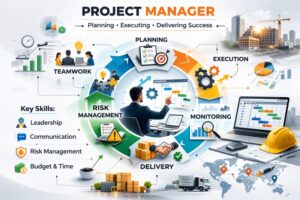
A Project Management Tech School is a training environment that combines project management education with practical technology applications.
Traditional project management covers important areas such as planning, scope, scheduling, budgeting, resources, risks, communication, and stakeholder management. A Project Management Tech School adds technology-focused examples and workflows to these fundamentals.
This can be particularly useful for people who want to manage projects involving:
- Software development
- Websites and web applications
- Mobile applications
- Data analytics
- Digital transformation
- IT systems
- Cloud technologies
- Business automation
- Digital marketing
- Technology products
Project management itself involves organizing people, resources and activities to achieve defined objectives. Learners can explore broader background information about project management through Wikipedia.
Why Choose a Project Management Tech School?
Technology projects can involve multiple people with different responsibilities. A software developer may focus on programming, a designer may focus on user experience, a data analyst may work with information and a client may focus on business objectives.
Someone needs to coordinate these activities.
A Project Management Tech School can help learners understand how these different responsibilities fit together.
Instead of learning project management only through theoretical examples, students can work with technology-based scenarios and learn how to make decisions throughout the project lifecycle.
For example, imagine a team building an online booking platform in Port Harcourt. A project manager may need to coordinate:
- Project requirements
- Product design
- Development tasks
- Testing
- Client communication
- Deadlines
- Risk management
- Project documentation
- Launch activities
A Project Management Tech School can use scenarios like this to help learners understand the practical side of managing technology projects.
What Should You Learn at a Project Management Tech School?
A strong Project Management Tech School should provide a balanced combination of project management fundamentals, technology awareness and practical application.
Project Planning
Project planning is one of the foundations of project management.
Students at a Project Management Tech School should learn how to:
- Define project objectives
- Identify deliverables
- Establish project scope
- Break large activities into smaller tasks
- Identify stakeholders
- Create project schedules
- Establish milestones
- Allocate responsibilities
For example, instead of giving a development team the vague instruction to “build a website,” a project manager should help define exactly what the website must accomplish.
Scope Management
Scope determines what is included in a project and what is not.
Poor scope management can lead to confusion and uncontrolled changes.
A Project Management Tech School should therefore teach students how to document project requirements and manage changes when they occur.
Scheduling
Technology projects contain tasks that often depend on one another.
A Project Management Tech School can teach learners how to create schedules, identify dependencies, establish deadlines and monitor milestones.
Students should understand not only how to create a timeline but also how to adjust it when circumstances change.
Risk Management
Every technology project has potential risks.
Examples include:
- Changing requirements
- Technical problems
- Delayed approvals
- Limited resources
- Budget changes
- Team availability
- Integration problems
- Unexpected development challenges
At a Project Management Tech School, learners can practice identifying risks before they become major problems.
Agile and Scrum
Many technology teams use Agile approaches to organize development and respond to changing requirements.
A Project Management Tech School may introduce learners to concepts such as:
- Sprints
- Product backlogs
- User stories
- Sprint planning
- Reviews
- Retrospectives
- Daily stand-ups
The goal should not simply be memorizing terminology. Students should understand how these concepts can be applied to actual technology projects.
Stakeholder Management
Technology projects involve stakeholders with different expectations.
A project manager may communicate with developers, designers, business owners, customers, executives and other team members.
A Project Management Tech School should therefore teach communication skills alongside technical project management concepts.
Project Management Tools
Digital tools are an important part of modern project management.
Depending on the program, students may learn how project management platforms can be used for:
- Task tracking
- Scheduling
- Collaboration
- Documentation
- Reporting
- Team communication
- Progress monitoring
The important objective is understanding how tools support project management rather than simply learning where to click.
Things that Makes Potenmunia Tech School Different from Others in a Project Management
1. Practical Project-Based Learning
A Potenmunia Tech School should give learners opportunities to apply what they learn.
For example, students could manage a simulated technology project from beginning to end.
They might create:
- A project charter
- Project scope
- Work breakdown structure
- Project schedule
- Risk register
- Stakeholder matrix
- Communication plan
- Status report
This type of practical activity can make project management concepts easier to understand.
2. Dedicated Instruction and Mentorship
Project management involves decision-making, communication and problem-solving.
An instructor should be able to provide feedback when a learner makes mistakes or struggles with a particular concept.
At Potenmunia Tech School, the one-on-one learning model pairs learners with a dedicated instructor who can provide individualized guidance, feedback and mentorship.
This can be particularly useful when a learner needs additional explanation or wants to progress at a different pace.
3. Technology-Focused Examples
A Potenmnuia Tech School expose learners to technology-related projects.
Examples include:
- Software projects
- Website projects
- Mobile applications
- Data analytics projects
- IT implementation projects
- Digital transformation projects
- Business automation projects
Technology-focused examples allow students to understand how project management works in environments where technical teams are involved.
4. Portfolio Development
A Potenmunia Tech School also help learners create evidence of practical skills.
A project management portfolio could contain:
- Project plans
- Project schedules
- Risk registers
- Stakeholder documentation
- Agile planning documents
- Project reports
- Project presentations
These materials can help demonstrate practical knowledge when discussing skills with employers or clients.
5. Interview Preparation
Learning project management is only one part of preparing for a career.
Potenmunia Tech School can also provide interview preparation.
Students may practice explaining how they would:
- Handle a delayed project
- Resolve team disagreements
- Communicate with difficult stakeholders
- Prioritize competing tasks
- Manage project risks
- Respond to changing requirements
At Potenmunia Tech School, structured interview preparation can be incorporated into the broader career-readiness process.
6. Flexible Learning Options
Learners have different schedules and preferences.
A Project Management Tech School may offer:
- One-on-one learning
- Cohort-based learning
- Practical sessions
- Mentorship
- Flexible training arrangements
Having different learning paths can make it easier for students and working professionals to select an approach that fits their circumstances.
7. AI and Future-Skills Exposure
Modern technology is changing how teams work.
Potenmunia Tech School help learners understand how AI and digital tools can support activities such as:
- Documentation
- Research
- Reporting
- Task organization
- Meeting summaries
- Project analysis
- Communication
However, project management still requires human skills such as leadership, communication, judgment and collaboration.
Project Management Tech School vs Traditional Project Management Training
There is significant overlap between general project management training and a technology-focused Project Management Tech School.
General project management may cover:
- Planning
- Scheduling
- Scope
- Resources
- Risks
- Stakeholders
- Communication
A Project Management Tech School can add greater emphasis on:
- Software projects
- Digital products
- Agile workflows
- Technology teams
- Digital project tools
- Technology-related case studies
- Technical team collaboration
The right option depends on the learner’s career goals.
Someone who wants to manage software, data or digital projects may find technology-focused project management education particularly relevant.
Port Harcourt has a growing technology and business environment, creating opportunities for professionals who understand how to organize and deliver digital projects.
A learner searching for a Project Management Tech School in Port Harcourt should consider whether the training reflects realistic workplace situations.
For example, students could practice managing projects involving:
- Business websites
- Mobile applications
- Data dashboards
- Business automation
- Digital marketing campaigns
- Software products
- IT implementations
The closer the practical exercises are to real project situations, the easier it can be for learners to understand how project management concepts work outside the classroom.
Project Management Tech School and Career Development
A Project Management Tech School can provide a foundation for people interested in technology project management.
Potential career directions include:
- Project Coordinator
- Project Manager
- IT Project Manager
- Technology Project Coordinator
- Digital Project Manager
- Scrum Master
- Implementation Coordinator
- Program Support roles
However, completing a training program does not automatically guarantee employment.
Professional experience, communication skills, education, practical project experience, certifications and employer requirements can all influence career opportunities.
This is why practical training and portfolio development can be valuable additions to classroom learning.
Practical Project Management Skills You Can Develop
A Project Management Tech School should help students develop skills they can apply to real situations.
These may include:
- Project planning
- Time management
- Task prioritization
- Risk management
- Scope management
- Stakeholder communication
- Team coordination
- Agile project management
- Documentation
- Problem-solving
- Presentation
- Reporting
- Project monitoring
- Leadership
These skills are not limited to technology. Project management knowledge can also be useful in business, consulting, education, marketing and other industries.
Potenmunia Tech School takes a practical approach to technology education in Port Harcourt.
For learners studying project management, practical sessions can provide opportunities to apply concepts rather than relying entirely on lectures.
The one-on-one learning option provides learners with a dedicated instructor for individualized support. Cohort-based learning is also available for people who prefer learning alongside other students.
Project-based activities can help learners develop practical documentation and understand how project management decisions are made.
The career-focused approach can also extend beyond technical instruction. Learners can receive support related to CV development, portfolio building, interview preparation and job applications.
The objective is to connect learning with practical outcomes.
How to Choose a Project Management Tech School
Before choosing a Project Management Tech School, ask several practical questions.
Does the school provide hands-on projects?
Find out whether learners actually manage project scenarios or simply listen to lectures.
Does the curriculum cover technology projects?
If you want to work in technology, look for software, digital or IT-related project examples.
Is there instructor support?
Consider whether you can receive feedback when you have difficulty understanding a topic.
Can you build a portfolio?
Ask whether the training produces practical project documents that can demonstrate your skills.
Is career preparation included?
Find out whether the program provides interview preparation, CV support or other career guidance.
Are there different learning formats?
Consider whether one-on-one or cohort learning is more suitable for your circumstances.
Does the curriculum address modern technology?
A current Project Management Tech School should consider modern tools, digital workflows and the growing role of AI.
A portfolio can demonstrate what you understand even when you are still developing professional experience.
Consider creating a fictional technology project such as:
Project: Customer Booking Application
Then document:
Objective:
Develop a digital platform that allows customers to view services and make bookings.
Scope:
Define the features included in the first release.
Stakeholders:
Identify customers, business owners, developers and other relevant parties.
Work Breakdown:
Divide the project into research, design, development, testing and launch.
Schedule:
Create milestones and deadlines.
Risk Register:
Identify potential risks and planned responses.
Communication Plan:
Explain how project information will be communicated.
Final Report:
Summarize project performance and lessons learned.
A Project Management Tech School can use exercises like this to help learners turn theoretical knowledge into practical evidence.
Frequently Asked Questions
What is a Project Management Tech School?
A Project Management Tech School is a training institution or program that teaches project management with an emphasis on technology-related projects, digital workflows and practical application.
Is a Project Management Tech School suitable for beginners?
Yes. Beginners can start by learning project planning, scheduling, scope management, communication, risk management and other fundamentals.
Do I need programming skills to study at a Project Management Tech School?
No. Programming is not generally required for project management. However, basic knowledge of technology workflows can help when working with technical teams.
What can I learn at a Project Management Tech School?
Depending on the curriculum, students may learn project planning, Agile methods, risk management, stakeholder management, scheduling, communication, project documentation and digital project management tools.
Can a Project Management Tech School help with career preparation?
Some schools provide career-focused services such as CV development, portfolio building, interview preparation, mentorship and job application support.
How important are practical projects?
Practical projects can help learners apply project management concepts and produce evidence of their skills.
Can project management lead to a technology career?
Project management can support careers involving software development, IT, digital products, data projects and other technology initiatives. Career progression depends on experience, skills and the requirements of individual employers.
Where can I find a Project Management Tech School in Port Harcourt?
When evaluating a Project Management Tech School in Port Harcourt, compare curriculum, practical training, instructor support, learning format, portfolio development and career preparation before making a decision.
Conclusion
A Project Management Tech School can provide a useful pathway for learners who want to understand how technology projects are planned, coordinated and delivered.
The most valuable programs do more than introduce terminology. They give learners opportunities to work through realistic scenarios, create project documentation, receive feedback and understand how project management works alongside technology teams.
If you are searching for a Project Management Tech School in Port Harcourt, consider practical learning, mentorship, portfolio development, career preparation and exposure to modern technology when comparing your options.
Potenmunia Tech School provides practical technology education in Port Harcourt, with one-on-one and cohort learning options, project-based sessions, mentorship and career-focused support. Learners can explore the available learning paths and determine which approach aligns with their professional goals.
Nigeria’s economy runs on projects, and that’s exactly why top project management careers in Nigeria keep showing up as a search topic for job seekers. From oil and gas installations in the Niger Delta to fintech launches in Lagos and infrastructure builds in Port Harcourt, every one of these needs someone to keep scope, budget, timeline, and people aligned, which is why so many people are now actively researching top project management careers in Nigeria before choosing a training path.
As Nigerian companies formalize their operations, the range of top project management careers in Nigeria has widened well beyond construction into tech, telecoms, and oil and gas. According to Wikipedia, project management is broadly defined as the process of leading a team’s work to achieve goals within given constraints — a definition that maps closely onto how the role is practiced across Nigeria’s biggest industries.
If you’re weighing a move into one of the top project management careers in Nigeria, the honest starting point isn’t “is project management in demand?” it clearly is , but “which of the top project management careers in Nigeria fits your background, and what do you actually need to learn to get hired.”
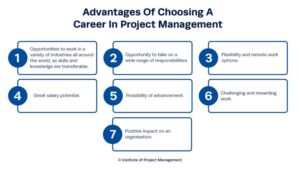
Strip away the job-title glamour, and every one of the top project management careers in Nigeria shares the same core loop: turn a defined goal into a delivered outcome, on time and within budget, with a team that isn’t burned out or confused along the way.
In practice, this means:
- Defining scope and breaking it into achievable milestones
- Managing budgets and resource allocation
- Coordinating cross-functional teams (engineers, designers, vendors, finance)
- Identifying and mitigating risk before it becomes a crisis
- Communicating progress to stakeholders who don’t want jargon, just clarity
- Closing out projects with documented lessons learned
The title changes by industry, but this loop is what sits underneath nearly all of the top project management careers in Nigeria.
Top Project Management Careers in Nigeria
Construction & Engineering Project Manager
One of the most established of the top project management careers in Nigeria. Real estate development, road construction and industrial builds all need people who can manage contractors, timelines, safety compliance and material logistics. Port Harcourt’s industrial base makes this one of the steadier top project management careers in Nigeria for engineering-minded professionals.
IT/Software Project Manager
As Nigerian tech companies scale, IT project management has become one of the fastest-growing top project management careers in Nigeria, blending traditional planning with Agile sprint cycles and release management.
Oil & Gas Project Manager
Given the Niger Delta’s role in Nigeria’s energy sector, oil and gas project management remains among the highest-paying top project management careers in Nigeria. It typically demands technical/engineering grounding alongside formal PM training and HSE (health, safety, environment) compliance knowledge.
NGO/Development Project Manager
Nigeria hosts a large concentration of development and humanitarian organizations, making NGO project management one of the more mission-driven top project management careers in Nigeria. These roles use donor-reporting frameworks like the Logical Framework Approach.
Agile/Scrum-Focused Roles (Scrum Master, Product Owner)
As fintechs and startups adopt Agile, Scrum Master and Product Owner roles have emerged as distinct top project management careers in Nigeria, rewarding people comfortable with iterative delivery and close collaboration with engineering teams.
Skills You Need for the Top Project Management Careers in Nigeria
Technical & Methodology Skills
- Understanding of project lifecycle frameworks (Waterfall, Agile, Hybrid)
- Budgeting and resource planning
- Risk assessment and mitigation planning
- Reading Gantt charts, critical path analysis, and work breakdown structures
Soft Skills That Employers Actually Screen For
Across nearly all of the top project management careers in Nigeria, most failures aren’t technical — they’re communication failures. Employers consistently prioritize:
- Stakeholder communication
- Conflict resolution across teams with competing priorities
- Negotiation, especially around scope and resourcing
- Composure under shifting deadlines
Tools Nigerian Project Managers Are Expected to Know
- Project tracking: Trello, Asana, Jira, Microsoft Project
- Communication: Slack, Microsoft Teams
- Documentation: Google Workspace, Notion
Certifications That Matter for Top Project Management Careers in Nigeria
- PMP (Project Management Professional) — the most recognized globally, and increasingly expected across the top project management careers in Nigeria in oil and gas, construction, and multinational firms
- CAPM (Certified Associate in Project Management) — a lighter entry point
- PRINCE2 — recognized in NGO and UK-linked organizations
- Certified ScrumMaster (CSM) / PSM — valuable specifically for IT-focused top project management careers in Nigeria
Certification alone rarely secures one of the top project management careers in Nigeria on its own what moves the needle is certification paired with a real project portfolio.
Salary Expectations Across the Top Project Management Careers in Nigeria
Salaries vary widely by industry, seniority, and whether the employer is local or multinational:
- Entry-level/coordinator roles: lower band, often a stepping stone
- Mid-level project managers (3–6 years, certified): meaningfully higher
- Senior/oil & gas/multinational roles: the top of the market among top project management careers in Nigeria
Because ranges shift yearly, checking current listings on Jobberman and LinkedIn for your specific target sector is more reliable than a fixed figure.
How to Break Into One of the Top Project Management Careers in Nigeria
- Pick a sector, not just a title.
- Get grounded in one methodology first.
- Build a real project artifact — a plan, risk register, or Gantt chart from an actual project.
- Pursue a certification aligned to your target sector.
- Practice explaining trade-offs, not just processes.
- Start smaller if needed — a project coordinator role is a legitimate entry point into the top project management careers in Nigeria.
Potenmunia Tech School structures its training around the gap most career-switchers hit when chasing the top project management careers in Nigeria: knowing the theory but never applying it under real conditions. Each learner works with a dedicated personal instructor, with pacing and focus matched to the specific track — construction, IT/Agile, or NGO-style program management.
Sessions are hands-on: learners leave with a real project plan, risk register and stakeholder communication artifacts they can show in interviews. Structured interview prep, CV and portfolio support, and guidance on applying for roles are built into the training, not offered as an afterthought.
Frequently Ask Questions
Is project management a good career in Nigeria right now?
Yes — among the top project management careers in Nigeria, construction, oil and gas, and IT/tech show the steadiest demand as formal project delivery becomes standard practice.
Do I need an engineering degree for the top project management careers in Nigeria?
No, not for all of them. Construction and oil and gas roles often benefit from a technical background, but IT, NGO and general business project management roles are open to varied academic backgrounds.
Is PMP certification worth it in Nigeria?
For mid-to-senior roles across the top project management careers in Nigeria especially oil and gas, construction, and multinationals — PMP is widely recognized. For entry-level roles, it’s helpful but not always essential day one.
What’s the difference between a project coordinator and a project manager?
A coordinator supports logistics and scheduling under a project manager’s direction; a project manager owns scope, budget, risk and outcome.
Can I move into project management without prior experience?
Yes, but it usually requires a visible project artifact alongside training, since employers want evidence of applied skill.
Conclusion
The top project management careers in Nigeria aren’t one path they’re several, branching by industry, each with its own tools and certifications. The strongest way in is picking a sector, building one real, demonstrable project skill set, and being able to talk through the messy parts of delivery.
If you’re exploring which of the top project management careers in Nigeria fits your background, it’s worth looking at training that lets you build that real project experience directly.
If you’ve been searching for the best place to learn project management in Port Harcourt, you’ve probably noticed the market is crowded — everyone claims to be the best place to learn project management in Port Harcourt, which makes it hard to tell marketing from substance. This guide is meant to help you evaluate, on your own terms, what the best place to learn project management in Port Harcourt actually looks like for someone in your situation.
Project management, as defined on Wikipedia, is the process of leading the work of a team to achieve goals and meet success criteria within a specified time. Good training does two things: it teaches the frameworks (timelines, budgets, risk, stakeholder communication), and it gives you practice applying them to something close to a real project. When you’re comparing options for the best place to learn project management in Port Harcourt, this practical component is the first thing to check.
Who Is Project Management Training For?
Career switchers. Many people in Port Harcourt come from oil and gas, banking, admin or education backgrounds and want to move into project coordination roles. For this group, the best place to learn project management in Port Harcourt is usually one with a slower, foundational pace.
Fresh graduates. Project management is attractive to graduates because it’s transferable across industries — which is part of why so many schools now market themselves as the best place to learn project management in Port Harcourt.
Working professionals already doing PM work informally. For this group, the best place to learn project management in Port Harcourt is less about starting from zero and more about formalizing skills they already use.
What to Look for in a Program in Port Harcourt
Practical, project-based learning. The biggest differentiator between a useful course and a wasted one is whether you actually plan and manage something during training. This single factor, more than branding, should decide which is the best place to learn project management in Port Harcourt for you.
Instructor access and mentorship. Project management is judgment-heavy. Programs where you can ask “what would you actually do here?” tend to outperform self-paced-only options — another reason instructor access matters when judging the best place to learn project management in Port Harcourt.
Tools taught, not just concepts. Employers expect familiarity with tools like Trello, Asana, Microsoft Project or Jira.
Career support after the certificate. A certificate alone rarely gets someone hired. The best place to learn project management in Port Harcourt will also help you turn that certificate into a CV and portfolio recruiters take seriously.
Popular Certifications and Frameworks
CAPM (Certified Associate in Project Management). A good entry point for people with limited project experience.
PMP (Project Management Professional). The most recognized credential globally, per the Project Management Institute, though it requires documented project experience before sitting the exam.
PRINCE2. Common in UK-influenced corporate and government environments.
Agile / Scrum. Increasingly relevant for tech and product-adjacent project roles.
A Practical Checklist Before You Enroll Anywhere
- Does the syllabus include a real or simulated project?
- Will you get direct instructor access, not just pre-recorded content?
- Are industry-standard tools part of the curriculum?
- Does the program help with CV and interview prep specific to PM roles?
- Is there a cohort or one-on-one option that fits how you learn?
- Can past learners show real project work, not just certificates?
Working through this checklist against any option you’re considering is the most reliable way to identify the best place to learn project management in Port Harcourt for your specific starting point more reliable than any single school’s own claim to the title.
At Potenmunia Tech School, project management training is built around learning by doing, with a dedicated one-on-one instructor rather than a one-size-fits-all class. Learners work through planning, scheduling, risk and stakeholder communication by applying them to a real, hands-on project — then get support turning that work into a portfolio piece, a CV, and interview preparation for scenario-based PM interview questions.
Both one-on-one and cohort formats are available, so whether you’re starting from scratch or formalizing skills you already use informally, the pace matches where you’re starting from. Rather than asking to be taken at its word as the best place to learn project management in Port Harcourt, the program is built so the applied work speaks for itself.
Common Mistakes People Make When Choosing a PM Course
- Choosing based on the certificate name alone.
- Assuming online-only, self-paced is enough.
- Ignoring career support.
- Picking a framework mismatched to your target industry.
Frequent Ask Questions
Do I need a certification to become a project manager in Nigeria?
Not strictly but a recognized certification makes it easier to get past initial CV screening, especially when switching industries.
How long does project management training typically take?
Intensive, project-based courses run a few weeks to a few months; formal certifications like PMP require added exam prep time.
Can I learn project management without a tech or engineering background?
Yes it’s applied across construction, healthcare, NGOs, marketing and finance.
Is project management a good career switch option in Port Harcourt right now?
Demand spans construction, oil and gas services, and a growing tech scene, making it a realistic switch with the right training.
What’s the difference between PMP and Agile/Scrum training?
PMP suits plan-driven industries like construction; Agile/Scrum suits iterative, tech/product environments.
Conclusion
Ultimately, the best place to learn project management in Port Harcourt isn’t the school that says so the loudest it’s the one whose training holds up against the checklist above. Use it to evaluate any program you’re considering, Potenmunia included, and let the applied work do the talking.
If you’d like to see how Potenmunia Tech School’s project management track is structured, explore the program page or reach out to discuss which format fits where you’re starting from.
If you’ve been searching for the top project management programs in Nigeria, you’ve probably noticed the same problem everywhere: long lists of course names with no real explanation of what separates a good program from a forgettable one. This article looks at the top project management programs in Nigeria from a different angle not just naming them, but explaining what actually makes a project management program worth your time and money, so you can judge any option (including ones not listed here) for yourself.
According to Wikipedia, project management is the process of leading a team’s work to achieve project goals within defined constraints such as scope, time, and budget. That definition is simple, but the gap between knowing it and being able to do it is exactly what separates weak training from strong training and it’s the main thing to evaluate when comparing the top project management programs in Nigeria.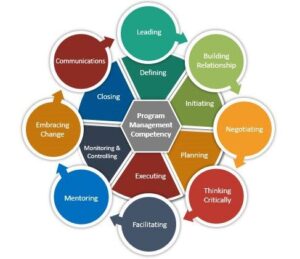
What the Top Project Management Programs in Nigeria Actually Teach You
The strongest project management programs in Nigeria build three layers of competence, not just one:
- Technical knowledge — scoping a project, building a timeline, managing a budget, and using tools like Trello, Asana, Jira or Microsoft Project.
- Methodology fluency — understanding Agile, Scrum, Waterfall, and PRINCE2, and knowing when each applies.
- Soft skills under pressure — stakeholder communication, conflict resolution, and decision-making when a project starts to slip.
Many courses that market themselves among the top project management programs in Nigeria focus almost entirely on the first layer. That’s a large part of why some certified project managers still struggle in their first real role — they know the theory but haven’t practiced running an actual project from kickoff to delivery.
Why Project Management Is a Growing Career Path in Nigeria
Nigerian employers across construction, telecoms, logistics, tech startups and NGOs increasingly need people who can own a project end-to-end. Remote and hybrid work has also opened international project management roles to Nigerians who can demonstrate real capability — which is part of why interest in the top project management programs in Nigeria keeps climbing year over year.
What to Look for When Comparing Programs
Before ranking any program among the top project management programs in Nigeria, check it against these four things:
Practical, project-based learning
Look for programs where you actually plan and run a project even a simulated one rather than only studying case studies.
Recognized certifications vs. skills-based training
Certifications like PMP and CAPM from the Project Management Institute carry global recognition, but PMP requires documented project hours, and both are exam-heavy with limited hands-on practice. Skills-based training focuses on building your ability to actually do the job, which matters more if you’re starting without prior project experience.
Mentorship and career support
A program with CV review, interview preparation and job application guidance shortens the gap between finishing a course and getting hired.
Cohort vs. one-on-one learning
Cohort learning offers peer interaction and shared momentum. One-on-one learning offers pacing tailored to your background and direct feedback on your specific weak points.
Types of Programs You’ll Find Among the Top Project Management Programs in Nigeria
University and postgraduate diploma programs
Thorough but time-intensive (often a year or more), and generally more theoretical than practical.
Global certification-prep courses (PMP, CAPM, PRINCE2)
Best suited to people who already have project experience and want formal validation, not to complete beginners.
Practical, career-focused training schools
Prioritize hands-on project work, portfolio building and job readiness over exam preparation — usually the better fit for beginners and career-changers.
Free and low-cost online options
Useful for exploring the field, but they rarely include the mentorship or job-readiness support that turns knowledge into an actual offer.
How Potenmunia Tech School Fits Among the Top Project Management Programs in Nigeria
At Potenmunia Tech School in Port Harcourt, project management training is built around the idea that you should leave able to run a project, not just describe one. Each learner is paired with a dedicated instructor, so the pace and focus adjust to your background — someone moving from an admin role works through different examples than someone from a technical field.
Sessions are hands-on rather than lecture-first: learners work through real project scenarios, practice using tools like Trello and Asana, and build a portfolio piece that demonstrates their planning and execution skills to employers. The program includes structured interview preparation and CV support, and learners can choose either the one-on-one path or a cohort setting depending on what suits them.
A Simple Framework for Choosing Among the Top Project Management Programs in Nigeria
- Do I already have project experience, or am I starting from zero? If from zero, prioritize practical, project-based training over exam-prep courses.
- Do I need a specific certification for my target role or industry? Check the exact prerequisites (PMP requires documented project hours) before committing time.
- How much individual feedback do I need to build confidence? If you learn best with direct correction, look for one-on-one options.
- Does the program help me get hired, or just help me finish a course? Ask specifically whether CV support, interview prep and job application guidance are included.
Frequently Asked Questions
What makes a program one of the top project management programs in Nigeria?
A combination of hands-on project work, credible methodology training, and real career support — not just a certificate at the end.
Do I need a certification like PMP to work as a project manager in Nigeria?
Not always. Many employers prioritize demonstrated ability over formal certification, particularly for entry-level and mid-level roles.
Can I become a project manager without a technical background?
Yes. Project management is a transferable skill set built on organization, communication and decision-making.
How long does it take to become job-ready in project management?
It varies, but a practical, project-based course focused on job readiness can typically prepare a motivated beginner in a few months.
Is one-on-one training better than cohort-based training?
Neither is universally better — it depends on your learning style and how much individual feedback you need.